
Modern military asset management demands accurate, real-time data to track vehicles, spare parts, and mission-critical supplies. However, numerous defense logistics networks continue to rely on fragmented systems, spreadsheets, and manual inventory counts, which severely delay reporting. Operating with disconnected data in a modern theater creates unacceptable operational risk.
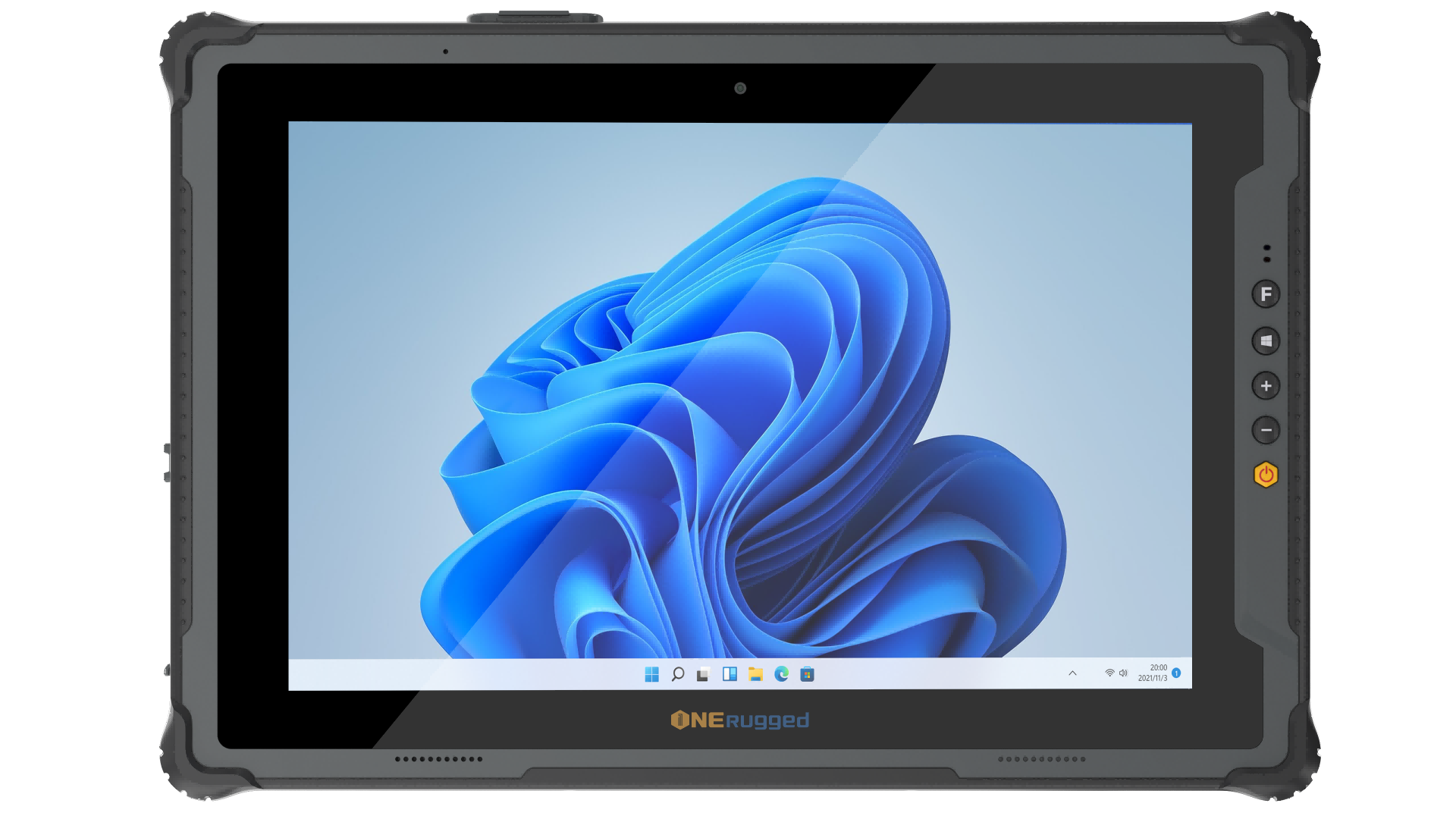
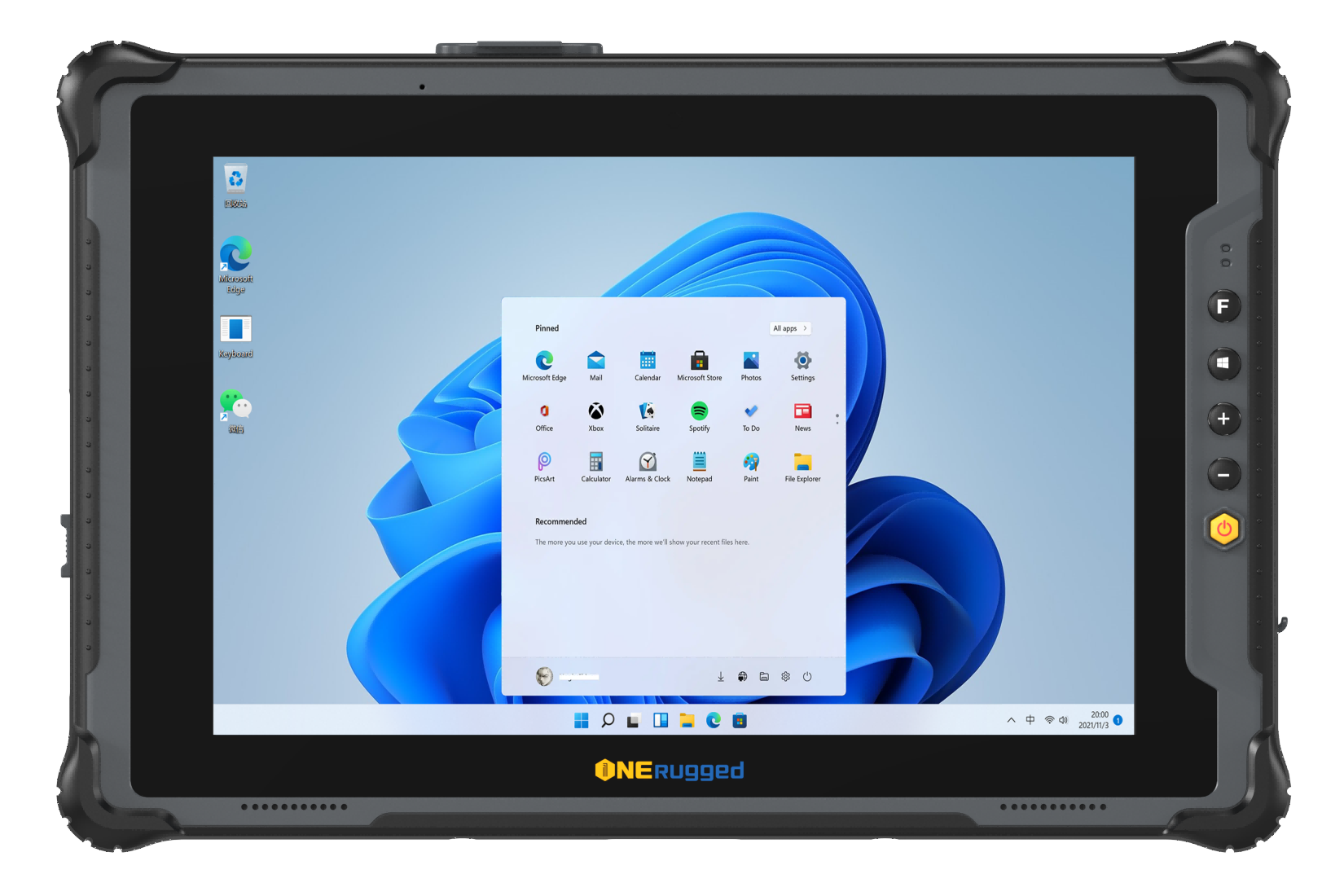
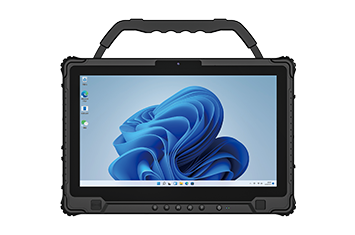
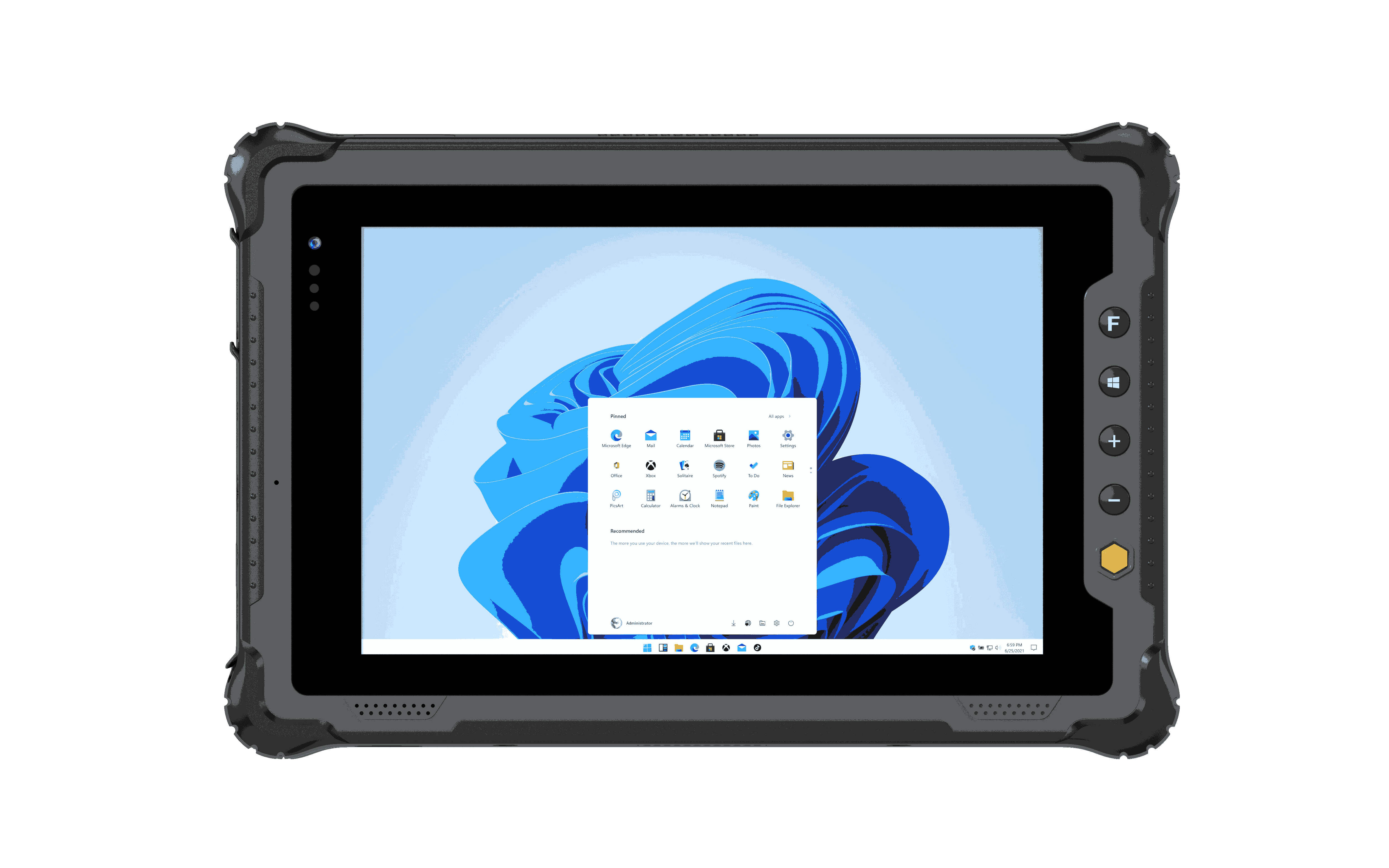
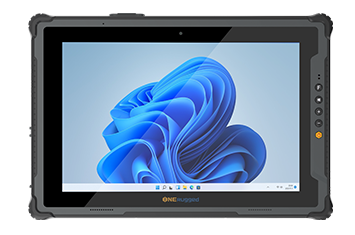
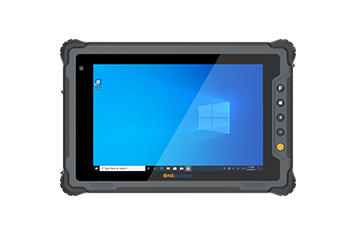
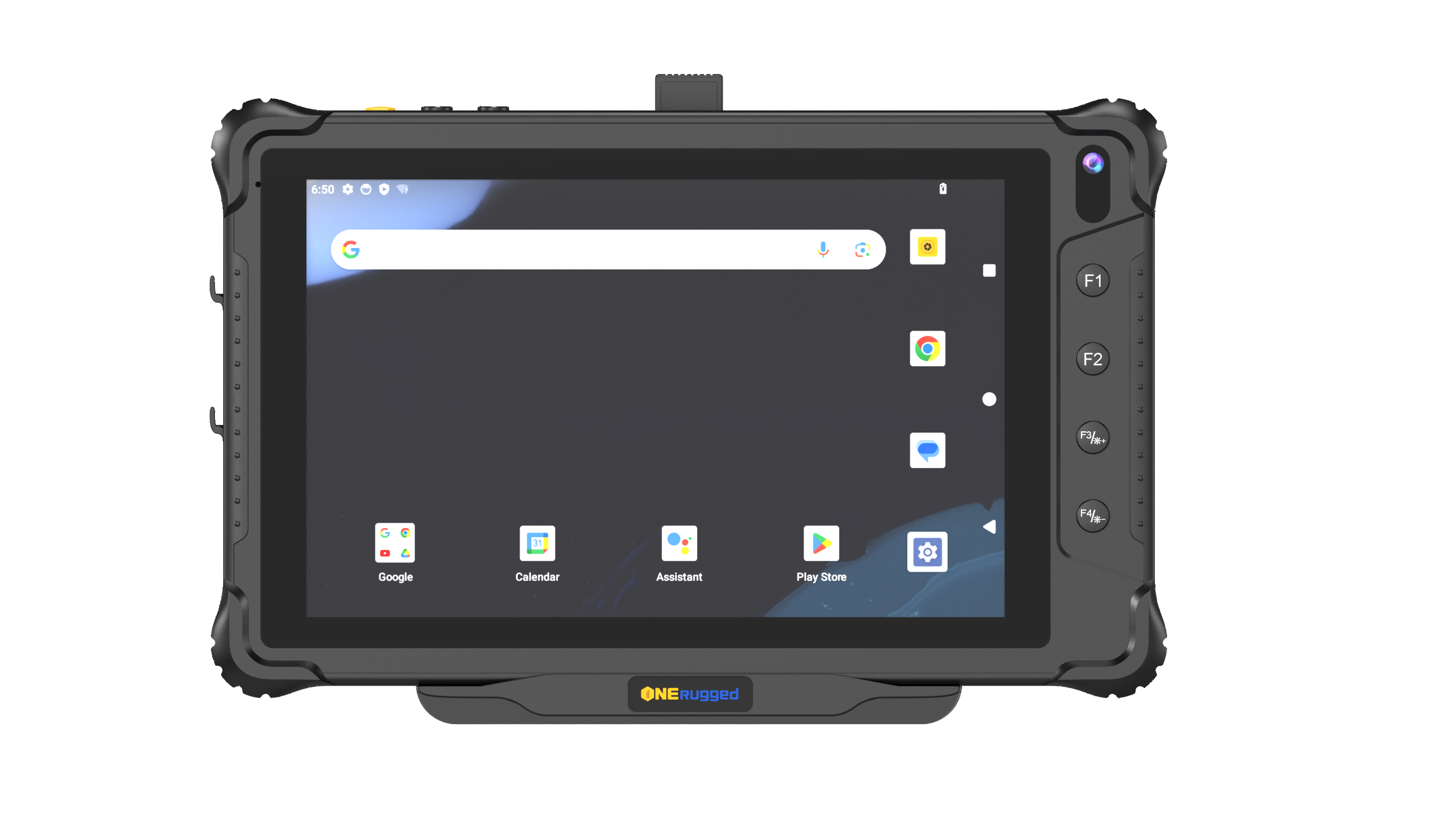
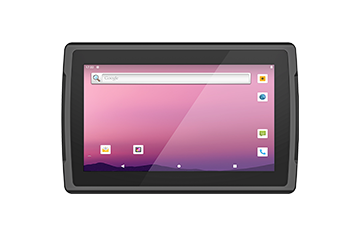
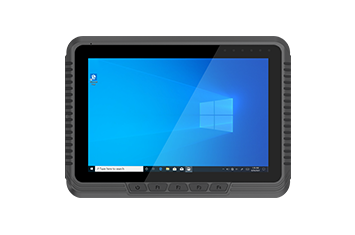
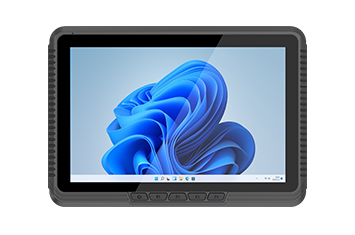
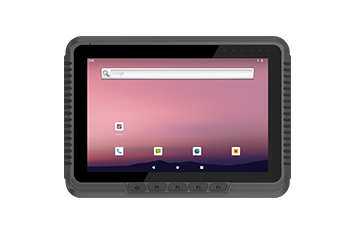
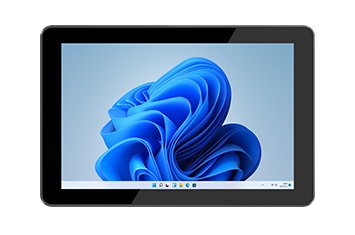
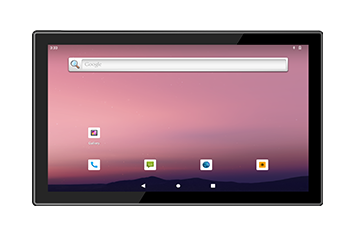
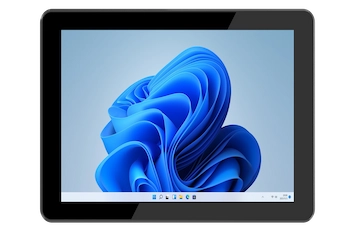
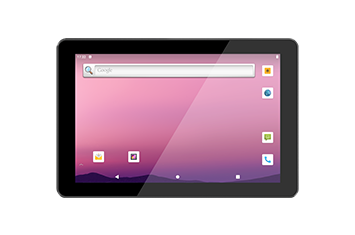
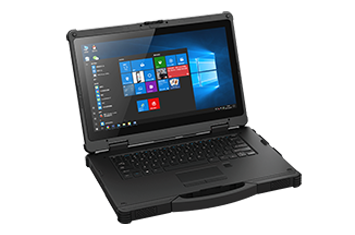
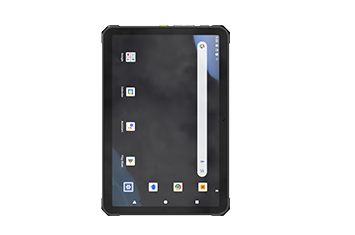
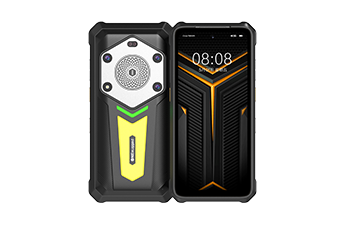
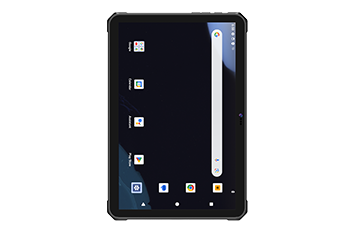
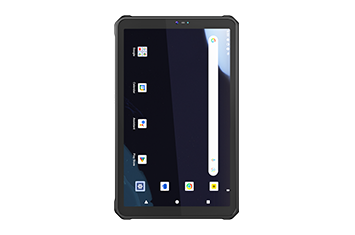
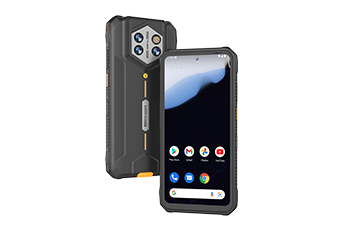
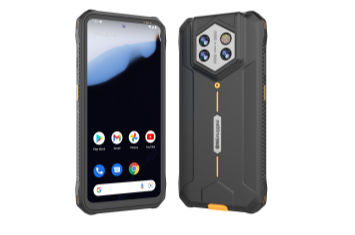
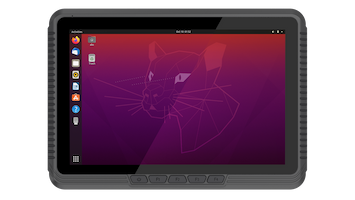
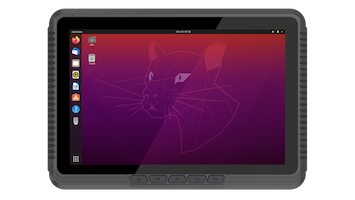
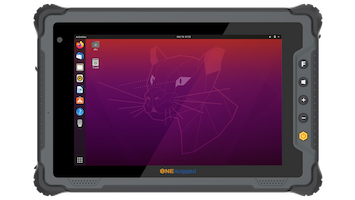
To guarantee real-time situational awareness and eliminate blind spots in the supply chain, defense solution architects are abandoning legacy hardware in favor of the military grade rugged tablet. Engineered as a heavily encrypted tactical mobile computer, these specialized devices bridge the gap between physical battlefield assets and digital command centers, transforming how armed forces maintain operational readiness.
Military asset management requires commanders to know exactly where equipment is located, its current physical condition, its movement trajectory, and its immediate deployment readiness.
When units operate with delayed or disconnected data streams, tactical teams face severe operational consequences:
Incomplete inventory visibility.
Slower asset verification.
Misplaced or untracked equipment.
Delayed maintenance workflows.
Reduced accountability and increased administrative burden.
To counter these vulnerabilities, branches like the U.S. Marine Corps utilize the Marine Corps Platform Integration System (MCPIC) to transform their logistics. This system transmits live RFID data via automatic identification technology and rugged tablets to improve visibility across deployment, maintenance, and distribution workflows.
Standard commercial hardware is not engineered for defense environments such as outdoor staging areas, remote maintenance facilities, or tactical vehicles where devices face continuous vibration, dust, extreme temperatures, and glare.
A true C4ISR mobile device requires uncompromising physical and electrical engineering to survive forward operations:
Kinetic Survivability: The chassis must meet strict MIL-STD-810H standards to guarantee extreme shock and vibration resistance inside armored vehicles or during heavy artillery fire.
Environmental Ingress: Tactical hardware requires IP67 ingress protection combined with a fanless thermal design to prevent corrosive desert dust or marine salt fog from destroying internal motherboards.
Electronic Warfare Defense: Unlike commercial tablets, military hardware must feature strict MIL-STD-461G EMI/EMC compliance, utilizing electromagnetic shielding to prevent enemy SIGINT (Signals Intelligence) units from tracking the device's electrical emissions.
When provisioning hardware for battlefield management systems, procurement officers must recognize the distinct architectural differences between a standard industrial tablet and a dedicated battlefield rugged tablet.
| Specification Category | Commercial Industrial Tablet | Military Grade Rugged Tablet |
| Durability Standard | Standard drop-testing; basic IP65 rating | MIL-STD-810H; IP68 submersible rating |
| Electromagnetic Profile | Unshielded; vulnerable to interference | MIL-STD-461G EMI/EMC shielded architecture |
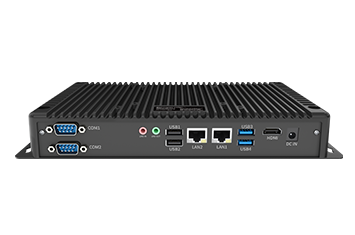
| Physical I/O Interfaces | Standard commercial USB-C and RJ45 | MIL-DTL-38999 circular locking connectors |
| Positioning Engine | Standard commercial GPS | High-accuracy SAASM GPS for encrypted targeting |
| Information Security | Basic Windows/Android OS security | FIPS 140-2 compliance, integrated CAC reader |
Data captured during a forward operating base (FOB) deployment is highly classified. A military grade rugged tablet must provide secure, rugged mobile access that allows personnel to capture asset data directly where the work occurs.
To protect this data flow, these devices integrate strict cybersecurity architectures:
Hardware Encryption: Implementation of AES-256 hardware encryption and TPM 2.0 hardware security ensures that locally stored supply metrics remain impenetrable.
Identity Verification: A built-in CAC reader (Common Access Card) enforces multi-factor authentication for all operators before granting network access.
Emergency Sanitization: In the event of an imminent base overrun, a physical zeroization button allows commanders to instantly wipe all cryptographic keys and firmware via a secure boot overwrite.
Deploying RFID-enabled workflows fundamentally changes how military teams manage inventory, transitioning from slow manual processes to transmitting asset data in real-time.
Deploying these mobile computing tools across defense telematics and supply depots yields immediate tactical benefits:
Faster inventory counts and real-time location tracking.
Enhanced chain-of-custody visibility and accurate deployment readiness data.
Stronger audit support and improved team coordination.
Reduced manual entry errors and faster operational decision-making.
MIL-STD-810H focuses exclusively on the mechanical and environmental survivability of the hardware, testing its resistance to drops, thermal shock, water ingress, and kinetic vibration. Conversely, MIL-STD-461G is an electrical engineering standard that ensures the device does not emit detectable electromagnetic frequencies (preventing enemy tracking) and is hardened against external electromagnetic interference from friendly radar and radio arrays.
Commercial USB and Ethernet ports physically disconnect under the violent shaking of a tactical vehicle or helicopter. MIL-DTL-38999 circular connectors utilize a threaded, locking metal shell that guarantees continuous power and data transmission regardless of heavy vibration, mud, or water submersion.
A Common Access Card (CAC) reader is natively integrated into the tablet's chassis, rather than functioning as a fragile USB dongle. This allows defense IT administrators to enforce strict identity protocols via Mobile Device Management (MDM) platforms, ensuring only authorized personnel can access the tactical command and control network.
Asset management directly dictates mission readiness; operations inevitably stall when teams cannot locate equipment or trust their inventory data. For defense organizations aiming to modernize their logistics and supply chain visibility, deploying rugged mobility is a strategic data imperative, not merely a convenience.
To secure your logistics pipelines and ensure multi-domain operational superiority, explore Onerugged's specialized ecosystem of defense-grade hardware. By integrating strict cryptographic security with uncompromising physical durability, Onerugged solutions provide commanders with the reliable, real-time intelligence required to maintain absolute battlefield dominance.
Discover Onerugged’s rugged computing solutions, enterprise deployment services, industrial application cases, and customized mobility strategies for warehouse, manufacturing, logistics, and field operations.