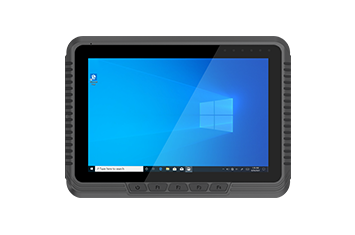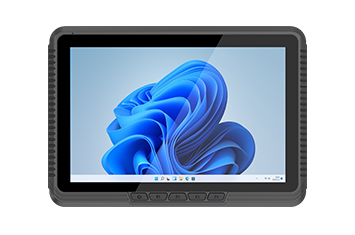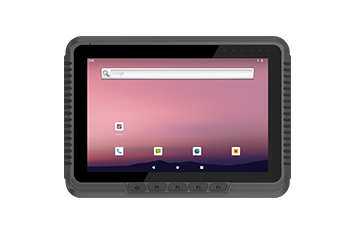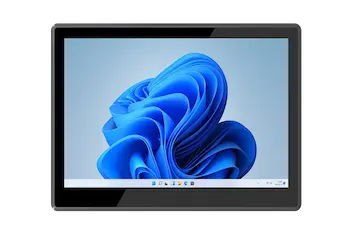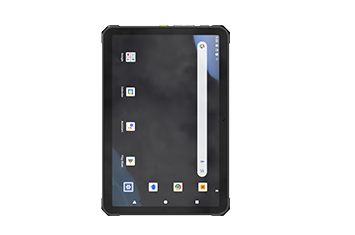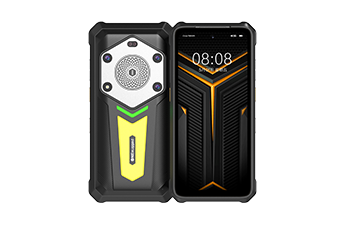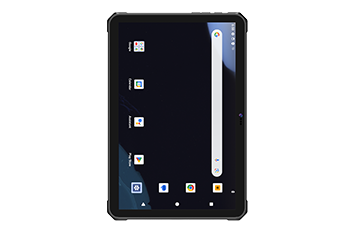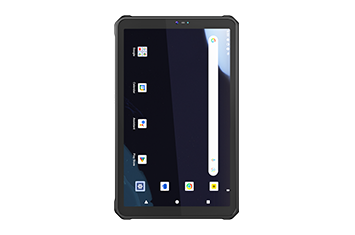

As modern vehicles evolve into highly complex, rolling data centers, the traditional automotive maintenance model is rapidly approaching obsolescence. Today’s technicians are no longer just mechanics; they are data analysts who require continuous access to complex vehicle telemetry, proprietary wiring schematics, and secure cloud networks.
Relying on fragile consumer laptops or proprietary, single-purpose scan tools creates severe workflow bottlenecks. To guarantee diagnostic accuracy and accelerate repair times, industrial solution architects and fleet managers are standardizing on the rugged tablet for vehicle diagnostics. Serving as a versatile, heavy-duty vehicle-mounted computer, these enterprise-grade devices provide the processing power to run OEM software natively while surviving the severe mechanical stress of the modern workshop.
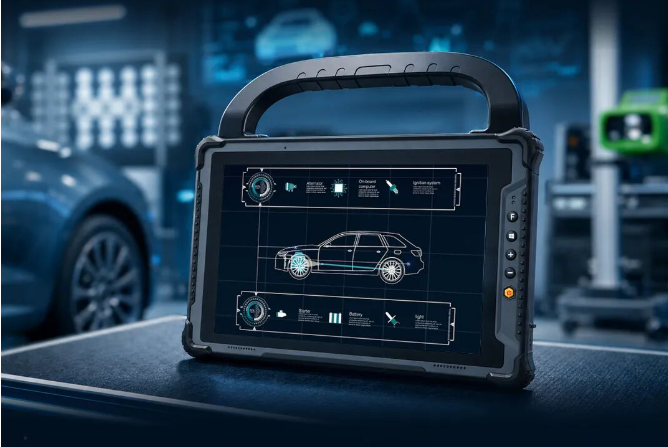
Deploying standard commercial hardware into a mechanic's bay or an outdoor motorpool is an operational liability. A standard laptop simply lacks the environmental and electrical engineering required for heavy industrial use.
Kinetic and Chemical Vulnerability: Consumer chassis crack under minor impacts and lack IP65 ingress protection, allowing corrosive brake fluid, oil, and metal dust to destroy the internal motherboard.
Power Instability: A common pain point is severe tablet battery drain during vehicle testing. Consumer devices cannot survive a full 12-hour shift of continuous screen-on time, leading to unexpected shutdowns during critical firmware flashes.
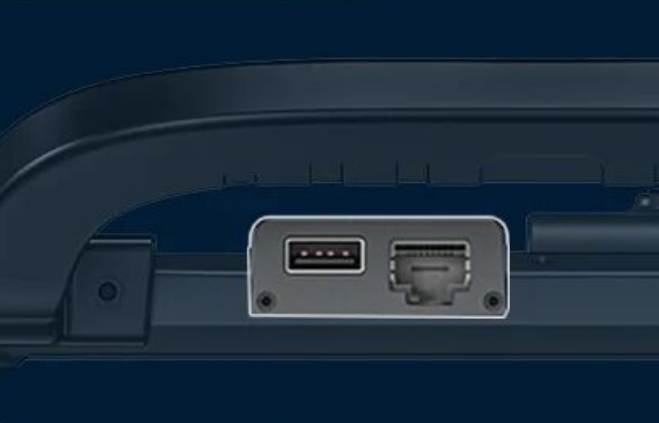
I/O Degradation: Standard USB ports degrade quickly, resulting in loose diagnostic cables in workshop environments. This physical disconnection during data logging corrupts diagnostic files and wastes valuable labor hours.
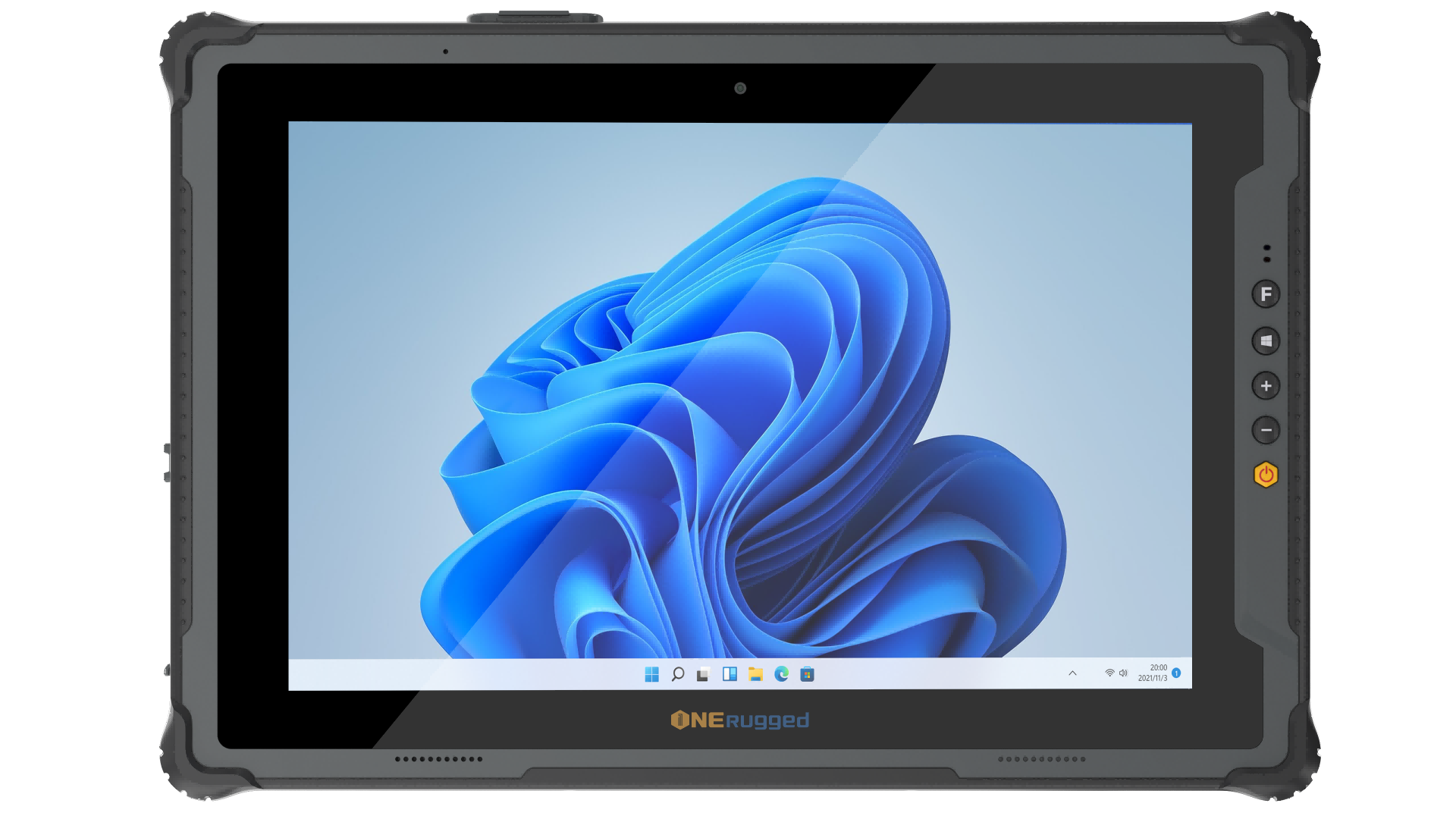
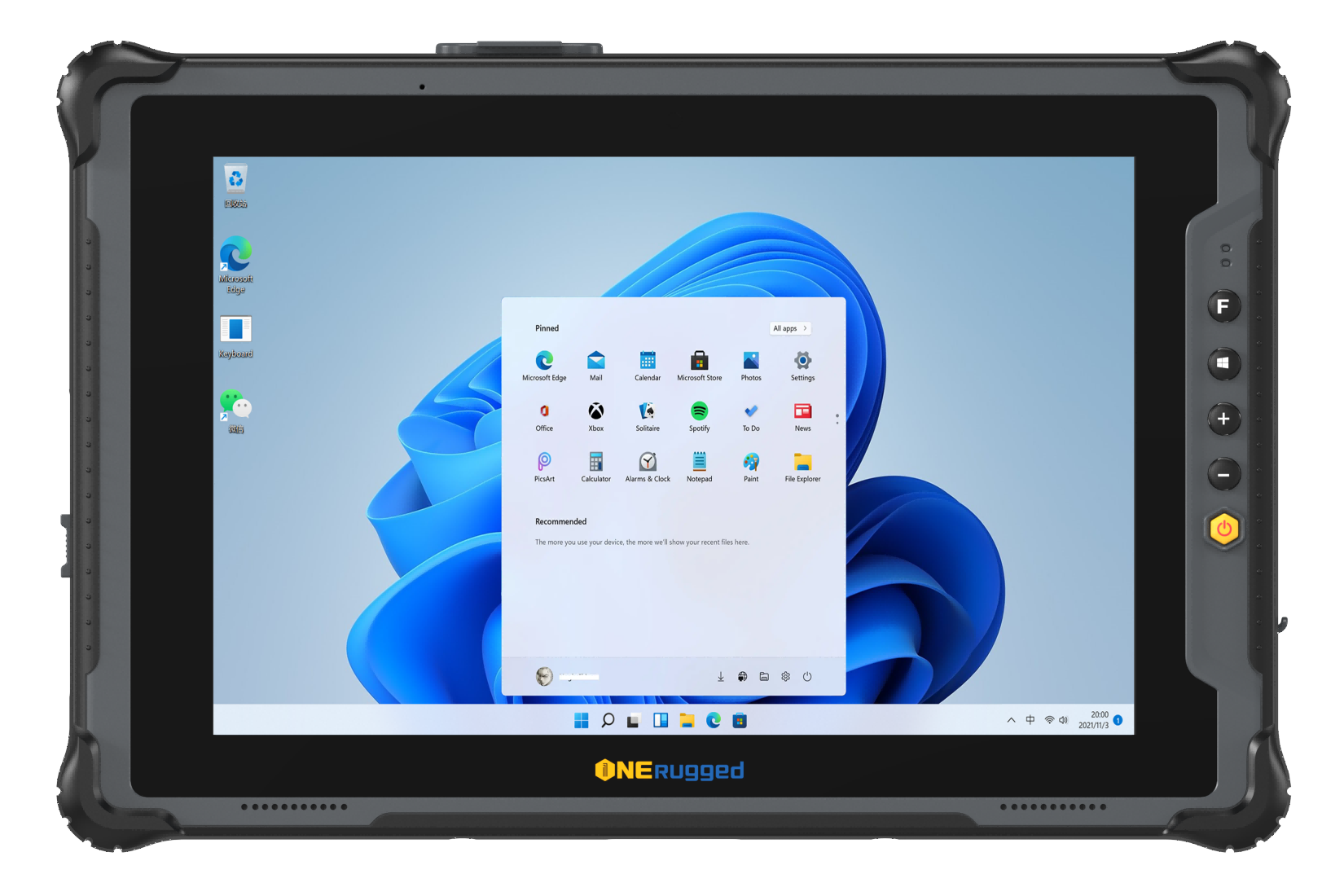
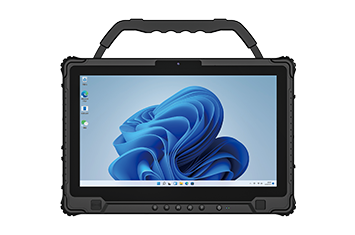
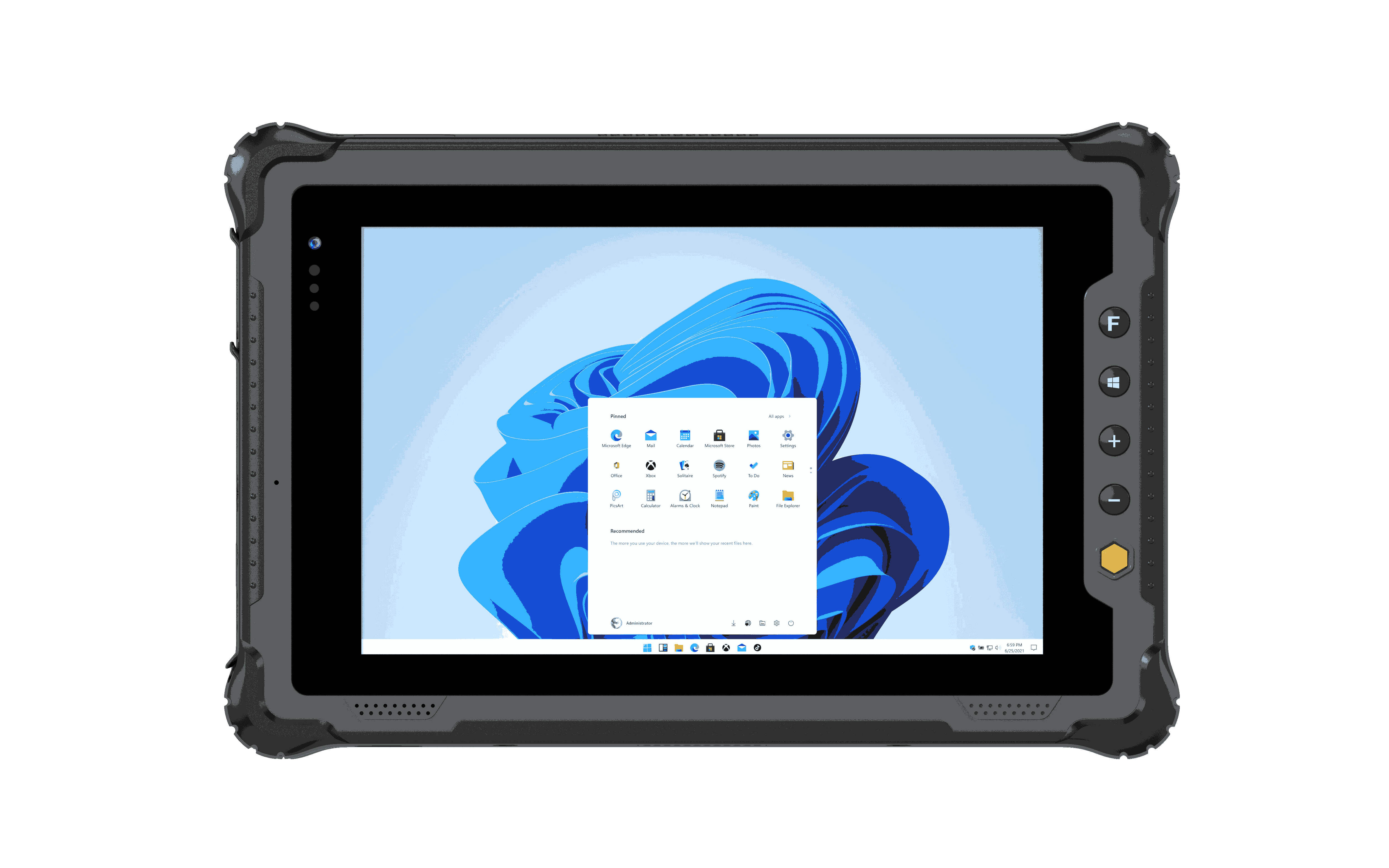
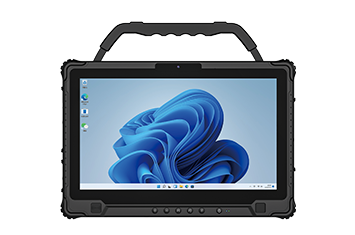
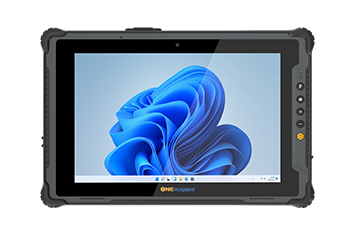
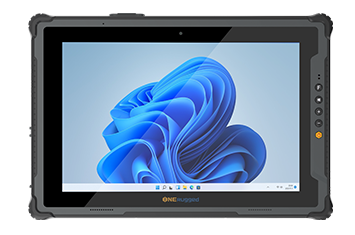
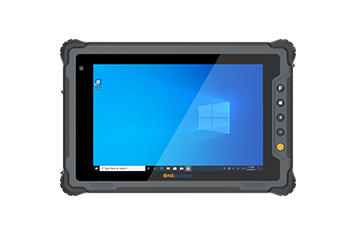
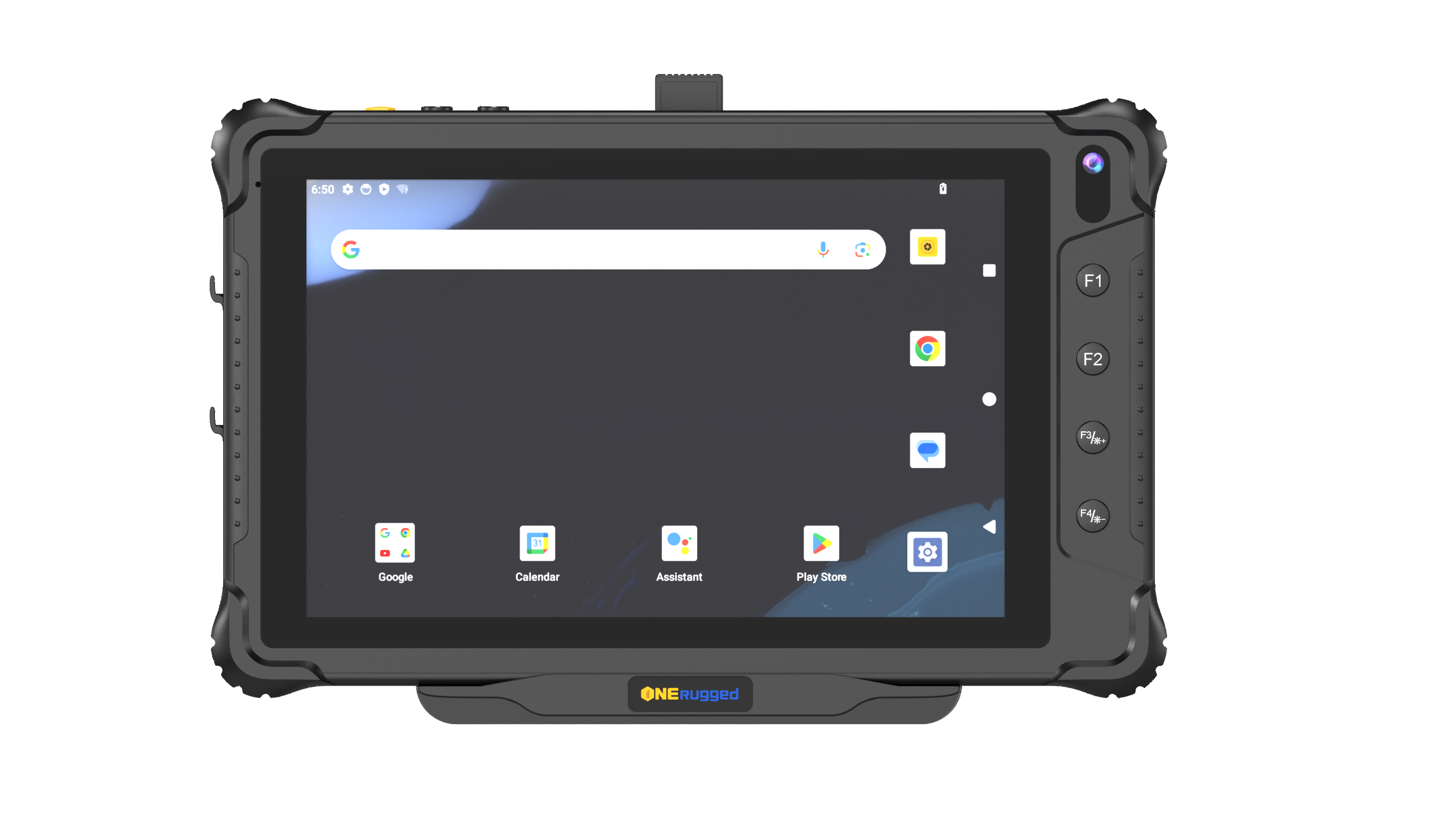
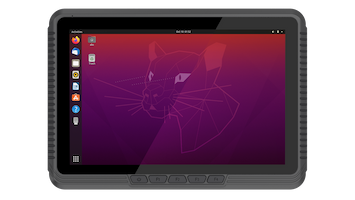
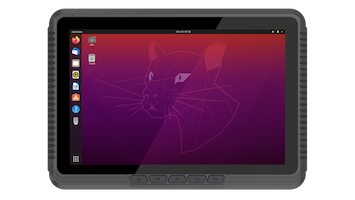
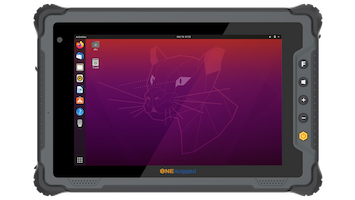
A purpose-built automotive diagnostic tablet M10A-VDS is engineered from the motherboard outward to interface seamlessly with complex vehicle networks. When evaluating hardware for fleet telematics and diagnostic deployment, procurement teams must prioritize the following technical capabilities:
To function effectively, a diagnostic tablet must interface flawlessly with a Vehicle Communication Interface (VCI). The hardware must support deep integration with OBD-II networks for standard passenger vehicles, while also accommodating heavy-duty protocols like SAE J1939 and ISO 14229 (UDS). Support for modern high-speed networks, including CAN 2.0 and CAN FD, is absolutely mandatory for interacting with late-model vehicle architectures.
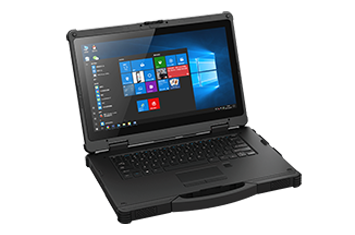
An effective mechanic rugged tablet must pass strict MIL-STD-810H testing to survive continuous drops onto concrete floors. Furthermore, an internal fanless thermal design is highly recommended to prevent the cooling system from sucking ambient oil and exhaust particulate across the motherboard.
Firmware updates and ECU programming can take hours. To prevent catastrophic power loss during a flash, true industrial tablets utilize a hot-swappable battery architecture. By bridging the power supply with an internal backup cell, technicians can exchange depleted main batteries without shutting down the operating system or breaking the vehicle connection. For in-vehicle testing, support for 9-36V wide voltage input and ignition sensing protects the tablet from sudden alternator voltage spikes.
When evaluating the Total Cost of Ownership (TCO), the high failure rate of consumer hardware drastically outweighs its lower initial purchase price.
| Feature Specification | Industrial Diagnostic Tablet | Standard Consumer Laptop |
| Environmental Sealing | IP65 rated; impervious to oil, dust, and water jets. | Unsealed; cooling fans ingest workshop particulate. |
| Durability Standard | MIL-STD-810H; certified 1.22-meter drop resistance. | Fragile plastic/aluminum chassis; vulnerable to drops. |
| Power Continuity | Dual-battery system with hot-swap capabilities. | Sealed internal battery; requires wall tethering to recharge. |
| Operational Interface | 700 nits high-brightness touchscreen with physical shortcut keys. | 300 nits screen; highly susceptible to glare; requires a clean keyboard. |
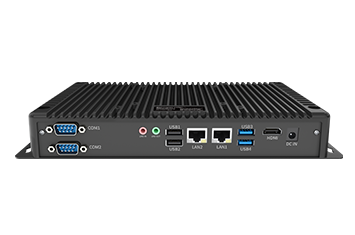
| Peripheral Integration | Native RJ45, RS232, built-in barcode scanner, and rugged VCI pairing. | Limited standard USB ports requiring fragile dongles. |
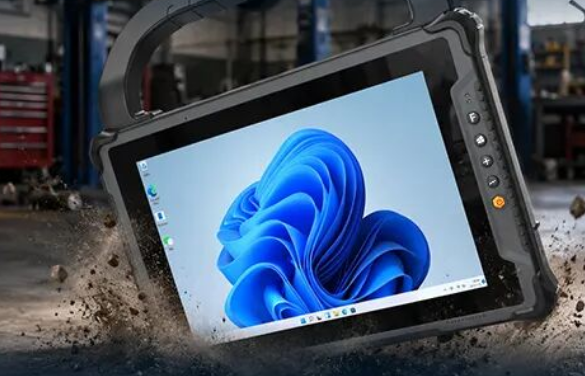
By transitioning to an enterprise-grade diagnostic tablet, workshops unlock advanced functional capabilities that directly reduce vehicle downtime:
Zero-Lag Data Processing: Executing complex tasks like DPF (Diesel Particulate Filter) regeneration or active bi-directional testing requires heavy processing power. Utilizing modern 12th Gen Intel Core processors ensures software runs flawlessly without UI hesitation.
Real-Time Data Streaming: Whether executing rapid fault code (DTC) clearing or conducting comprehensive live data monitoring, integrated Wi-Fi 6 and 4G LTE modules allow technicians to instantly reference OEM cloud databases and push automatic fault code reporting directly to the shop's management system.
Ergonomic Deployment: Modern tablets adapt to the technician's workflow. They can be suspended from a steering wheel via custom handle designs for stationary in-cab work, or paired wirelessly with a VCI module, allowing the technician to perform mobile emission testing and walk around the vehicle freely.
For enterprises seeking an uncompromising solution for their diagnostic operations, ONERugged delivers a heavily integrated, deployment-ready hardware platform. The ONERugged vehicle diagnostic tablet is explicitly designed to bridge the gap between heavy-duty hardware and complex automotive software.
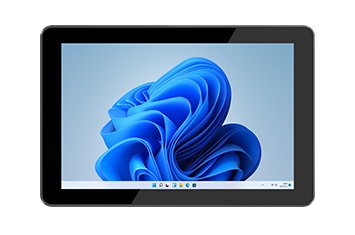
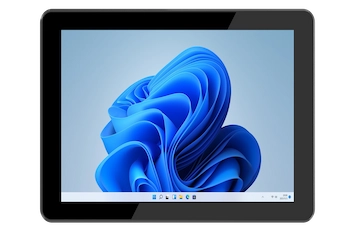
Powered by Intel 12th Gen Core i5/i7 processors and running Windows 11 IoT Enterprise, the ONERugged tablet easily handles multiple OEM diagnostic suites simultaneously. It solves the industry's power crisis through a dual-battery architecture (9800mAh primary + 860mAh bridge), delivering over 12 hours of continuous operation with full hot-swap capability.
Beyond raw performance, ONERugged prioritizes enterprise IT integration. With TPM 2.0 hardware security, secure boot protocols, and native fingerprint recognition, the device complies with the strictest IT standards. Compatibility with top-tier Mobile Device Management (MDM) platforms allows fleet administrators to push software updates, lock down unauthorized applications, and ensure seamless cloud telematics integration.
OBD-II (On-Board Diagnostics II) is the standardized protocol used primarily for passenger cars and light commercial vehicles (12V systems), focusing heavily on emissions data. SAE J1939 is the higher-level CAN bus rugged tablet protocol standard for heavy-duty commercial trucks, buses, and agricultural machinery diagnostics (24V systems), governing complex interactions between the engine, transmission, and braking systems.
The best tablet for a mechanic is one that balances robust computing power (Intel Core i5/i7) with industrial survivability. It must feature an IP65 rating to survive oil and dust, an ultra-bright display (700+ nits) for outdoor visibility, and a hot-swappable battery to ensure the device never dies mid-shift.
Modern diagnostic tablets utilize secure Bluetooth 5.1 or Wi-Fi to connect to a specialized VCI (Vehicle Communication Interface) dongle plugged directly into the OBD port. This wireless "Mobile Mode" severs the physical tether between the tablet and the dashboard, entirely eliminating the risk of cable disconnection while the mechanic works under the hood.
Reading heavy-duty fault codes requires a heavy-duty diagnostic tablet equipped with specialized software and a VCI capable of interpreting SAE J1939, J1708, and DoIP protocols. These devices connect via specialized 9-pin or 6-pin Deutsch connectors rather than the standard 16-pin OBD-II port.
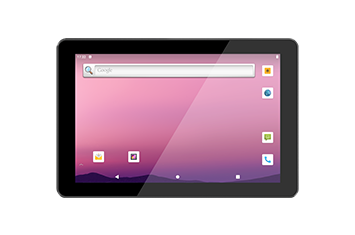
Yes. Enterprise diagnostic tablets running Windows 11 IoT Enterprise or Android can easily integrate a custom fleet management platform API. This allows the tablet to transmit real-time driver performance scoring, GPS telemetry, and immediate fault code alerts directly to the central dispatch office, enabling proactive predictive maintenance across the entire fleet.
In the high-stakes environment of modern fleet management and automotive repair, relying on subpar computing hardware directly impacts your bottom line. Transitioning your workshop to purpose-built industrial hardware eliminates costly diagnostic latency, protects critical vehicle data, and empowers your technicians to execute faster, more accurate repairs.
Explore how the ONERugged vehicle diagnostic tablet can future-proof your service bays, streamline your telematics pipelines, and serve as the ultimate digital tool for your mobile workforce.
Discover Onerugged’s rugged computing solutions, enterprise deployment services, industrial application cases, and customized mobility strategies for warehouse, manufacturing, logistics, and field operations.