
Global supply chains are experiencing unprecedented strain. Over the past decade, the exponential growth in e-commerce and rapid shifts in consumer demand have transformed distribution centers from static storage facilities into high-velocity data hubs. In this environment, relying on legacy paper-based tracking or deploying fragile consumer-grade hardware creates severe operational bottlenecks, resulting in delayed shipments, inaccurate inventory counts, and compromised last-mile delivery.
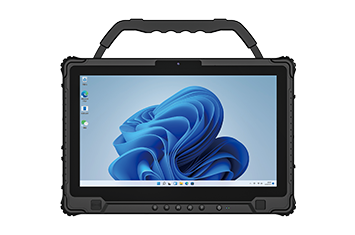
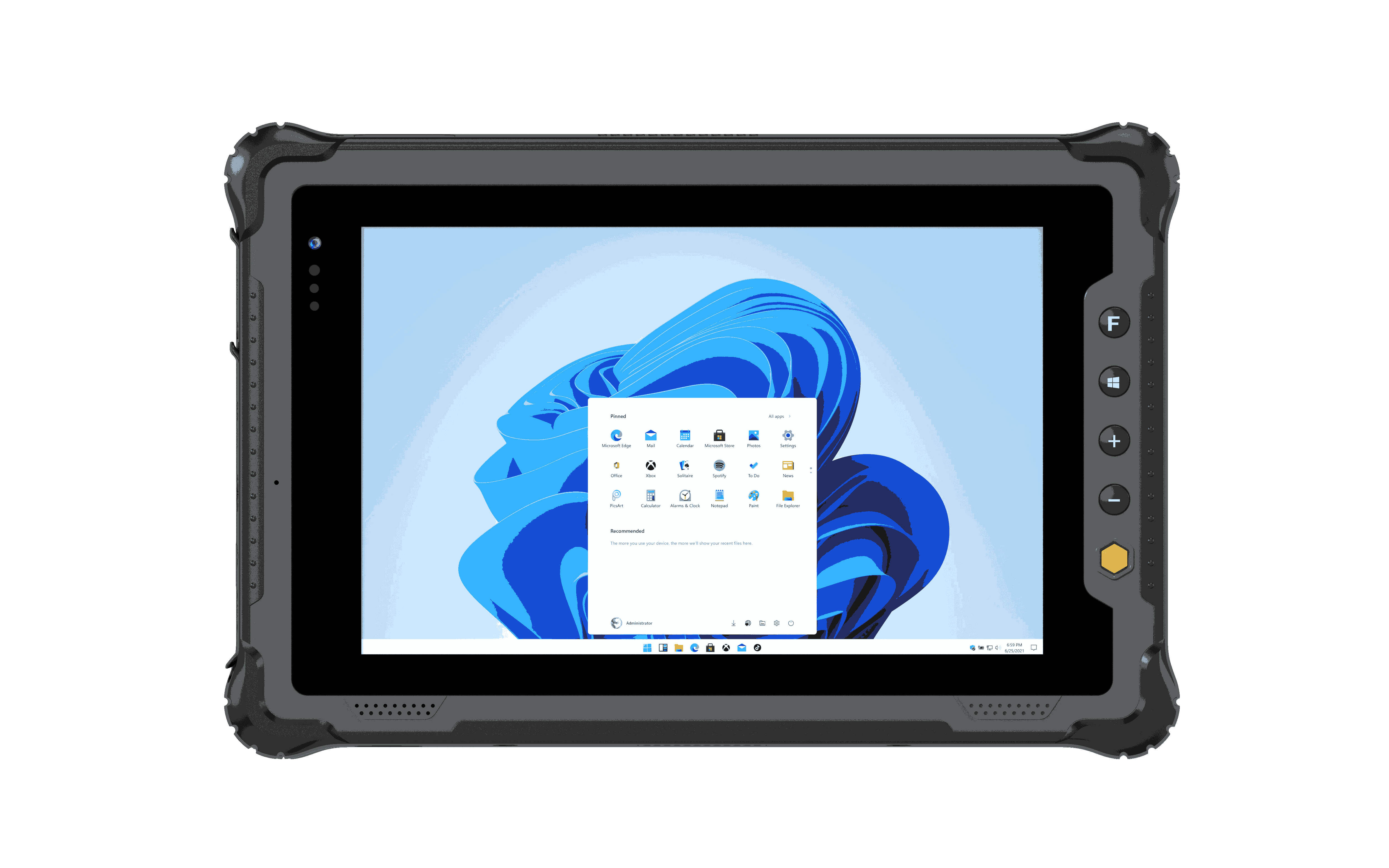
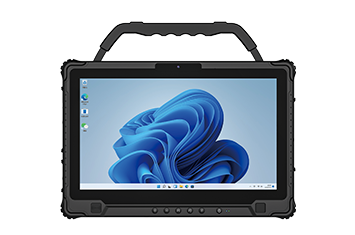
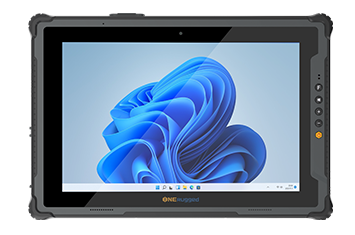
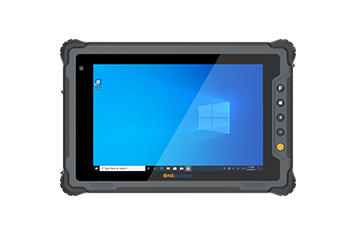
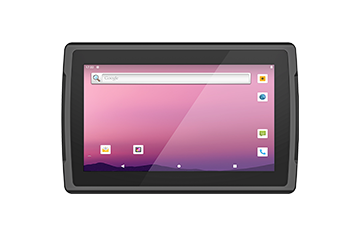
To achieve true supply chain automation, industrial solution architects are standardizing on the rugged tablet for logistics. Operating as a comprehensive enterprise mobility tablet, these specialized computing platforms ensure continuous data synchronization across warehouse logistics, high-speed cross-docking, and complex reverse logistics workflows.
A standard commercial tablet is optimized for climate-controlled indoor environments. When deployed onto a warehouse floor or inside a delivery cab, it inevitably fails under the mechanical stress of heavy industry. Selecting a heavy-duty logistics tablet requires evaluating strict environmental survivability architectures.
Kinetic and Vibration Survivability: Heavy equipment operation generates continuous shockwaves. A true industrial device must feature vibration damping and pass strict MIL-STD-810H testing, guaranteeing a proven 5-foot drop resistance onto concrete to survive accidental drops during high-level order picking.
Particulate Ingress and Thermal Stress: Logistics hardware must transition smoothly from ambient loading docks into sub-zero freezers. A fanless industrial design with strict IP65 ingress protection (or complete IP67 dustproof sealing) protects the motherboard from cardboard dust, while extreme temperature tolerance prevents battery failure and logic board shorting during cold storage logistics.
When calculating Total Cost of Ownership (TCO), enterprise IT directors quickly find that the high failure rates and peripheral dependencies of consumer hardware vastly outweigh their lower initial purchase price.
| Feature Specification | Supply Chain Mobile Computer (Industrial) | Standard Consumer Tablet |
|---|---|---|
| Power Architecture | Continuous uptime via hot-swappable battery systems. | Sealed internal battery; requires device shutdown for charging. |
| Data Capture | Integrated 2D barcode scanning & UHF RFID reader support. | Software-based camera autofocus (slow, fails in low light). |
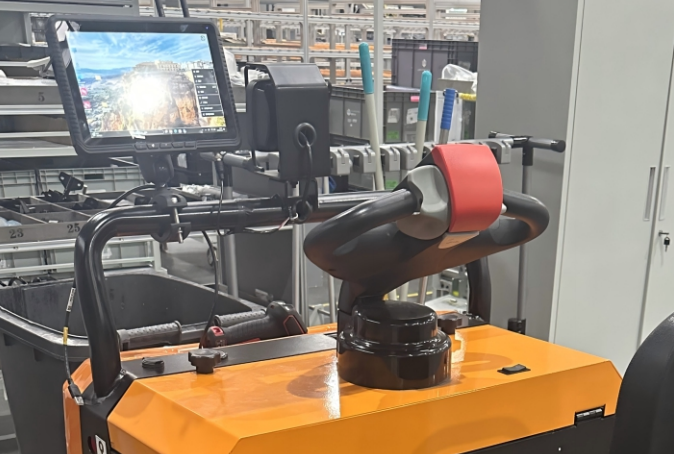
| Deployment Versatility | Functions as a handheld or a docked vehicle mount computer. | Requires fragile third-party dashboard mounts. |
| Enterprise Security | TPM 2.0 hardware security, deep SOTI MobiControl integration. | Basic consumer OS security; limited MDM lockdown capabilities. |
To eliminate latency in supply chain decision-making, a rugged logistics tablet must natively integrate specialized data capture sub-systems.
For high-density inventory control, utilizing an integrated FlexRange dual-lens imager or a dedicated UHF RFID reader allows warehouse personnel to scan entire pallets instantly. Instead of visually confirming single boxes, RFID reading devices capture batch data as forklifts pass through dock doors, seamlessly updating the warehouse management system (WMS) without manual intervention.
Beyond the warehouse walls, high-accuracy GPS tracking and cellular connectivity empower fleet telematics. Drivers executing last-mile deliveries rely on these tablets for dynamic route optimization, electronic proof of delivery (ePOD), and instant damage reporting via high-resolution integrated cameras.
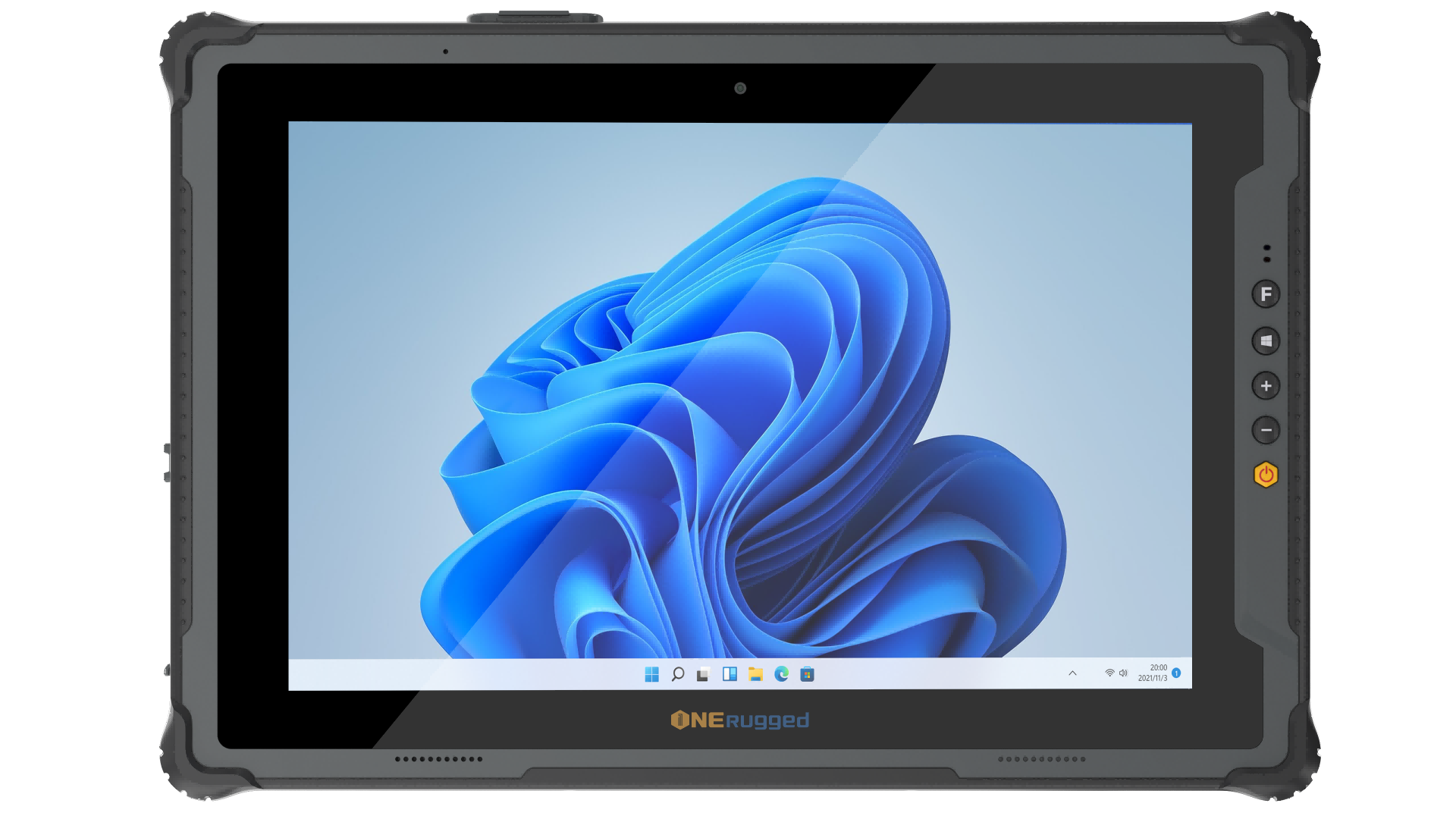
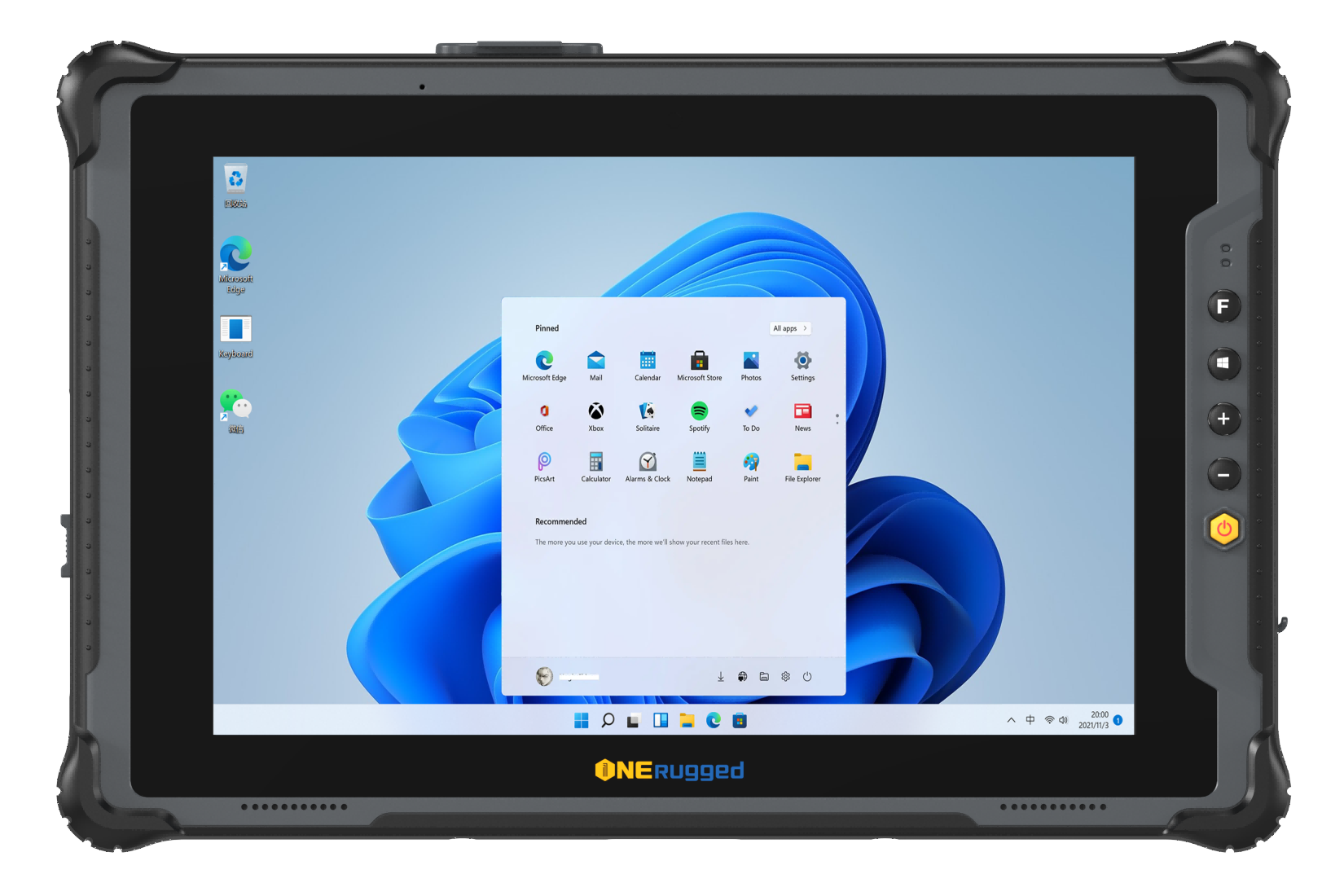
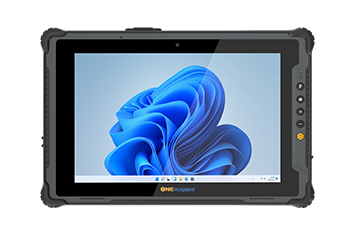
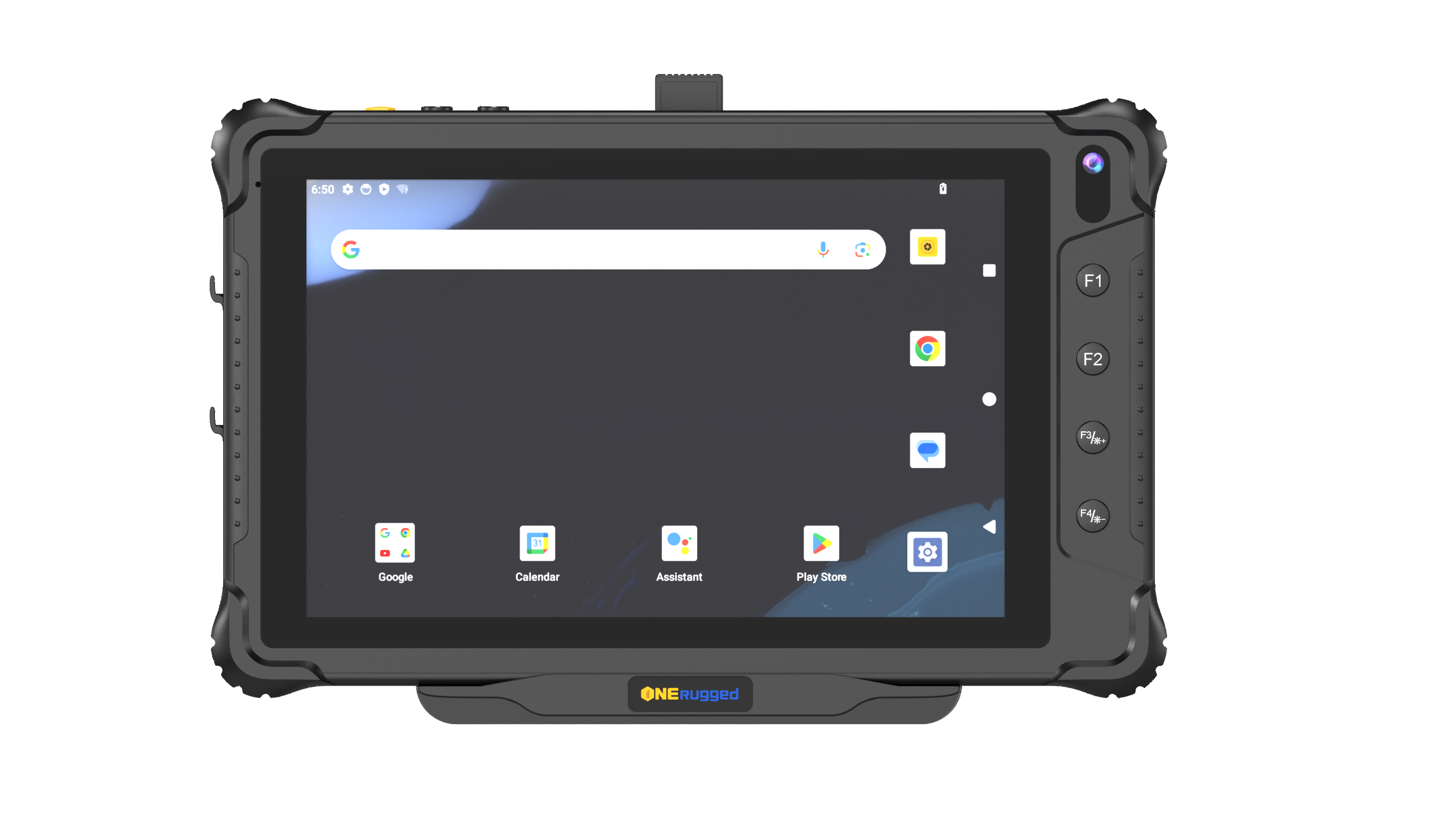
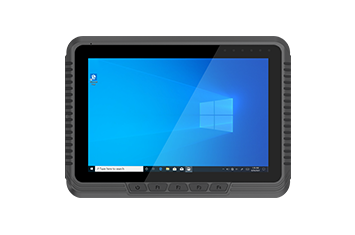
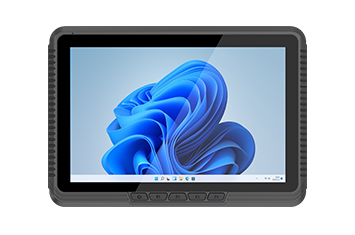
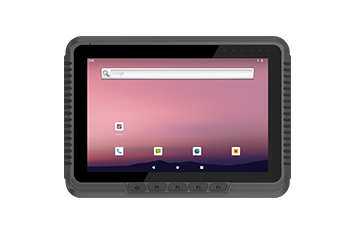
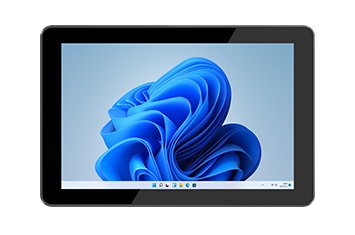
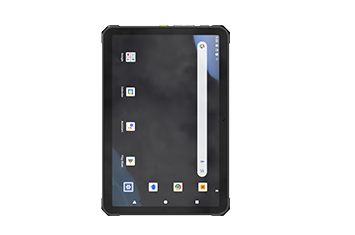
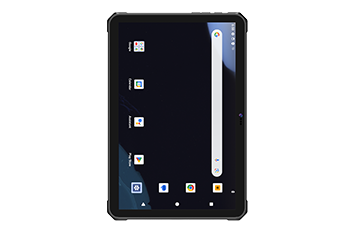
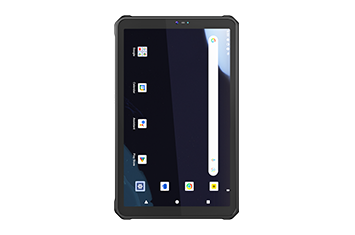
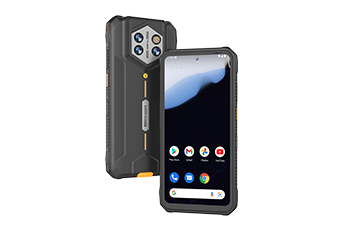
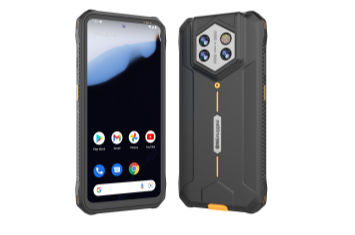
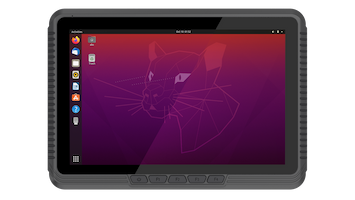
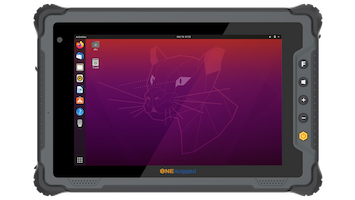
For organizations seeking a highly versatile computing platform to standardize their logistics operations, the Onerugged V10J delivers uncompromising enterprise performance.
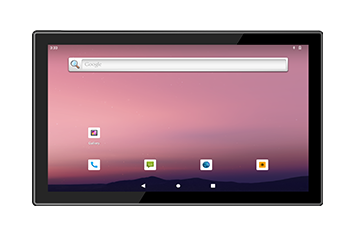
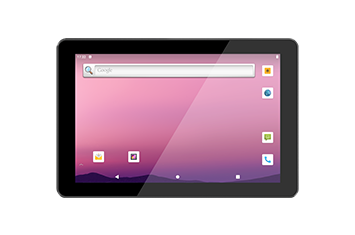
Engineered as a GMS-enabled Android rugged tablet, the V10J is designed for immediate enterprise IT deployment. It provides out-of-the-box compatibility with premier Mobile Device Management suites, ensuring IT administrators can remotely provision devices, execute OTA updates, and monitor battery health across the entire fleet.
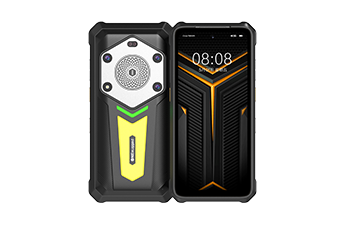
The V10J effortlessly transitions between workflows. It operates as a highly mobile handheld for inventory cycle counts, yet instantly locks into an active, vibration-damped cradle to serve as a forklift mounted tablet or truck-cab terminal. With its robust architecture, hot-swap power design, and deep GMS certification, the V10J eliminates hardware bottlenecks to ensure your supply chain operates at peak efficiency.
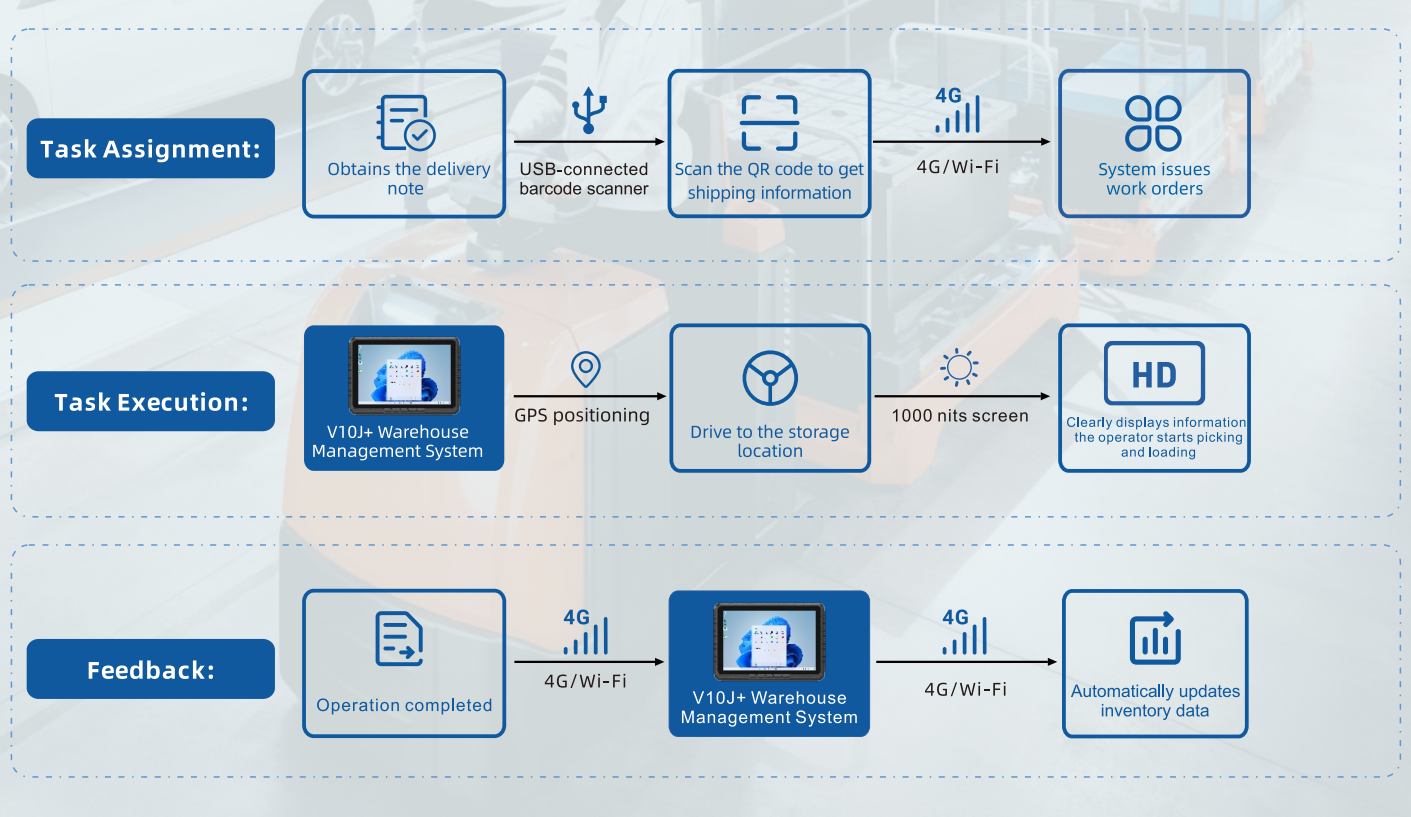
Beyond physical durability, a GMS-enabled Android rugged tablet provides Google Mobile Services certification combined with enterprise-grade firmware. This ensures seamless compatibility with commercial WMS applications, allows deep API access for MDM lockdown (kiosk mode), and guarantees long-term security patch support that consumer tablets abandon after two years.
Edge computing allows the rugged tablet to process complex asset tracking data and barcode decryption locally on its own CPU, rather than sending raw image data to a cloud server and waiting for a response. This zero-lag data processing ensures operators receive instant scanning feedback, drastically increasing the speed of high-volume cross-docking operations.
Android is increasingly dominating warehouse mobility due to its lower power overhead, intuitive touch-first interface, and massive ecosystem of mobile WMS apps. Windows is typically reserved for legacy ERP setups or specialized diagnostics where full desktop parity and legacy software drivers are strictly required.
Standard lithium-ion batteries degrade rapidly in freezing environments. Industrial tablets engineered for cold storage utilize specialized battery chemistry, insulated internal chassis designs, and sometimes integrated screen heaters to maintain optimal voltage output and prevent sudden shutdowns.
As supply chain demands continue to escalate, standardizing your mobile computing hardware is not an option—it is a critical necessity. Transitioning from fragmented legacy devices to a unified industrial platform significantly reduces total cost of ownership while maximizing frontline productivity.
Discover how the Onerugged V10J can serve as the technological backbone of your distribution network, ensuring your logistics operations remain agile, connected, and unstoppable.
Discover Onerugged’s rugged computing solutions, enterprise deployment services, industrial application cases, and customized mobility strategies for warehouse, manufacturing, logistics, and field operations.