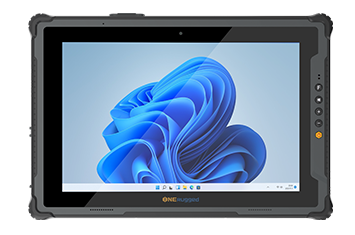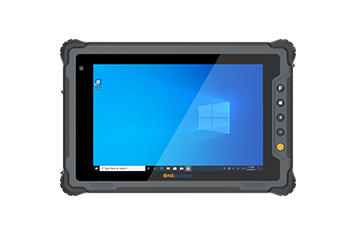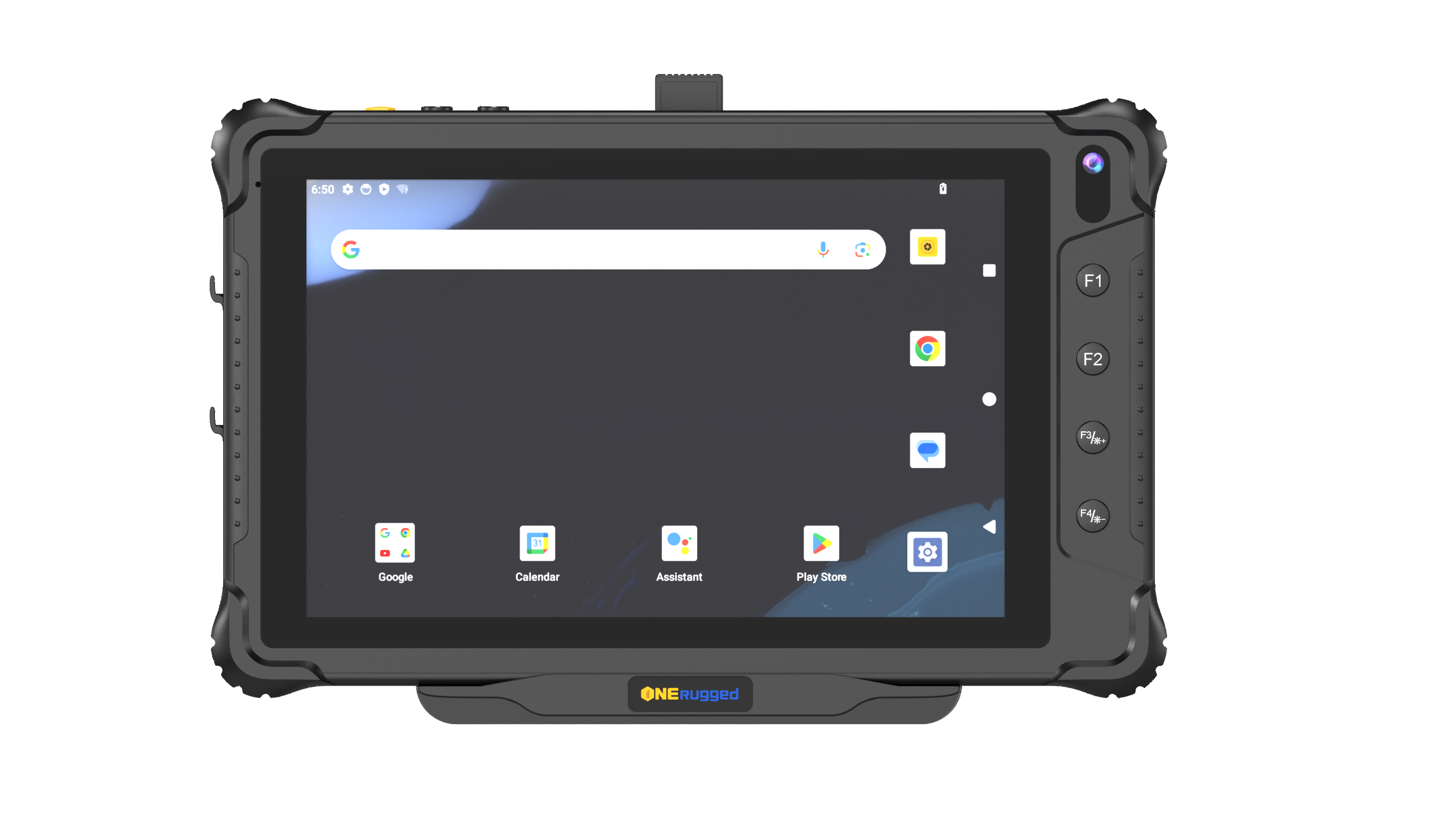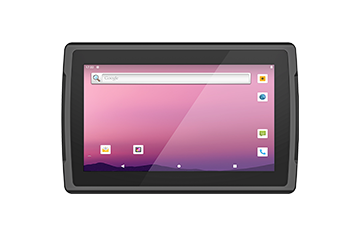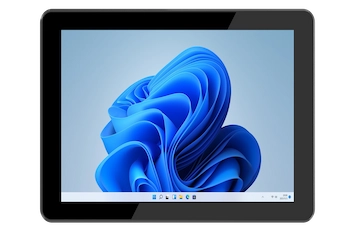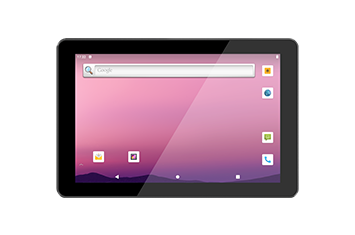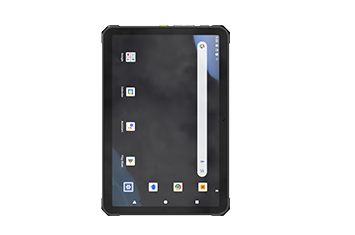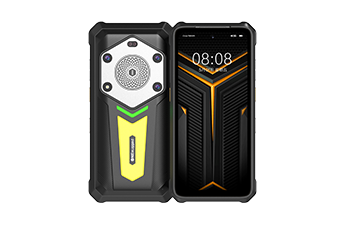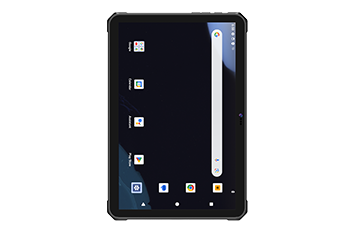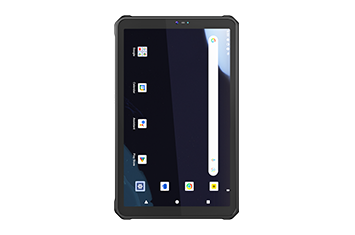

For industrial solution architects and enterprise IT directors, deploying mobile computing hardware into maritime, agricultural, or severe weather environments is a high-risk operational challenge. A standard consumer device, even when marketed as "water-resistant," is fundamentally incapable of surviving continuous exposure to driving rain, saltwater spray, or accidental submersion. When moisture breaches a device's chassis, it causes instantaneous motherboard shorting, devastating data loss, and operational paralysis.
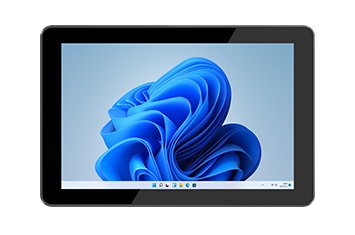
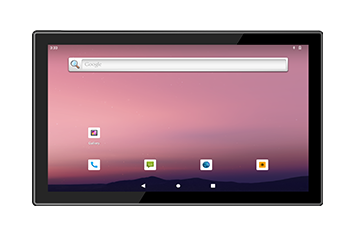
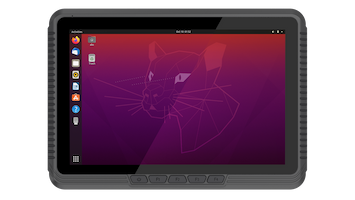
To guarantee continuous uptime deployment in the world’s harshest environments, field engineering teams must transition to a true waterproof rugged tablet. Operating as a specialized all-weather industrial tablet, these devices are engineered from the component level upward to repel fluid ingress, resist internal condensation, and maintain flawless touch sensitivity during torrential downpours.
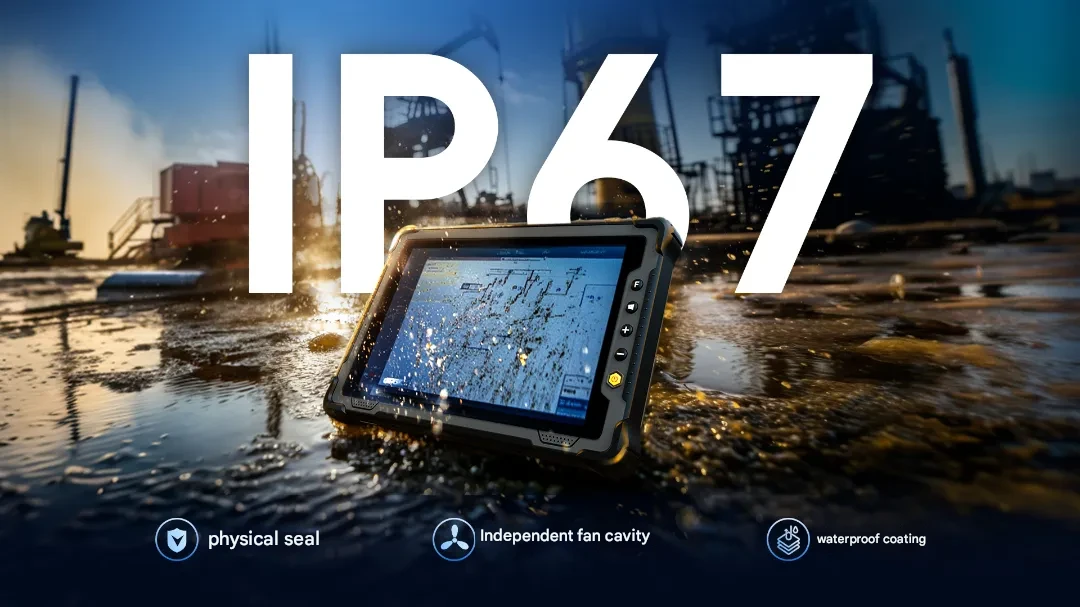
A submersible mobile computer relies on a completely different physical architecture than commercial tablets. True liquid resilience requires eliminating physical vulnerabilities where moisture can penetrate.
When evaluating a heavy-duty outdoor tablet, the Ingress Protection (IP) rating is the definitive metric for fluid survivability. However, misunderstanding these ratings leads to catastrophic hardware failures. Here is how the tiers compare for enterprise deployment:
| Feature Specification | IP65 Tablet (Semi-Rugged) | IP67 Tablet (Fully Rugged) | IP68 Tablet (Submersible) |
|---|---|---|---|
| Water Resistance Level | Protected against low-pressure water jets from any direction. | Protected against temporary submersion (up to 1 meter for 30 minutes). | Protected against continuous submersion (typically 1.5+ meters for 1+ hours). |
| Environmental Application | Light rain, indoor facilities washdowns, covered loading docks. | Heavy storms, muddy construction sites, accidental puddle drops. | Marine logistics, underwater inspections, extreme flooding. |
| Hardware Vulnerability | Will fail if dropped into a body of water. | Will fail if left underwater beyond its designated time limit. | Maximum survivability; highest Total Cost of Ownership (TCO) protection. |
A tablet that survives water is useless if the operator cannot interact with the software. Consumer capacitive screens rely on the electrical conductivity of the human finger; when water droplets hit the screen, the digitizer registers erratic, phantom touches (often referred to as the touchscreen not working in rain phenomenon).
To counter this, a premier waterproof Windows tablet or waterproof Android tablet employs specialized digitizer controllers. Utilizing rain and mist mode touch algorithms, the hardware intelligently filters out the electrical signature of water droplets, ensuring the screen only responds to intentional user input. Furthermore, wet glove tracking ensures that technicians wearing heavy, soaked neoprene or rubber safety gloves can still execute complex data entries without removing their personal protective equipment (PPE).
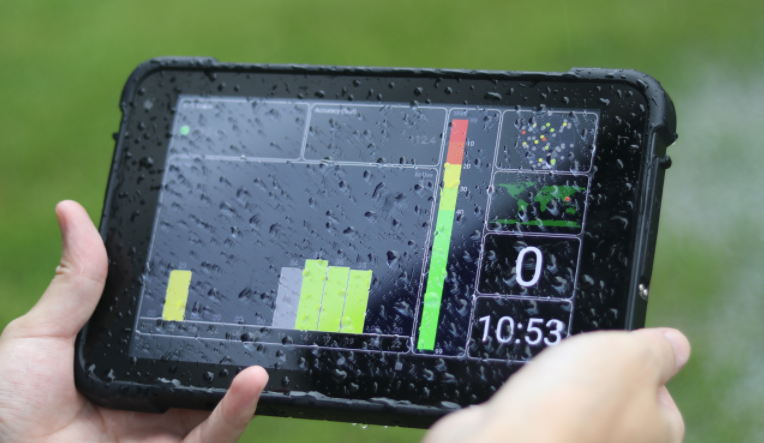
Deploying consumer devices enclosed in aftermarket waterproof cases is a severe operational liability. While cases may temporarily block water, they act as thermal insulators. When subjected to the extreme temperature tolerance required in field work, the trapped heat destroys the battery.
Furthermore, true enterprise mobility requires deep integration. Industrial waterproof tablets feature TPM 2.0 hardware security, secure boot protocols, and comprehensive Mobile Device Management (MDM) capabilities. This allows IT administrators to remotely lock down devices, execute firmware updates, and monitor hardware health across vast geographic deployments—features severely lacking in consumer-grade architecture.
The deployment of IP68 submersible rating hardware is transforming data collection across the most hostile industrial sectors:
Emergency Response & Agriculture Technology: First responders navigating flood zones, or agritech engineers managing irrigation telemetry in the mud, rely on MIL-STD-810H tested hardware to maintain critical communications when all other commercial networks and devices fail.
While an IP67 ingress protection rating guarantees survival in 1 meter of water for 30 minutes, an IP68 rating is defined by the manufacturer but is always superior to IP67. Typically, an IP68 fully rugged tablet can withstand continuous submersion in 1.5 meters (or more) of water for over an hour, making it capable of surviving accidental drops into rivers, flooded trenches, or deep mud.
When a device moves from a cold, air-conditioned vehicle into a hot, humid swamp, the temperature differential causes condensation inside tablet screen layers. Industrial tablets solve this via optical bonding—a manufacturing process that injects a specialized optical resin between the LCD glass and the touch sensor, eliminating the air gap. Without air, condensation cannot form, resulting in perfect condensation resistance.
The best tablet for extreme weather must combine an IP68 rating with an ultra-bright display (1000+ nits), rain-mode capacitive touch, and integrated high-accuracy GNSS. It must also feature physical buttons for critical functions, ensuring that if the touchscreen is completely submerged, the operator can still trigger waypoints or use underwater camera capability.
Yes. By removing the cooling fan, manufacturers eliminate the main entry point for water and dust. Internal heat is instead transferred directly to the device's outer metal chassis. Combined with watertight rubberized gaskets surrounding all I/O ports, the motherboard remains completely isolated from external environmental hazards.
Do not let unpredictable weather or hazardous fluid environments dictate your operational efficiency. Transitioning your field workforce to purpose-built, heavily sealed industrial hardware eliminates costly hardware replacement cycles, secures your proprietary field data, and drastically lowers your long-term Total Cost of Ownership (TCO).
Explore Onerugged's comprehensive ecosystem of waterproof rugged tablets. Engineered for the extremes, Onerugged devices provide the IP68 survivability, advanced wet-touch displays, and seamless enterprise IT integration required to keep your workforce moving, regardless of the forecast.
Discover Onerugged’s rugged computing solutions, enterprise deployment services, industrial application cases, and customized mobility strategies for warehouse, manufacturing, logistics, and field operations.