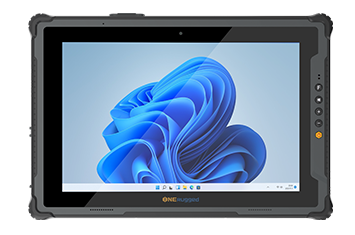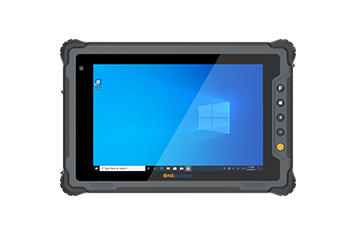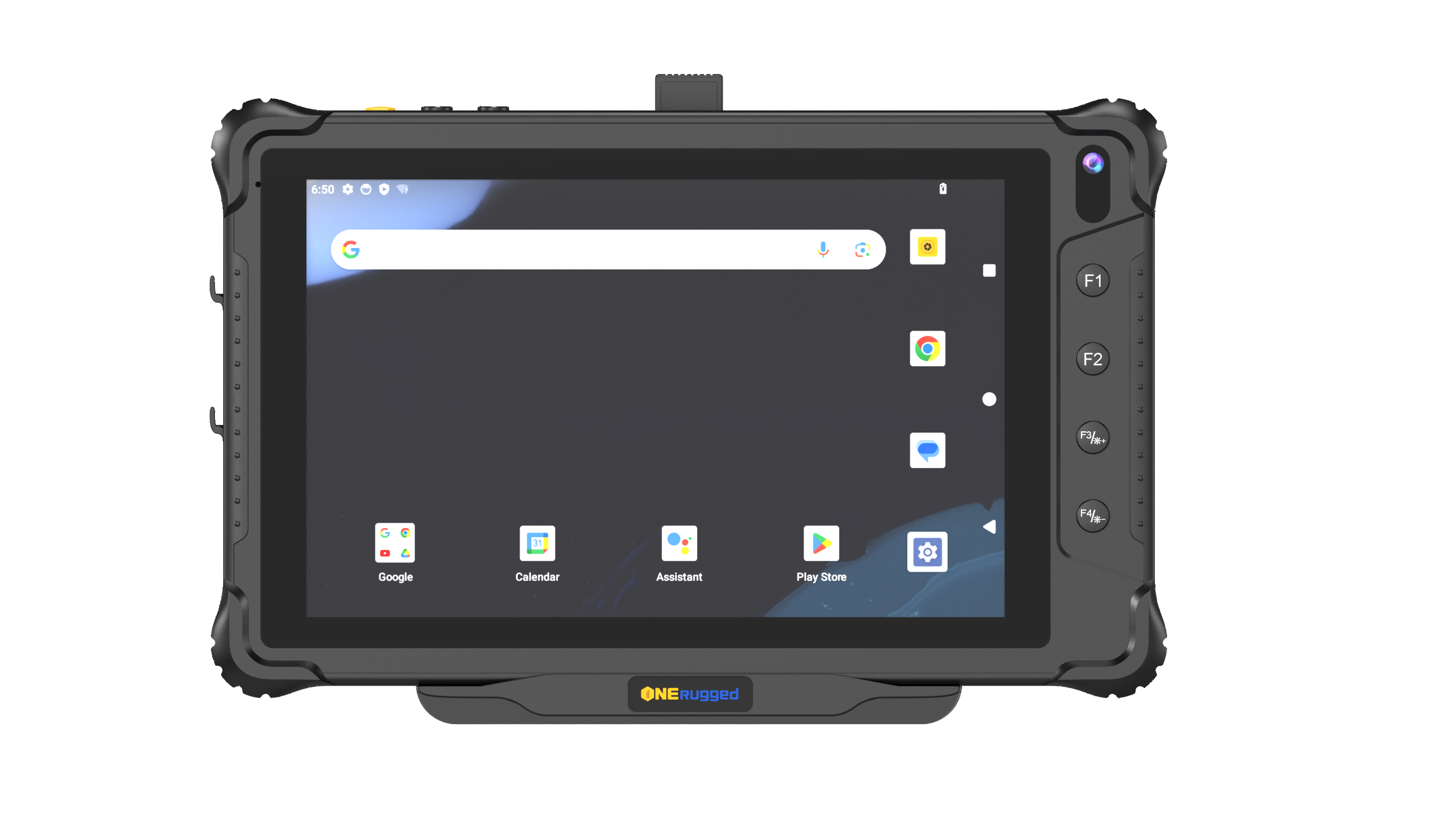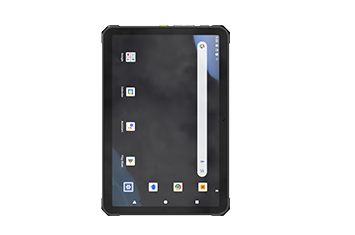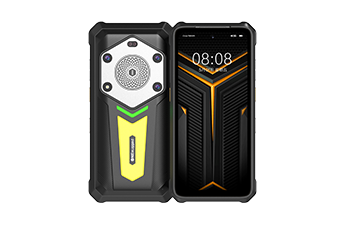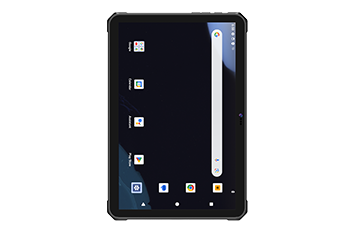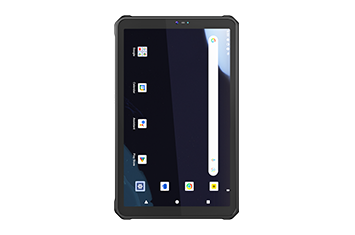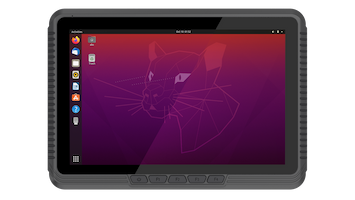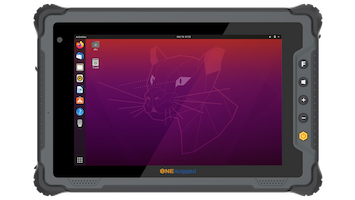

In enterprise mobility, the choice of operating system dictates the stability of the entire supply chain. While standard enterprise systems are popular, open-source distributions have emerged as a premier platform for complex industrial applications due to their stability, lightweight overhead, and security architecture. However, deploying a generic kernel onto the factory floor or into a fleet vehicle introduces severe operational vulnerabilities.
Without deep hardware-level integration, off-the-shelf software requires manual provisioning for each device, lacks robust handling of network drops, and leaves system menus exposed to operator error. To solve these friction points, industrial solution architects require a purpose-built rugged Linux terminal optimized from the bootloader to the application layer.
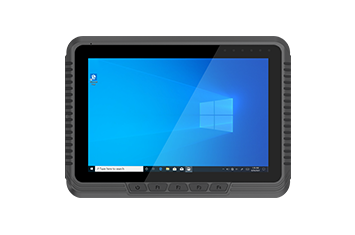
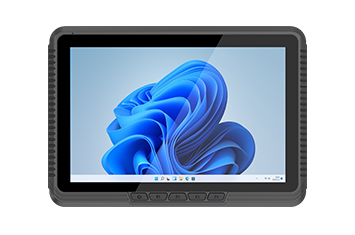
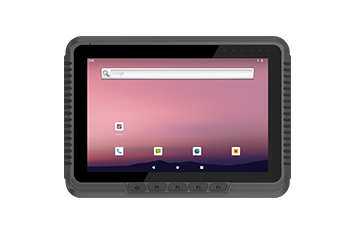
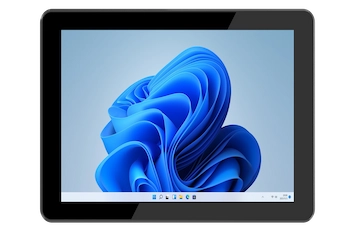
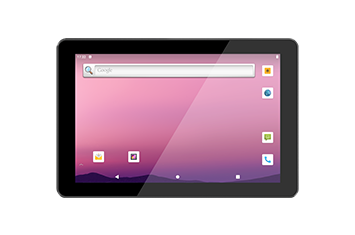
When scaling an enterprise architecture, hardware resilience must match software flexibility. Standard computing devices fail rapidly on shop floors due to airborne particulates, kinetic impacts, and thermal stress. A deployment-ready industrial tablet or vehicle terminal requires an integrated engineering blueprint to maintain system integrity.
Industrial environments demand a chassis certified to MIL-STD-810H specifications, ensuring continuous shock and vibration resistance. Furthermore, IP65 ingress protection or higher is mandatory to prevent metallic dust and liquid spray from infiltrating the internal circuit boards.
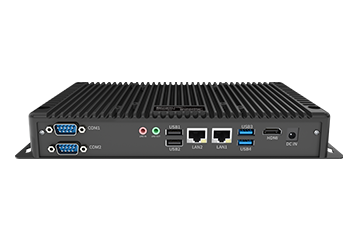
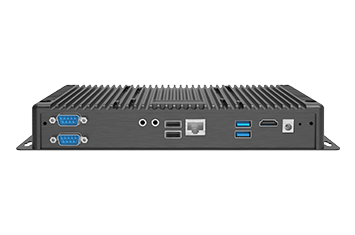
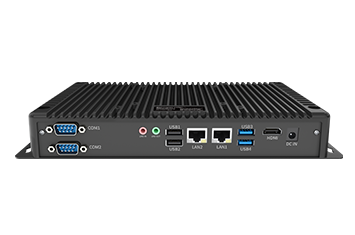
Unlike consumer tech that relies on unstable USB hubs, an all-weather industrial tablet must feature hardwired legacy interfaces. Native RS232, RS485, and CAN bus nodes ensure lag-free data transfer when communicating with Programmable Logic Controllers (PLCs), CNC machinery, and vehicle electronic control units.
As industrial IoT (IIoT) expands, the role of mobile edge devices is shifting. Modern operations require real-time processing capabilities directly at the machine interface, driving the integration of localized computing architectures with robust open-source kernels.
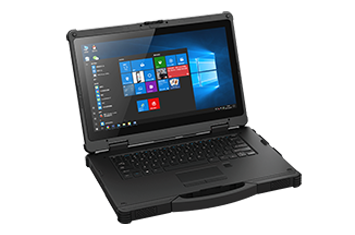
A fully rugged laptop or tablet running a hardened distribution serves as an ideal edge-computing node. This setup enables high-speed data parsing, predictive maintenance telemetry logging, and machine vision monitoring without relying on constant cloud connectivity. By stripping out the bloated background processes common in consumer operating systems, an enterprise distribution maximizes the silicon's processing efficiency, guaranteeing continuous uptime and zero-lag execution during mission-critical field operations.
Generic operating systems are designed for office productivity, not hazardous industrial environments. True operational efficiency requires deep customization across six core technical dimensions.
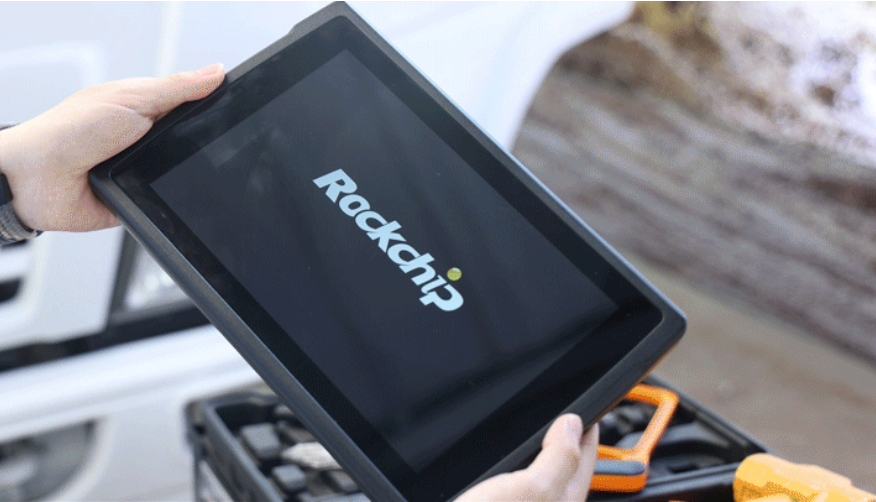
Manual configuration during a large-scale enterprise IT deployment creates massive labor overhead. Hardened terminals solve this by pre-configuring the image at the factory level:
Custom Brand Integration: Embedding proprietary boot logos and corporate animations to maintain corporate consistency.
Default Environment Staging: Pre-defining native locales, system time zones, and specialized input methods tailored to the mobile workforce.
Direct Application Boot: Bypassing the generic desktop environment to launch proprietary software instantly upon power-up.
Pre-Compiled Environments: Pre-loading dependency libraries, specific kernel modules, and target directories so the terminal is operational immediately upon unboxing.
Technicians operating devices in the field must be restricted to their assigned tasks to mitigate cybersecurity risks and prevent unintended settings modifications:
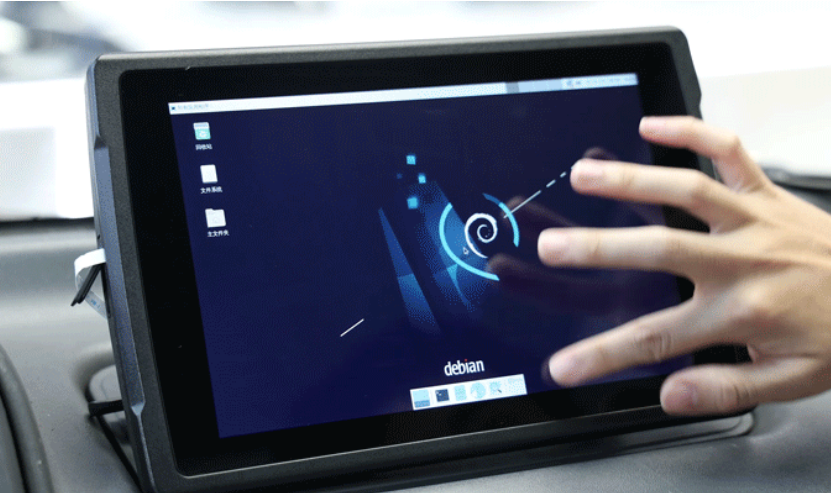
System Kiosk Mode: Locking the graphical user interface so a single enterprise application occupies the full screen, preventing operators from switching apps.
UI Component Masking: Hiding system navigation bars, status menus, and structural settings panels.
Strict Access Control: Implementing a rigid privilege model where unauthorized background binaries are blocked from executing.
Package Management Restrictions: Disabling user-level software installation or uninstallation to eliminate malware vulnerabilities.
Frequent ignition cycles in fleet telematics and erratic power grids on factory floors frequently corrupt standard filesystems. A specialized power protection layer is required:
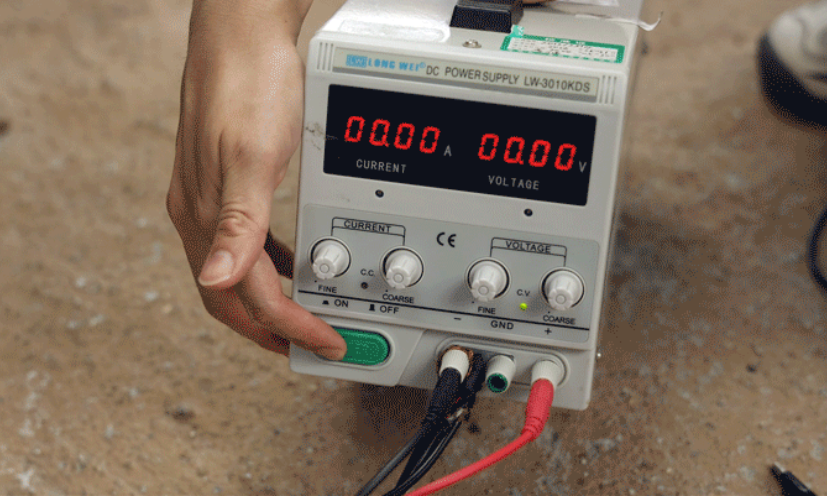
Automated Power Staging: Graceful, automated system shutdowns when external power drops, followed by automated boots when line voltage returns.
Vehicle Ignition Integration: Deep coupling with ignition sensing (ACC logic) to power up the device when the engine starts and shut it down safely when the vehicle turns off.
Sudden Power-Loss Hardening: Hardware-level battery bridges combined with a specialized read-only root file system layout, ensuring sudden power loss never corrupts critical software files.
Unstable wireless infrastructure within high-density warehouses or remote field locations can cause dropouts. A robust communication matrix keeps devices connected:
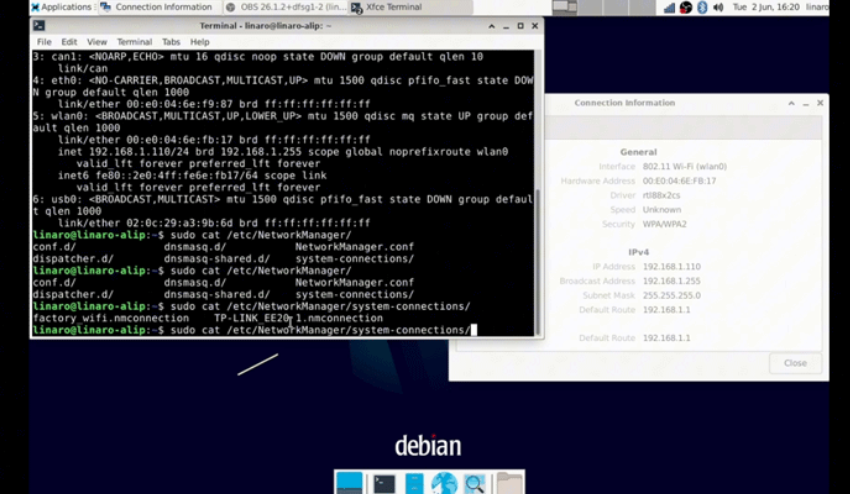
Instant Automated Association: Factory-provisioned network credentials ensure devices connect to authorized access points the moment the kernel initializes.
Aggressive Automatic Re-Connection: Integrated monitoring daemons that instantly trigger cellular re-dials or Wi-Fi reconnection handshakes if a drop occurs.
Multi-Network Concurrency: Supporting simultaneous active connections, such as combining hardwired RJ45 Ethernet with 4G/5G cellular modules.
Dynamic Failover Prioritization: Automatically routing traffic through the most stable or cost-effective network channel available based on link quality.
Integrating specialized industrial sensors often leads to long deployment delays due to driver incompatibilities. Hardened terminals resolve this through pre-built peripheral optimization:
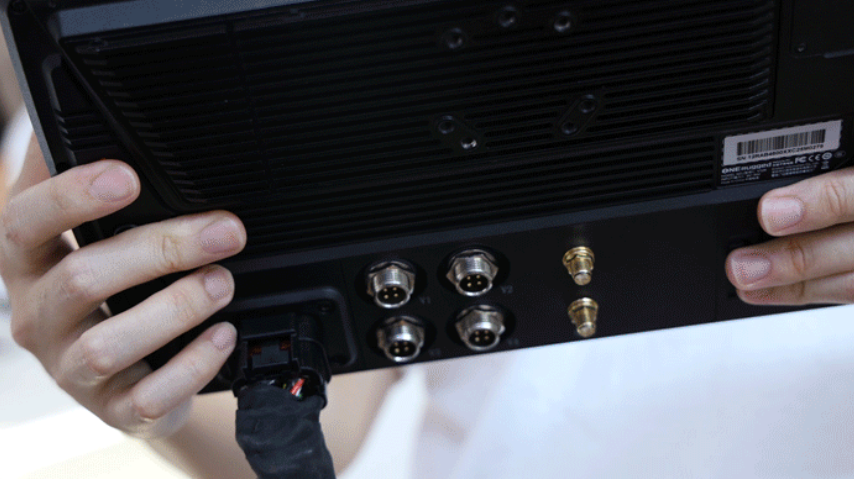
Industrial Bus Tuning: Native, pre-compiled kernel drivers optimized for RS232, RS485, and CAN data buses.
Cellular Dialing Tweaks: Low-level integration with internal communication modems to ensure stable data pipelines over public cellular bands.
Hardware Debugging Access: Tailored serial node permissions that grant debugging access to field engineers without exposing root privileges.
Digitizer Tuning: Calibrated touchscreen parameters specifically adjusted for high-accuracy tracking when exposed to rain, mist, or heavy gloves.
Generic distributions include hundreds of unnecessary packages that introduce security bugs. A specialized terminal focuses on minimalist system hardening:
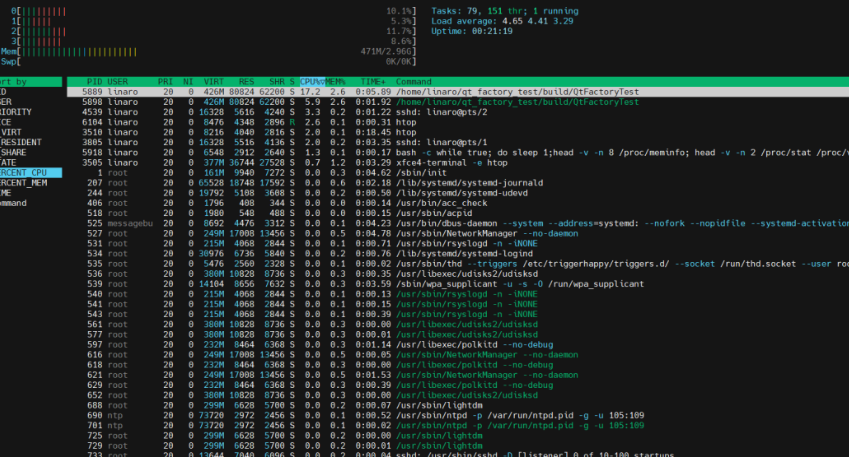
Kernel and Component Stripping: Removing unnecessary background daemons and service scripts to minimize the system’s memory footprint and storage size.
Port Hardening: Hard-closing unutilized network ports and stopping high-risk services to decrease vulnerability to cyber attacks.
Hardware Module Disabling: Completely blocking unneeded hardware elements (such as microphones, cameras, or radios) at the system level based on deployment needs.
When choosing an enterprise customization framework, solution architects can evaluate specialized boot pipelines to maximize frontline efficiency, as illustrated in :
Solution | Description | Advantages |
Qt Direct Boot | Boot directly into the customer's Qtapplication, bypassing the traditional complex Linux desktop | Faster startup, lower memory and CPU usage, cleanercleaner interface, more stable system |
Linux Fast Boot | Deeply optimized U-Boot, kernel loading,system services, and Qt startup process | Combined with Qt Direct Boot, measured time to enterthe business interface is as fast as approx. 8 seds (Databased on internal testing, results vary with application) |
Linux terminals offer complete control over the source code, allowing IT teams to strip out unnecessary packages and background processes. This results in a significantly smaller software footprint, improved security, lower hardware processing requirements, and immunity to disruptive automated OS updates that frequently cause compatibility issues with proprietary industrial software.
In vehicle-mounted applications or factory floors with unstable power grids, sudden power cuts during a disk write sequence can corrupt files. By configuring the operating system with a read-only root file system layout, the OS files cannot be modified during operation. All temporary data is written to volatile RAM or a separate isolated partition, ensuring the core operating system files remain uncorrupted regardless of sudden power loss.
Yes. Because the kernel and underlying system modifications are compiled for standard x86 or ARM architectures, a unified custom enterprise image can be developed to scale seamlessly across an entire hardware fleet, including fully rugged laptops, handhelds, and vehicle-mounted computers.
Operational excellence requires mobile technology that adapts to your workflow, not the other way around. By moving away from generic consumer configurations and adopting a tightly integrated software and hardware platform, enterprises can eliminate deployment bottlenecks, lower maintenance costs, and secure their field assets.
As an industry leader in rugged computing, Onerugged delivers a robust portfolio of industrial hardware designed for extreme environments. Whether you are outfitting a forklift fleet, tracking assets in cold storage, or modernizing a manufacturing floor, discover how integrating Onerugged’s comprehensive Linux customization services can future-proof your digital enterprise mobility infrastructure.
Discover Onerugged’s rugged computing solutions, enterprise deployment services, industrial application cases, and customized mobility strategies for warehouse, manufacturing, logistics, and field operations.