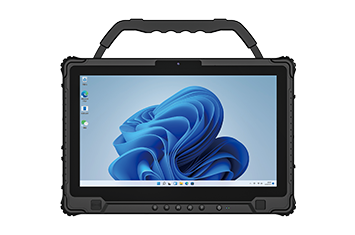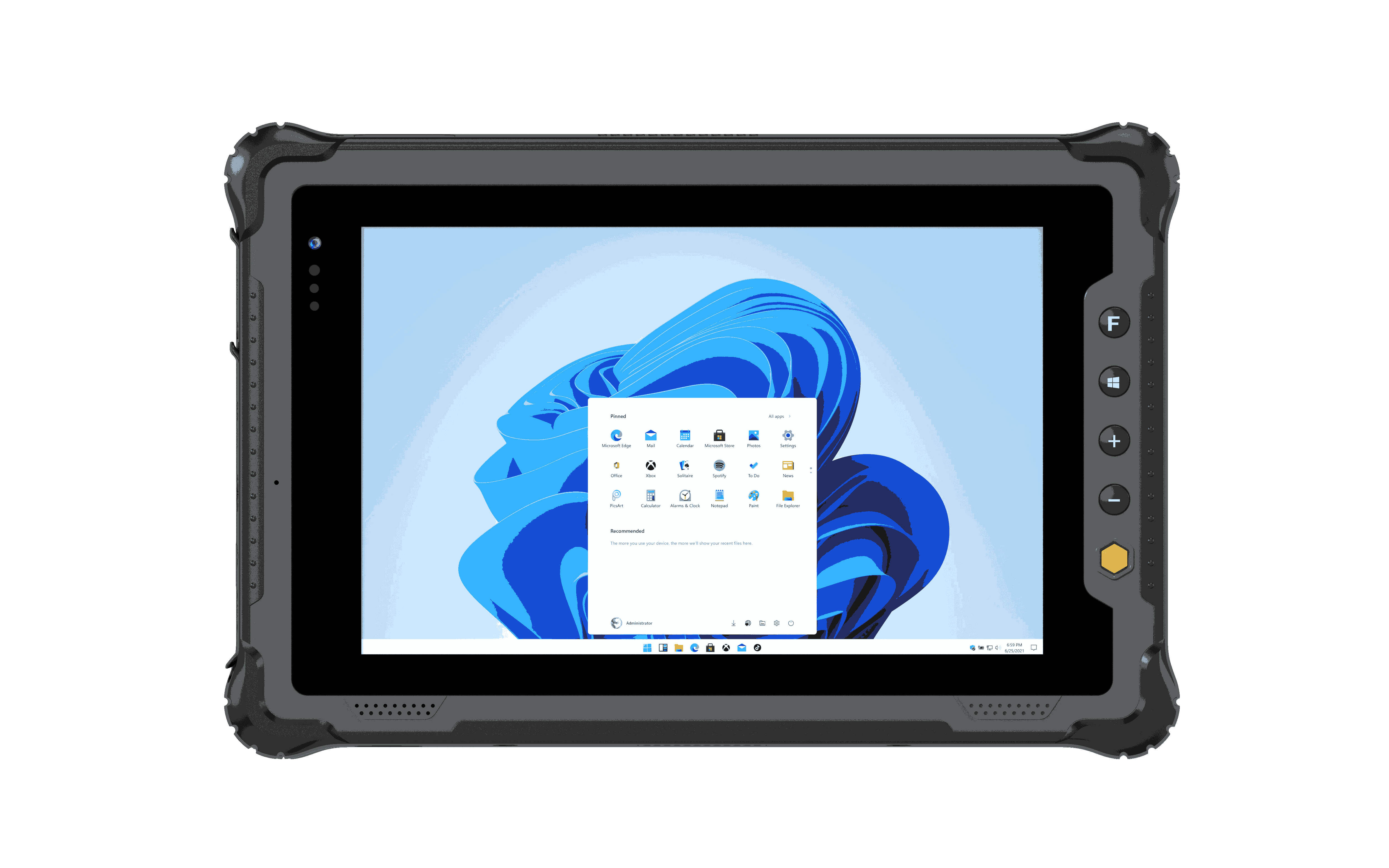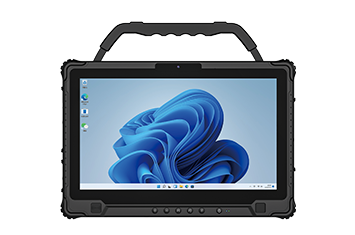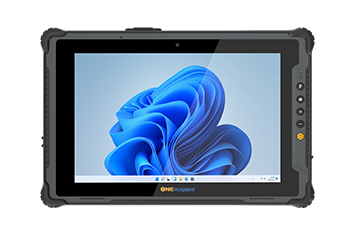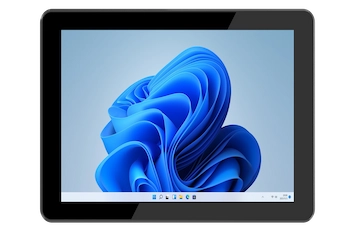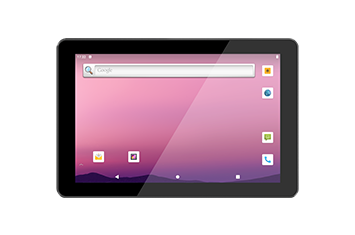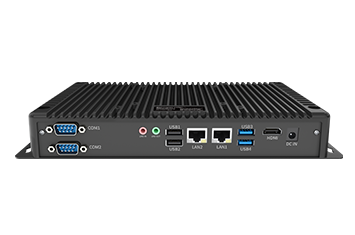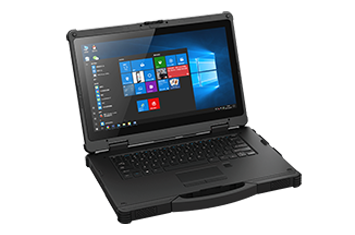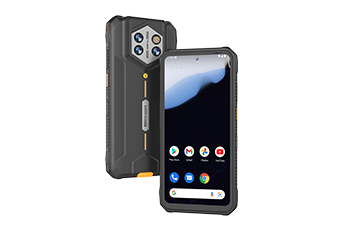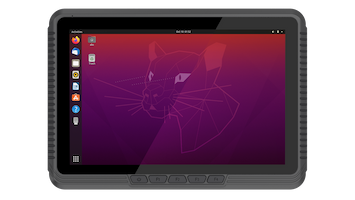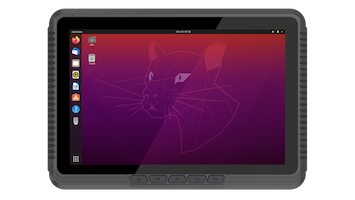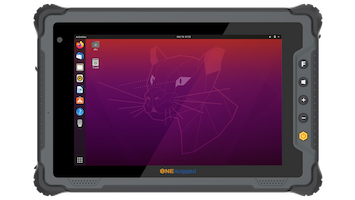

For industrial solution architects and field service directors, equipping remote technicians with the right mobile computing hardware is a mission-critical operational decision. Deploying standard commercial laptops into utility sub-stations, heavy construction sites, or remote oil derricks is an operational liability. Consumer-grade hardware inevitably succumbs to kinetic impacts, thermal throttling, and moisture ingress, leading to catastrophic data loss and crippling vehicle rolls.
To achieve maximum continuous uptime and ensure high first-time fix rates (FTFR), enterprise IT teams must transition to a specialized rugged laptop for field service. Functioning as a highly durable enterprise mobility platform, these heavy-duty workstations bridge the gap between complex diagnostic software and the unpredictable realities of the outdoor job site.

A true rugged mobile workstation relies on an entirely different physical architecture than a commercial office notebook. When evaluating hardware for field service management, procurement teams must prioritize strict environmental survivability standards.
Field technicians operate in environments dominated by mechanical vibration and airborne particulates. A deployment-ready laptop must possess a shockproof chassis certified to MIL-STD-810H standards, ensuring it survives direct drops onto concrete and continuous vibration inside fleet vehicles.
Furthermore, strict IP65 ingress protection is mandatory. Unlike commercial laptops with open cooling vents that ingest dust and rain, a rugged chassis utilizes seamlessly sealed port covers and isolated internal components to prevent devastating motherboard shorts.
Operations do not pause for extreme weather. A heavy-duty laptop must demonstrate extreme temperature tolerance, capable of executing complex diagnostics in sub-zero freezers or sweltering desert conditions without CPU throttling. Advanced internal heat dissipation systems ensure the device remains stable during intensive edge AI processing tasks.

To eliminate latency in predictive maintenance and on-site repairs, a rugged laptop must natively integrate specialized functional capabilities.
Uninterrupted Power Delivery: Field technicians often work far from vehicle power inverters. A hot-swappable dual battery architecture allows operators to eject a depleted battery and insert a fresh one mid-shift, without shutting down the operating system or losing connection to live diagnostic telemetry.
Outdoor Optical Clarity: Reviewing complex CAD schematics or wiring diagrams under direct sunlight is impossible on a consumer screen. Industrial laptops utilize optically bonded, sunlight readable displays outputting 1000+ nits of brightness. Combined with capacitive glove touch, technicians can interact with the screen while wearing heavy safety PPE.
Legacy and Next-Gen I/O: Technicians frequently interface directly with older PLCs and heavy machinery. A proper rugged laptop provides legacy ports like RS232 (Serial) and hardwired RJ45 Ethernet, alongside modern Wi-Fi 6 and 5G LTE modules for seamless real-time data visualization and cloud synchronization.
When conducting a Total Cost of Ownership (TCO) analysis, the high failure rates and peripheral dependencies of consumer hardware vastly outweigh their initial lower purchase price.
| Feature Specification | Standard Commercial Laptop | Rugged Laptop for Field Service |
| Durability Architecture | Fragile plastic/aluminum; highly vulnerable to drops | MIL-STD-810H certified; magnesium-alloy reinforcement |
| Environmental Sealing | Unsealed vents; immediate failure from liquid exposure | IP65 rated; impervious to dust, rain, and oil |
| Power Management | Single sealed battery; requires wall tethering to charge | Hot-swappable dual battery for 24/7 continuous operation |
| Display Visibility | 300 - 400 nits; completely washes out in direct sunlight | 1000+ nits; anti-glare, direct sunlight-readable interface |
| Peripheral Integration | USB-C only; relies on fragile, easily broken dongles | Native RS232, RJ45, and dedicated smart card readers |
| Financial Impact | Low initial CapEx, exponentially higher TCO due to replacements | Higher initial CapEx, significantly lower TCO over 5-year lifespan |
Because field service devices operate outside the corporate firewall and often capture proprietary infrastructure data or customer information, they must integrate advanced endpoint security frameworks.
Deploying an enterprise rugged computer requires deep IT integration. Native TPM 2.0 hardware security cryptographically secures user credentials, while secure boot sequences prevent unauthorized rootkits from hijacking the device. Furthermore, deep compatibility with premier Mobile Device Management (MDM) platforms allows IT administrators to push over-the-air (OTA) updates, lock down applications, and initiate remote data wipes if a device is compromised in the field.
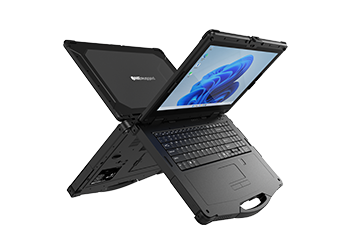
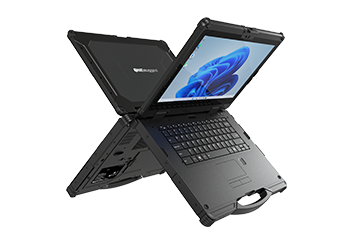
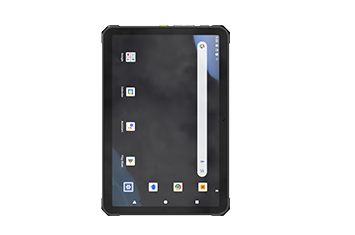
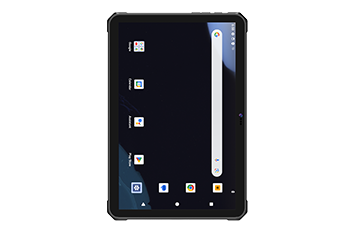
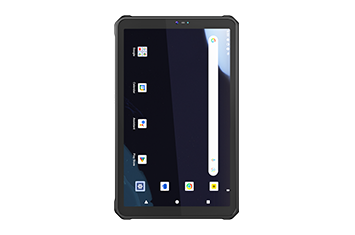
While rugged tablets excel at high-mobility data collection and inspections, a fully rugged laptop is required for heavy data entry, writing complex diagnostic reports, and running desktop-class engineering software. The physical keyboard and larger screen real estate (typically 14 to 15.6 inches) provide the necessary ergonomics for extended field programming.
Standard lithium-ion batteries lose significant voltage output in freezing temperatures. Industrial rugged laptops counter this by utilizing specialized low-temperature battery chemistry and internal thermal heating elements that keep the battery cells at an optimal operating temperature during winter deployments.
Yes. Unlike commercial laptops that require highly unreliable USB-to-Serial dongles, a true rugged laptop features native, hardwired DB9 (RS232/RS422) serial ports and RJ45 ethernet ports, ensuring a stable, zero-latency connection during critical firmware flashes or logic updates.
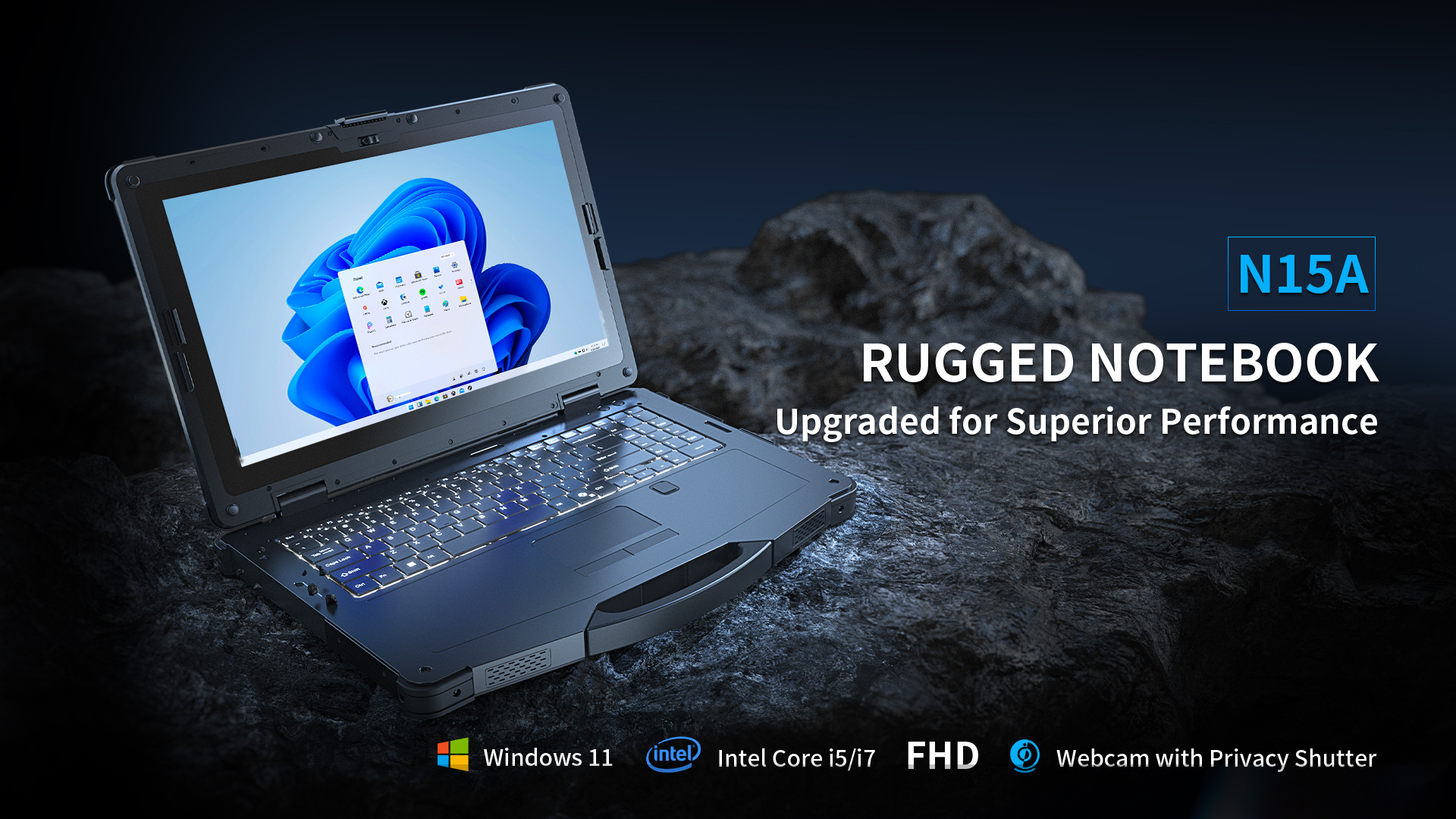
In heavy industry, technology must be as resilient as the technicians operating it. Transitioning from fragile commercial electronics to purpose-built, heavily armored mobile computing platforms is the most effective strategy to eliminate hardware-induced downtime and accelerate your enterprise IT deployment.
For field service teams requiring desktop-class processing power at the edge, the
Discover Onerugged’s rugged computing solutions, enterprise deployment services, industrial application cases, and customized mobility strategies for warehouse, manufacturing, logistics, and field operations.