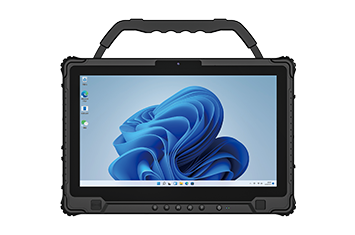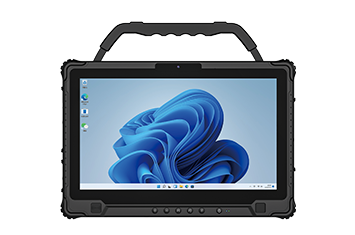

Navigating complex transportation environments makes it incredibly challenging for enterprises to track fleet status in real-time and guarantee punctual deliveries. Whether you are managing a fleet of cross-country freight trucks or coordinating a city's bus network, consumer-grade tablets simply cannot survive the harsh realities of the road.
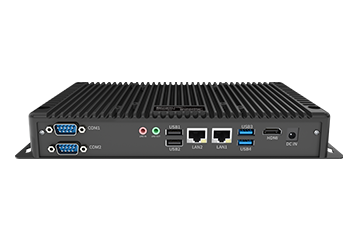
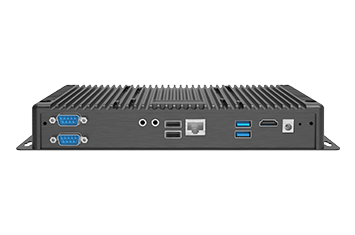
To maintain continuous connectivity, ensure driver safety, and optimize logistics, modern operations are standardizing on a dedicated vehicle computer for transportation. These high-performance terminals act as the brain of the vehicle, granting dispatchers real-time access to critical data.
Let’s explore why upgrading to an industrial-grade, in-vehicle computing system is no longer a luxury, but an absolute necessity for modern distribution and fleet management.
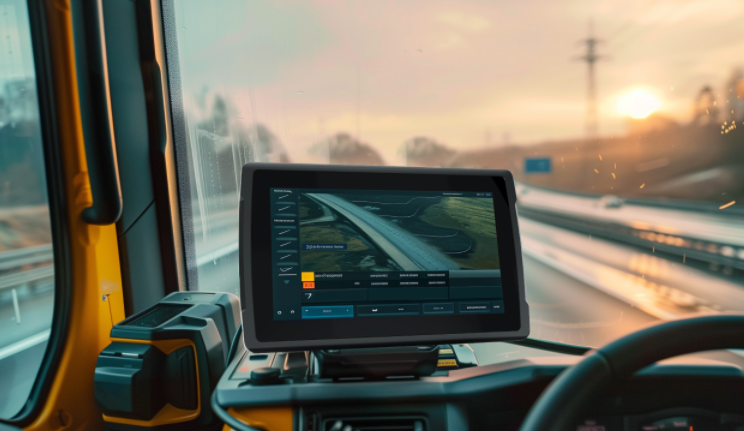
Managing a modern transit system requires more than just a GPS screen. It requires an in-vehicle edge AI computing platform capable of surviving severe environmental stress. Standard devices will quickly shatter or overheat under constant vibration and temperature shifts.
A true rugged transit embedded PC is built differently. Tested against strict MIL-STD-810H shock testing standards, these computers can withstand the constant rattling of a bumpy road or rail line. They often feature a fanless thermal extrusion architecture that prevents dust and moisture from destroying internal components, ensuring all-weather reliability.
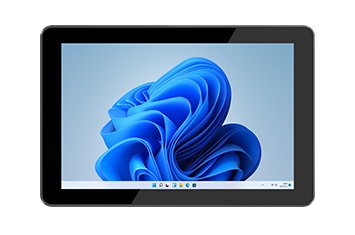
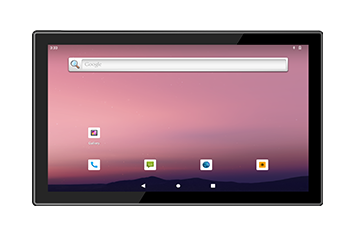
For operators, visibility is crucial. Built for extreme outdoor transportation conditions, the best vehicle computers feature high-brightness displays (often 1000 nits), making them completely sunlight-readable. Furthermore, industrial-grade touch screens remain fully responsive even when operated with thick work gloves or wet hands during severe cold and rainy weather, ensuring stable public transit fleet dispatching at any loading dock or bus stop.
As cities evolve, vehicles must talk to the infrastructure around them. A modern commercial fleet telematics gateway bridges this gap, enabling V2X smart city communication (Vehicle-to-Everything).
With high-performance edge computing (HPEC), these computers do far more than display maps. They process complex data locally within the cab. For example:
Real-time AI video analytics: Integrating as a multi-camera vehicle NVR, the computer can power school bus blind-spot monitoring or driver fatigue monitoring (DMS) to drastically reduce accidents.
Advanced Connectivity: Utilizing a 5G Sub-6 multi-carrier module, fleets can maintain high-bandwidth connections for passenger counting & surveillance or even provide a Wi-Fi 7 passenger hotspot.
Future-Proofing: These robust terminals lay the computational groundwork for advanced initiatives, such as robotaxi autonomous driving (Level 3/4).
Through the CAN FD automotive protocol and isolated digital I/O (DIO), these computers pull data directly from the vehicle's engine, sending predictive engine diagnostics back to headquarters so maintenance can be scheduled before a breakdown occurs.
One of the most common complaints in fleet management is that computers crash, freeze, or lose data the moment the driver turns the ignition key. This happens because commercial vehicles—especially heavy trucks and buses—experience massive electrical voltage spikes and drops during engine startup.
An enterprise-grade vehicle computer for transportation solves this through specialized power architecture. They are equipped with a 9V-36V wide DC input that safely absorbs electrical fluctuations. More importantly, they feature intelligent ignition delay shutdown. This allows the computer to power up safely after the engine stabilizes, and delays shutdown when the engine is turned off, ensuring all data is saved and transmitted to the cloud.
Additionally, a hardware watchdog timer (WDT) automatically reboots the system if software hangs, preventing the need for manual driver intervention.
When an emergency response vehicle CAD (Computer-Aided Dispatch) or a truck carrying high-value freight enters a mountain tunnel or drives between downtown skyscrapers, standard GPS signals drop completely. This creates a dangerous blind spot for dispatchers.
To combat this, industrial vehicle computers utilize u-blox Dead Reckoning GNSS technology. Dead reckoning uses the vehicle's internal sensors (like gyroscopes and speed data) to calculate the vehicle's exact position, even when the satellite signal is blocked.
This ensures that turn-by-turn navigation remains uninterrupted and that cross-border cargo fleet tracking and railway rolling stock telemetry never lose sight of a vehicle's location, guaranteeing the punctual, efficient, and safe delivery of all commodities.
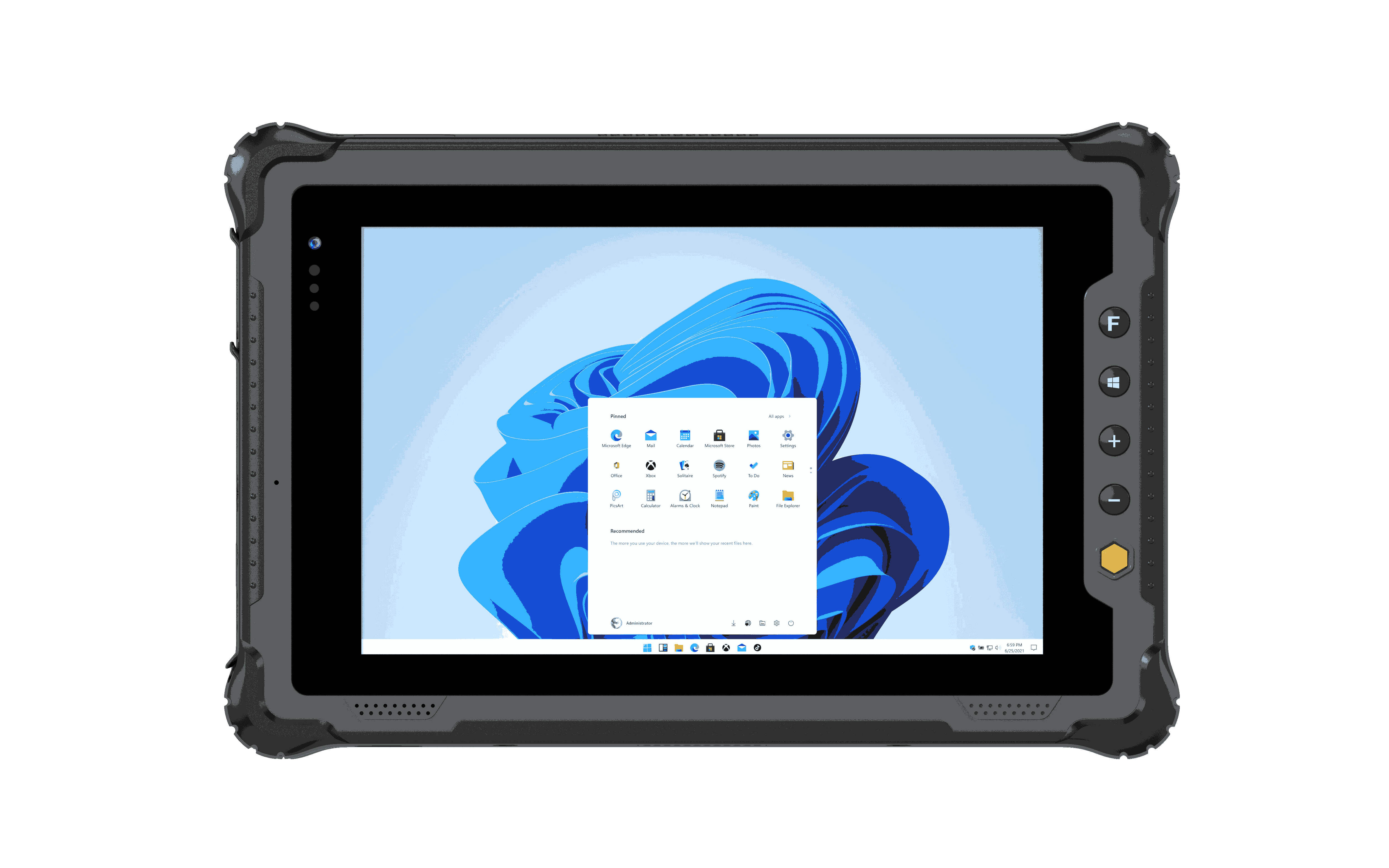
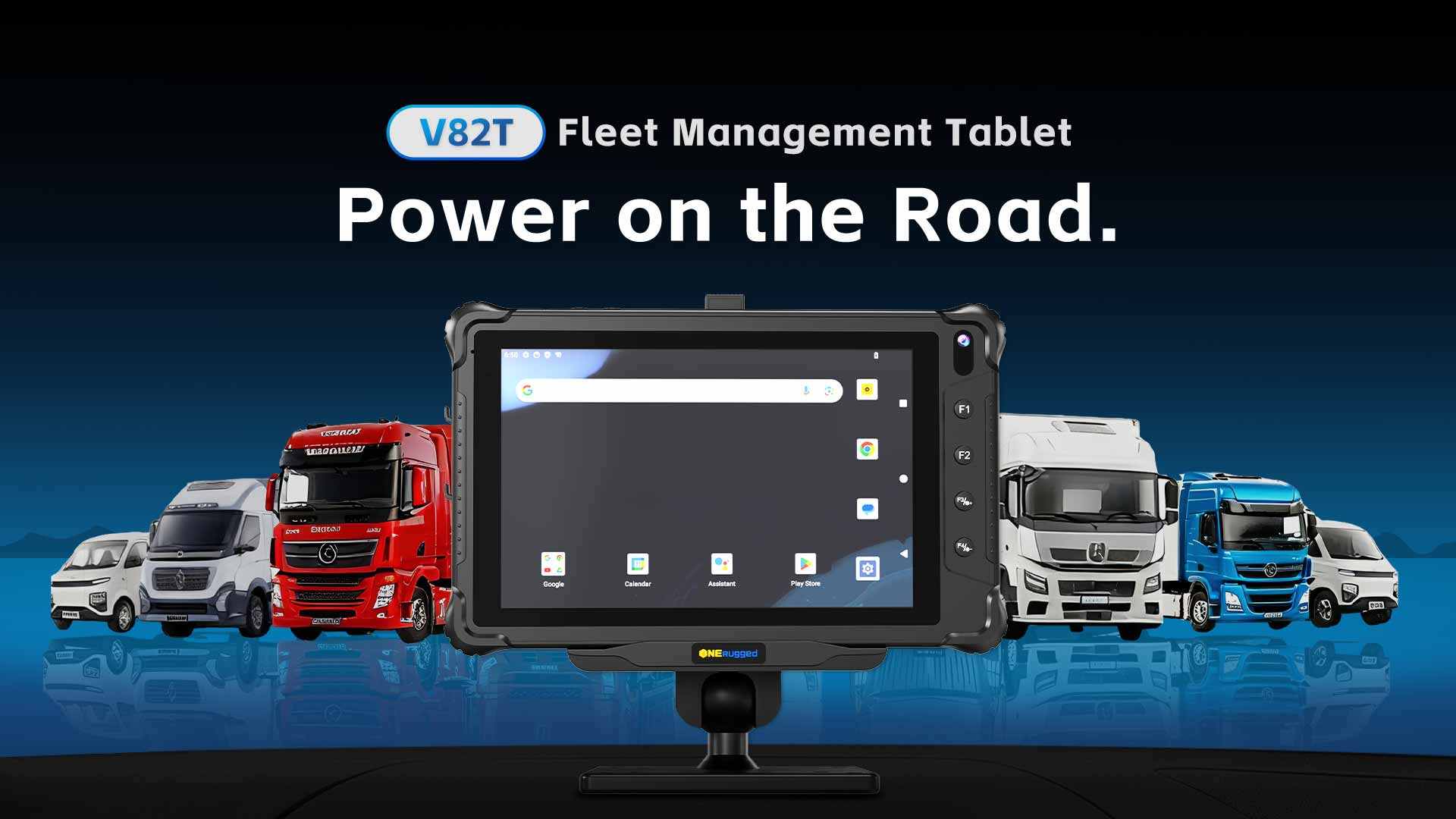
If you are looking to deploy an intelligent terminal that combines all these enterprise features into one rugged package, the
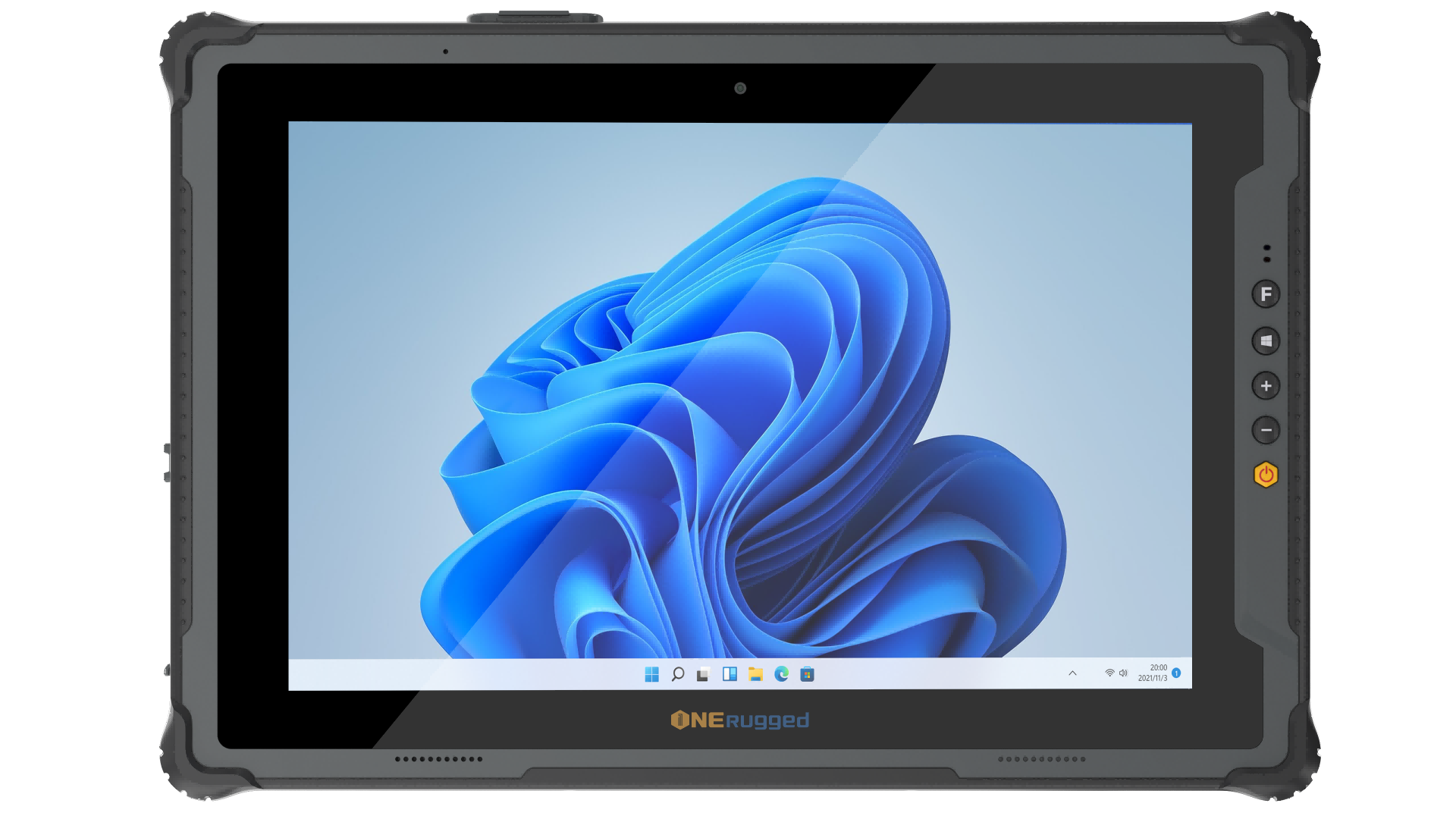
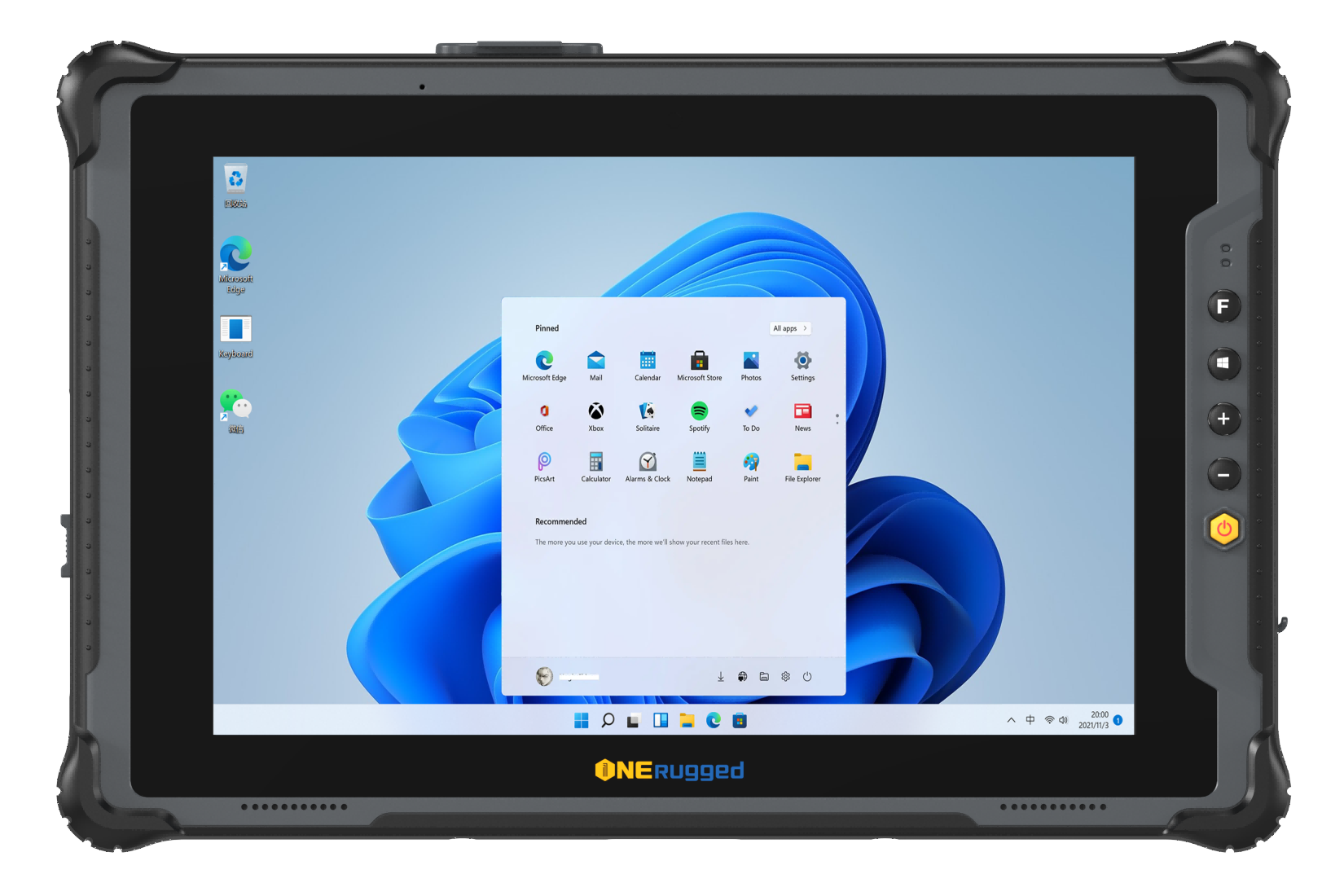
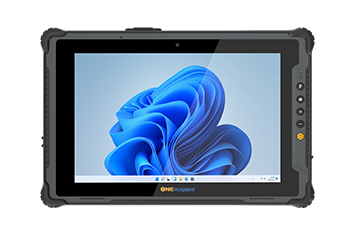
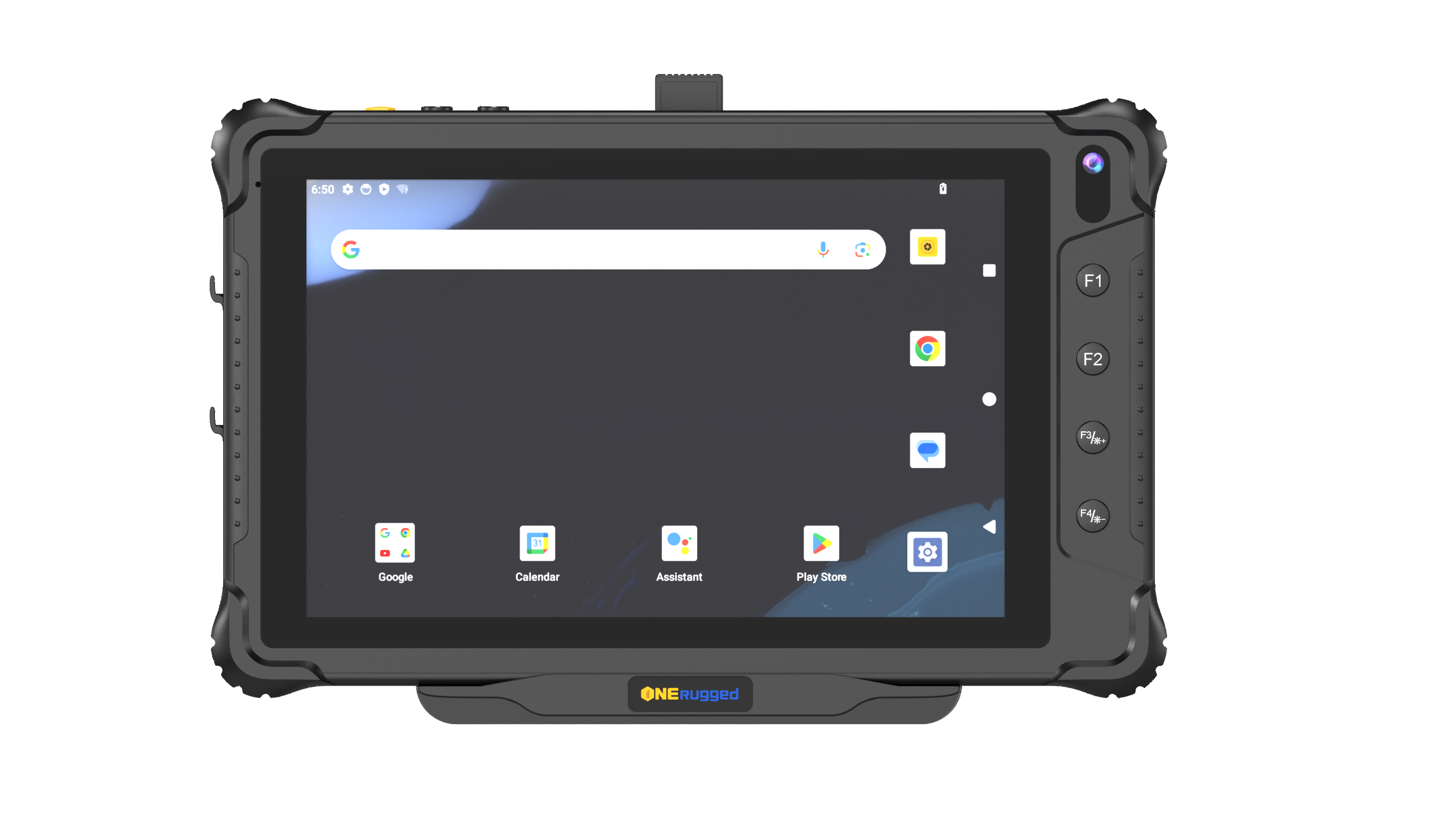
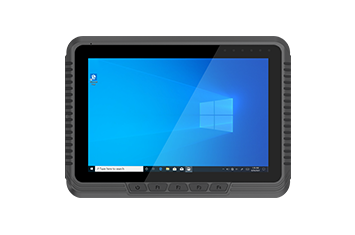
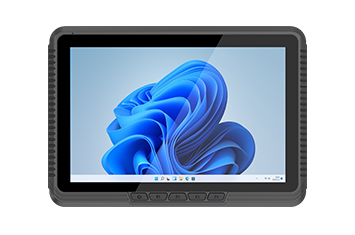
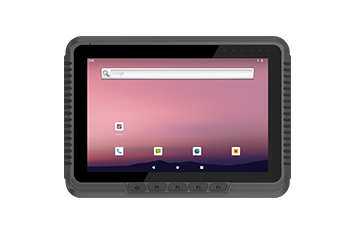
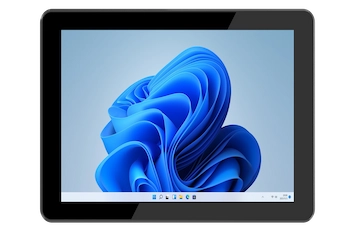
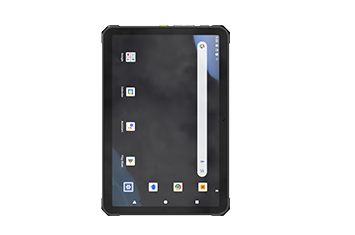
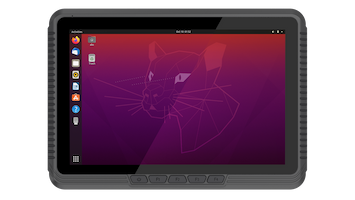
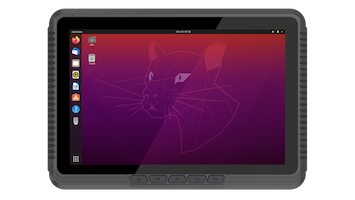
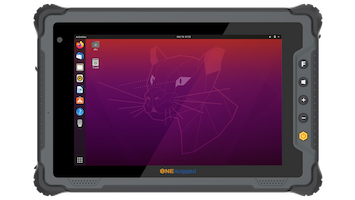
Designed to outlast the longest transit routes, the ONERugged V82T is an exceptional tablet-in-car system. It features:
Hot-Swappable Power: Utilizing enterprise-grade power architecture, the V82T delivers 8+ hours of continuous performance. Drivers can swap depleted batteries on the fly without powering down the device, guaranteeing uninterrupted energy for consecutive shifts.
Final-Mile Excellence: During the pickup and delivery process, the built-in barcode scanner accurately records the flow of goods, while high-definition cameras capture images for instant electronic Proof of Delivery (ePOD).
Certified Reliability: Equipped with heavy-duty M12 X-coded connectors and carrying essential industry credentials, it is the perfect device to dynamically adjust schedules and optimize dispatch plans in real-time.
Upgrading to a purpose-built terminal like the V82T is the smartest investment a fleet operator can make to reduce downtime and accelerate delivery times.
A: For road vehicles, look for E-Mark E13 certification, which ensures the electronic device meets European safety and environmental standards for automotive use. If you are deploying computers on trains or subways, EN50155 railway certification is strictly required to guarantee the hardware can withstand the specific temperature, humidity, and shock profiles of a railway certified terminal.
A: Because fleets are constantly on the move, modern vehicle computers support over-the-air (OTA) secure firmware updates. This allows IT administrators to push critical security patches, software upgrades, and routing updates to the entire fleet simultaneously via 5G or Wi-Fi, without requiring the vehicles to return to the depot.
A: Yes. Next-generation vehicle computers are equipped with advanced networking interfaces like 1000BASE-T1 Automotive Ethernet. This provides the massive bandwidth necessary to handle real-time video feeds from multiple high-definition IP cameras around the vehicle, essential for modern surveillance and autonomous driving systems.
Discover Onerugged’s rugged computing solutions, enterprise deployment services, industrial application cases, and customized mobility strategies for warehouse, manufacturing, logistics, and field operations.