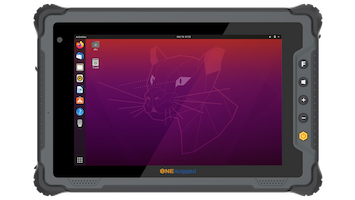

In the fast-moving world of supply chain management, speed and accuracy are everything. Whether your operations involve managing a bustling cross-docking hub or coordinating drivers for last-mile delivery routing, your workforce relies heavily on mobile technology.
For years, logistics companies faced a tough choice: use bulky, permanent vehicle computers that trap data inside the cab, or hand drivers fragile consumer tablets that crack the first time they are dropped on a concrete warehouse floor.
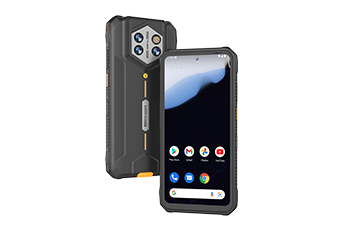
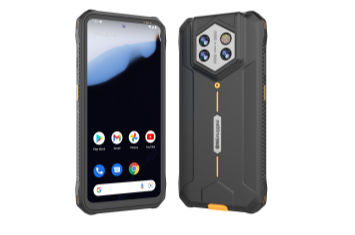
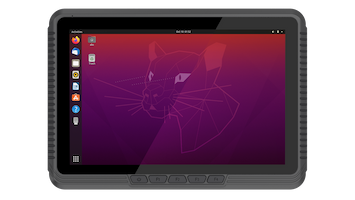
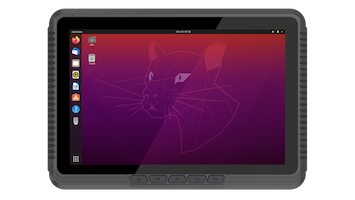
Today, a smarter solution has taken over. Transitioning to a purpose-built vehicle tablet for logistics provides the perfect balance—giving you the heavy-duty durability of an industrial machine with the lightweight flexibility of a modern mobile device.
Let’s look at how this technology simplifies daily workflows, keeps your drivers connected, and why it has become an essential tool for modern supply chains.
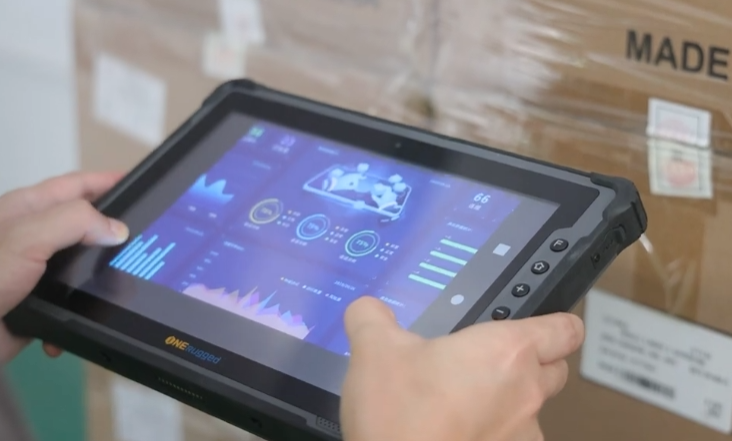
One of the biggest headaches in transport management is manual paperwork. Relying on drivers to log their delivery times by hand leads to errors, lost tracking numbers, and delayed invoicing.
A dedicated heavy-duty logistics mobile terminal completely eliminates these administrative bottlenecks. Because the device sits in a secure Pogo-pin vehicle docking station right in the cab, it continuously syncs with your central hub.
Instant Updates: Delivery logs, traffic delays, and route changes update in real time.
Paperless Deliveries: When arriving at a client's location, the driver can pop the tablet out of its cradle to handle ePOD (electronic proof of delivery) and execute a quick digital signature capture.
Inside massive distribution centers, tracking the movement of pallets can feel like searching for a needle in a haystack.
Using a rugged forklift tablet helps warehouse supervisors monitor stock movements instantly, virtually eliminating the risk of accidental stockouts. Instead of walking back to a central desktop computer to check item locations, operators carry the data directly with them.
| Forklift Operation | Last-Mile Delivery |
| - Secured in Vehicle Dock | - Popped out of Dock instantly |
| - Draws 9V-36V Vehicle Power | - Runs on Hot-Swappable Battery |
| - Fast Forklift Pick-and-Pack | - Captures ePOD & Signatures |
These devices are highly adaptable for data collection. Equipped with an integrated 1D/2D barcode scanner engine or a UHF RFID reader integration, warehouse staff can scan freight as it moves off the truck and onto the racks. The data logs directly into your system, meaning your team spends less time hunting down inventory records and more time moving cargo.
With growing customer demand for exact delivery windows, fleet managers need a rock-solid, two-way communication channel with their drivers.
A vehicle-mounted detachable PC gives fleet managers the ability to stay in touch with their team anywhere there is cellular coverage. Drivers can register new shipments on the fly, flag damaged cargo, and coordinate with dispatch without missing a beat.
Because these tablets are engineered for harsh industrial environments, they easily survive continuous mechanical vibration, extreme cabin heat, and accidental drops that would instantly destroy standard consumer electronics.
If you are looking for the ideal balance of portability, extreme durability, and seamless vehicle integration, the
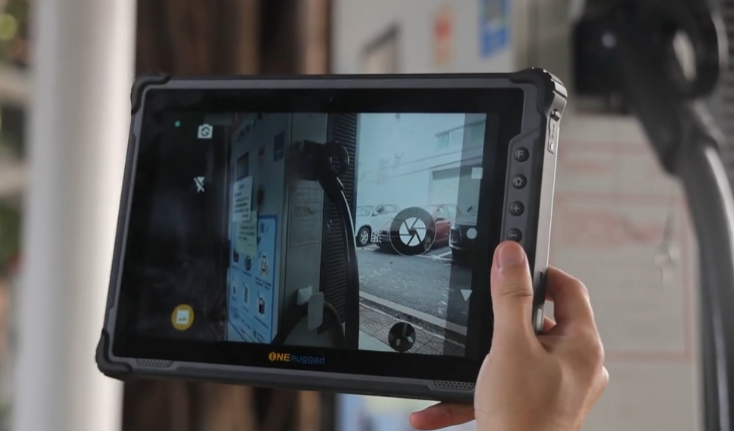
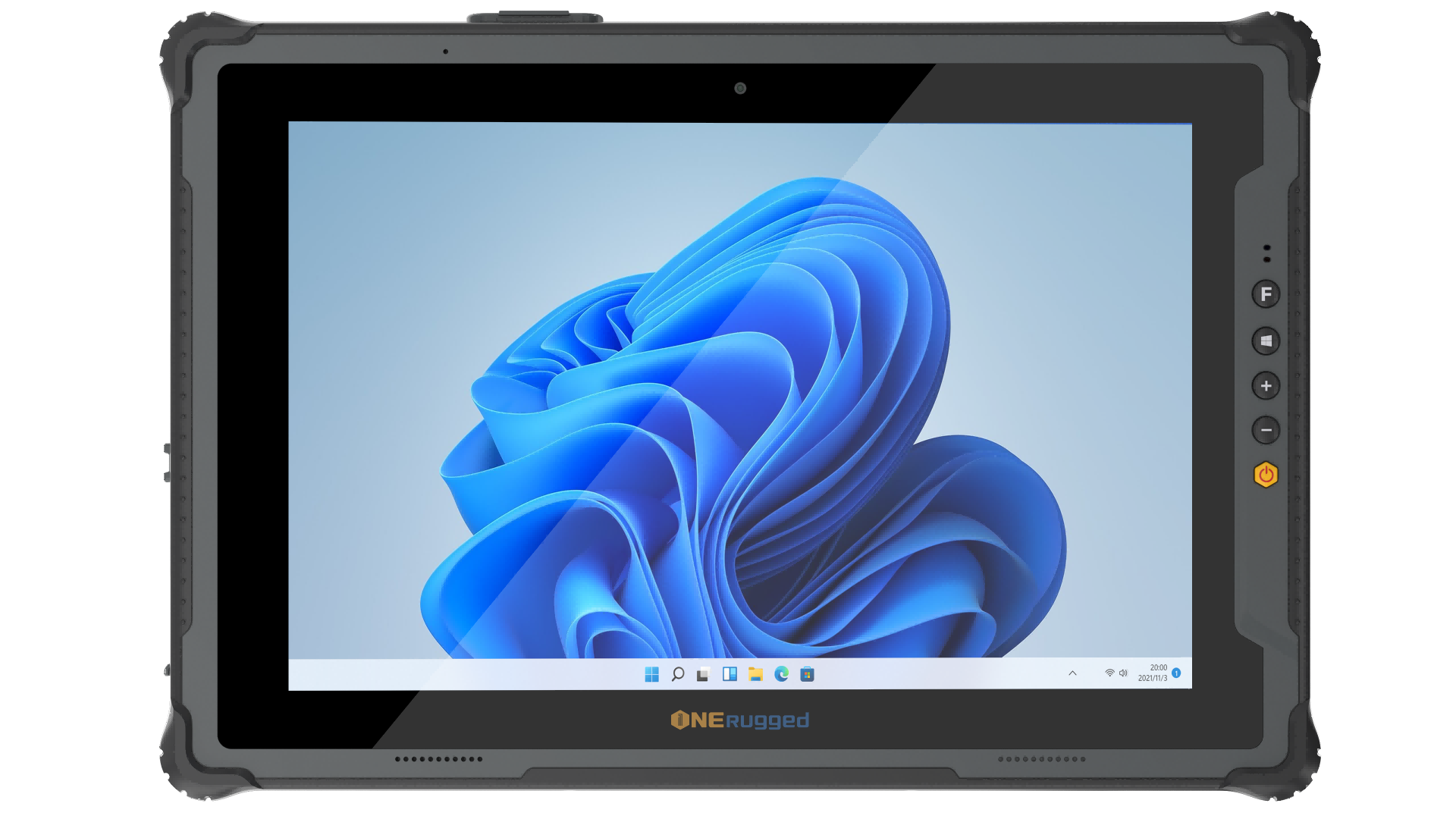
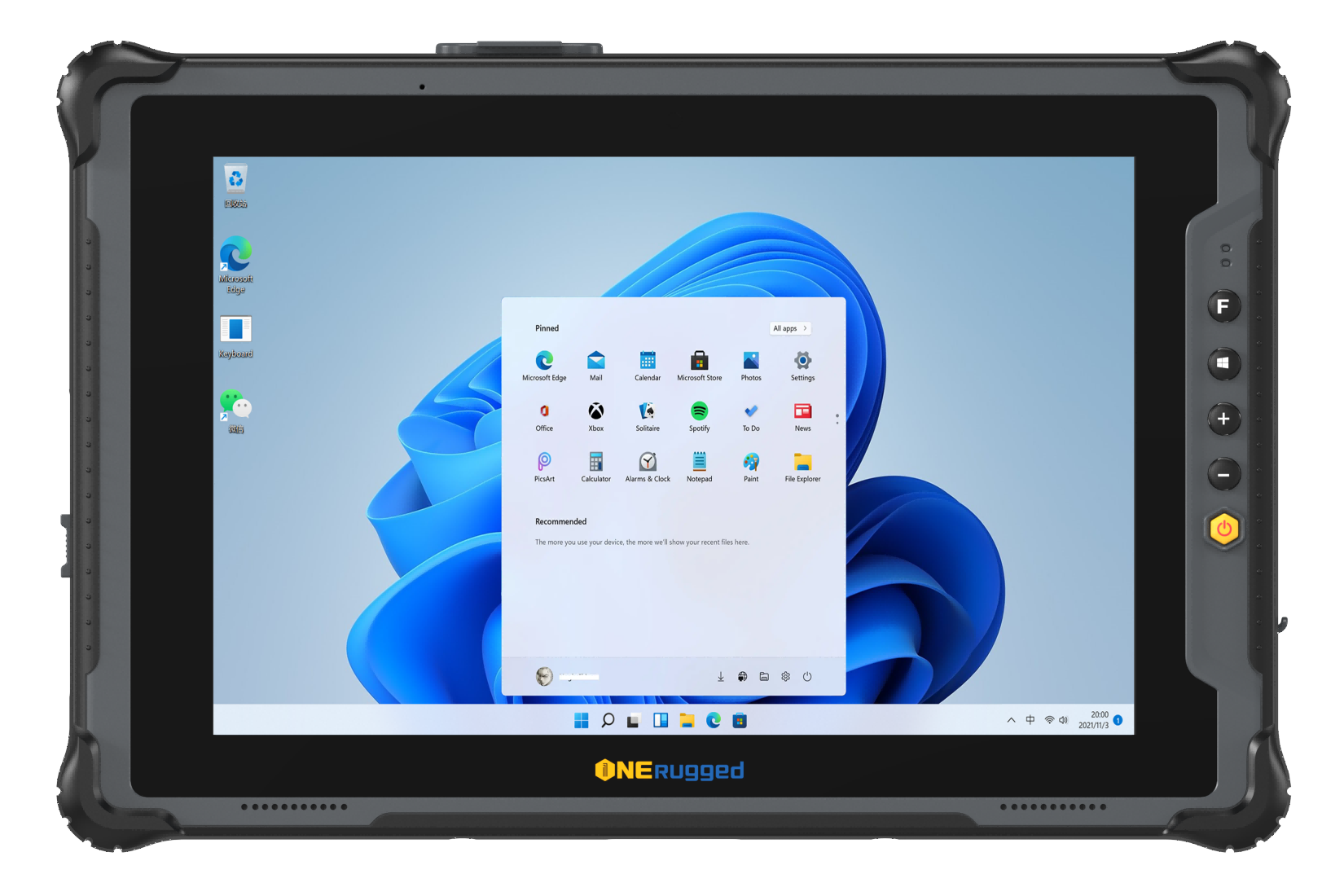
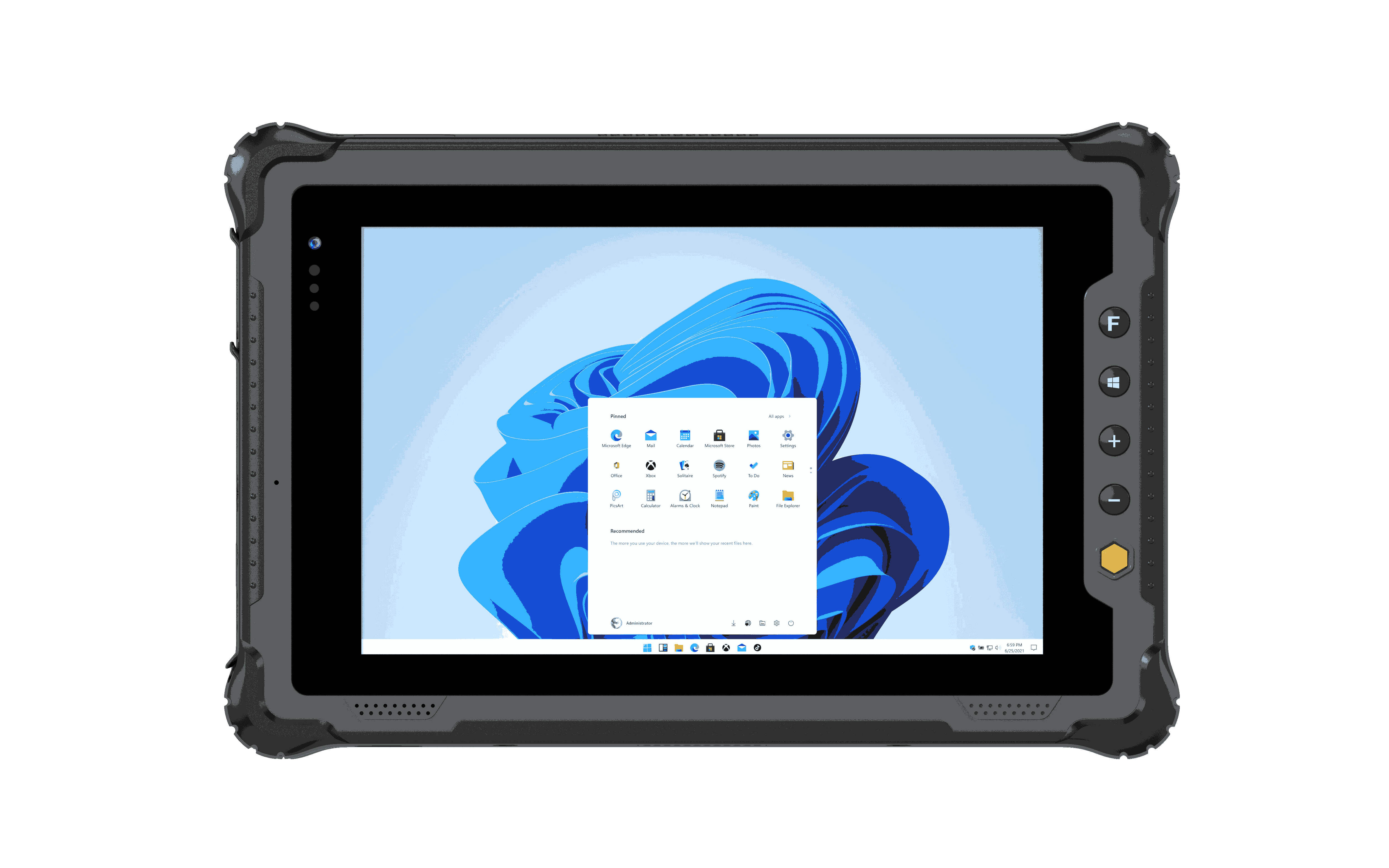
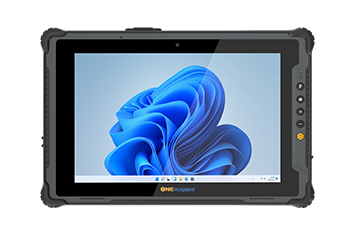
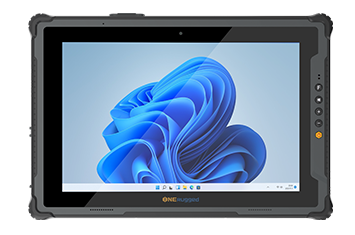
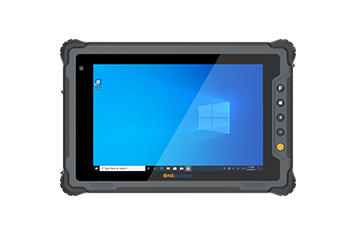
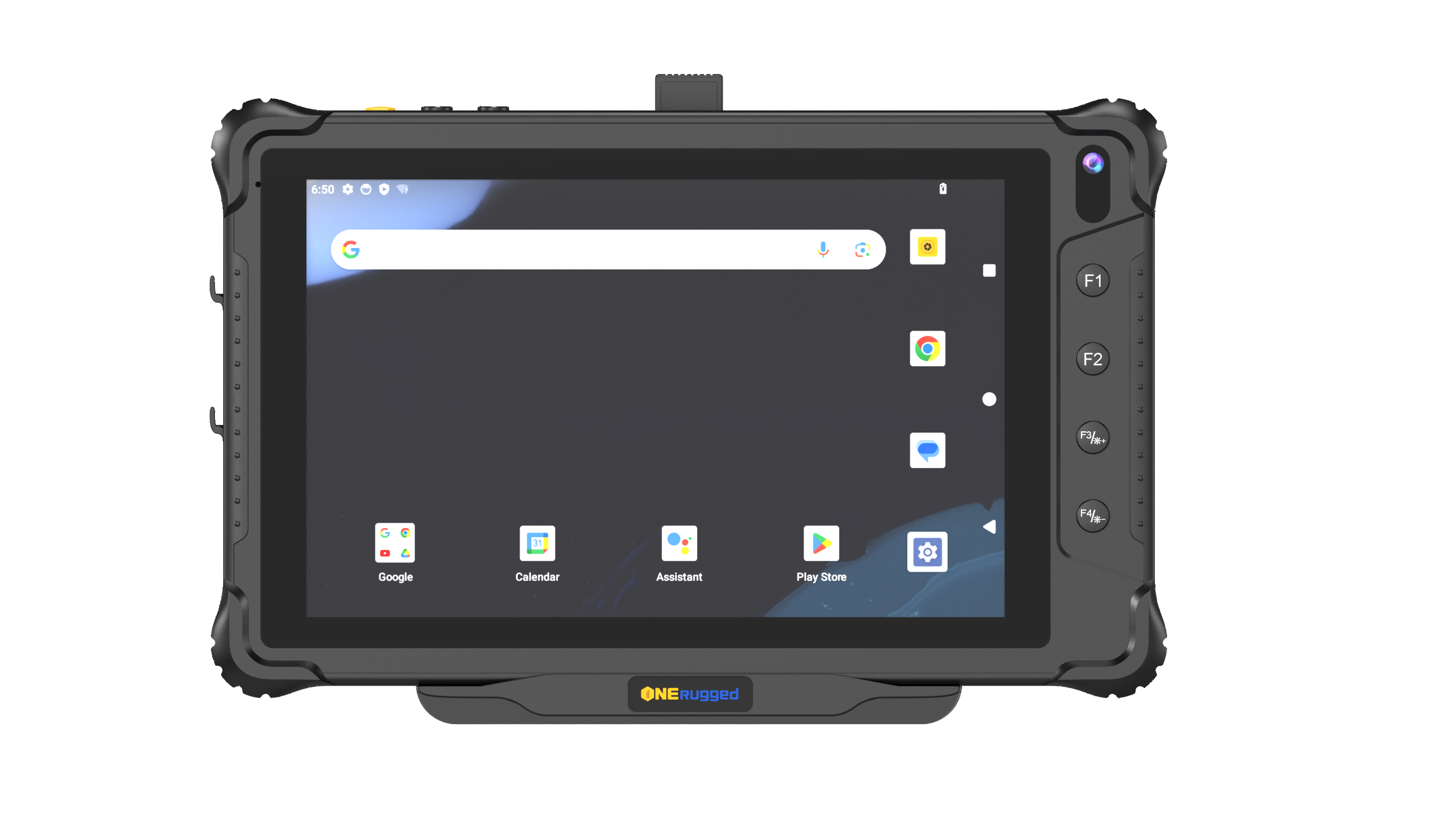
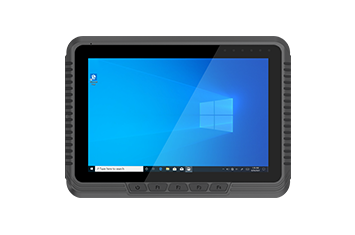
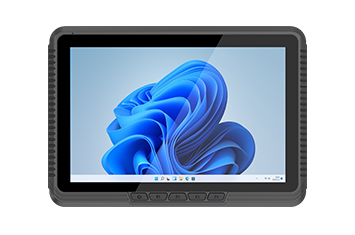
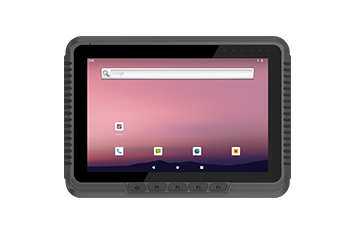
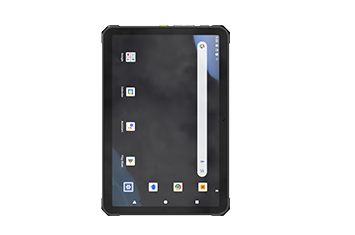
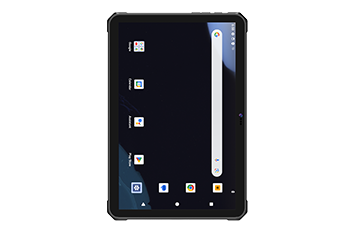
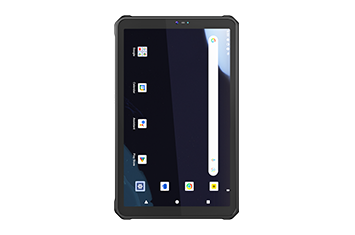
Built specifically to handle the stresses of forklift pick-and-pack routing and long-haul transport, the M10J features a reinforced magnesium alloy internal frame wrapped in a rugged, sealed shell. It offers a premium fanless thermal design that keeps the computer running cool without sucking in warehouse dust, fibers, or moisture.
When docked inside a truck or forklift cab, the M10J draws clean regulated power via a 9V-36V power input via dock, protecting the hardware from sudden vehicle voltage spikes. When it’s time to step out of the vehicle for an inventory check, the driver can detach it instantly—relying on a hot-swappable dual battery setup to keep the system powered on and connected to the network without needing a reboot.
| ONERUGGED M10J CORE FEATURES |
| - 10-Inch High-Brightness Display (Sunlight Readable) |
| - Secure Pogo-Pin Vehicle Dock with 9V-36V Wide Power Input |
| - Reinforced Magnesium Alloy Internal Frame |
| - Fanless Thermal Design (Blocks Out Warehouse Dust & Dirt) |
| - Dual Hot-Swappable Batteries for Constant Full-Shift Uptime |
| Operational Requirement | Consumer Tablet with Case | Onerugged M10J Logistics Tablet |
| Physical Durability | Plastic casings warp; screens crack easily | MIL-STD-810H drop protection certified |
| Environmental Sealing | Unsealed ports allow dust and moisture entry | High-level IP65/IP67 water and dust resistance |
| Vehicle Power Integration | Charging cables shake loose and break easily | Heavy-duty Pogo-pin vehicle docking station |
| Shift Longevity | Device must be shut down to swap batteries | Hot-swappable dual battery system |
| Data Capture | Relies on slow, unreliable camera apps | Integrated high-performance 1D/2D barcode scanner |
Modern logistics hubs are moving rapidly toward Industry 4.0 automation, which requires constant, accurate data collection at the ground level. Traditional fixed-mount terminal boxes lock a computer's processing power strictly to a vehicle cab. To stay competitive, companies are shifting toward a vehicle tablet for logistics because it bridges the gap between vehicle and floor operations, allowing data collection to happen seamlessly anywhere in the facility.
The largest bottleneck is device failure caused by environmental stress and power mismatching. Standard commercial tablets frequently suffer from battery swelling due to constant charging in hot vehicle cabs, or lose network connection entirely when crossing between indoor steel racking and outdoor staging yards. Deploying industrial tablets with isolated vehicle power docks and advanced roaming antennas ensures that your entire fleet stays synchronized, regardless of local site conditions.
Warehouses, cross-docks, and manufacturing yards are full of airborne particulate matter, such as wood dust, packaging fibers, and forklift tire dust. Computers that use traditional internal cooling fans actively suck these highly flammable particles directly onto warm internal circuitry, creating a severe fire hazard and causing frequent hardware short-circuits. A sealed, fanless configuration dissipates heat passively through its housing, keeping the internal electronics safe from airborne debris.
Managing hardware across multiple shipping ports or distribution centers can overwhelm IT support teams. Modern enterprise-grade tablets solve this by offering deep compatibility with Mobile Device Management (MDM) software. This allows corporate IT departments to push firmware updates, configure security protocols, and deploy picking applications over-the-air via the cloud, getting new hardware into the field without requiring hands-on programming.
Discover Onerugged’s rugged computing solutions, enterprise deployment services, industrial application cases, and customized mobility strategies for warehouse, manufacturing, logistics, and field operations.