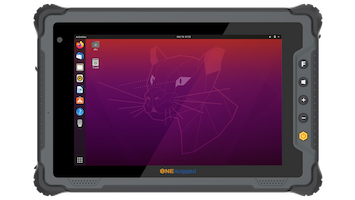

In the fast-paced ecosystem of modern global logistics, data accuracy is just as critical as physical freight movement. When warehouse operators, forklift drivers, and field technicians rely on fragile consumer-grade devices or outdated optical readers, operations inevitably suffer. A shattered screen or a failed barcode scan on a loading dock doesn't just delay a single package—it creates a cascading bottleneck across the entire distribution network.
To eliminate these hardware-induced failures, industrial solution architects are standardizing on the rugged handheld scanner. Engineered specifically for extreme environments, these enterprise-grade devices serve as the critical data-capture link between physical inventory and centralized Warehouse Management Systems (WMS).
Let’s explore why upgrading your data capture hardware is essential, how it drives efficiency across global fulfillment, and what features to prioritize for your next enterprise deployment.
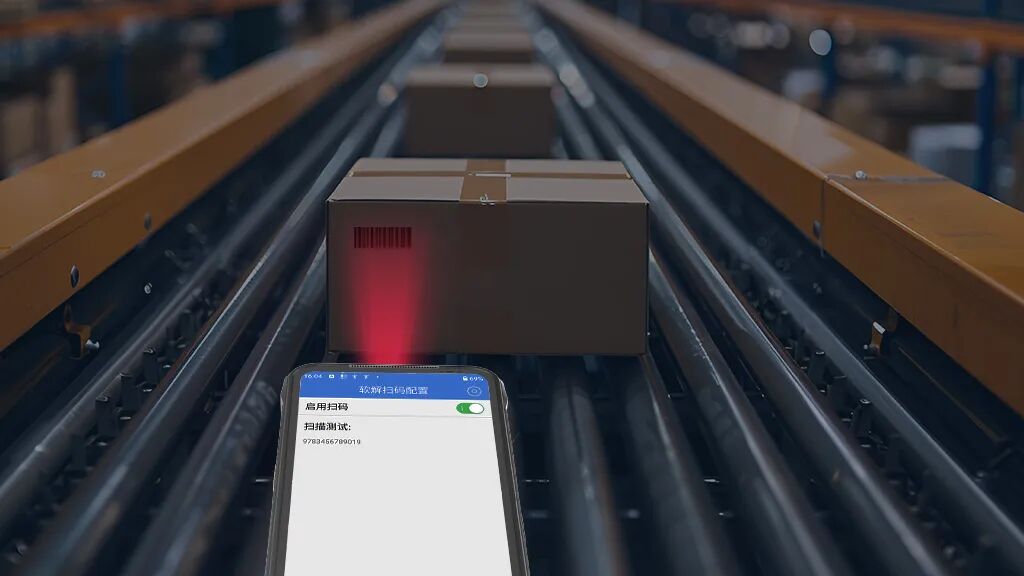
A rugged handheld scanner is an impact-resistant, environmentally sealed data capture terminal designed for continuous, high-volume industrial use. Unlike standard retail scanners, these enterprise mobility devices are engineered with reinforced internal chassis and advanced optical engines capable of rapid 1D/2D decoding.
They are specifically built to read damaged, low-contrast, or frost-covered labels instantly, providing haptic, visual, and audio feedback to operators working in high-decibel manufacturing environments.
In continuous-shift operations, hardware downtime equates directly to lost revenue. High-volume supply chains deploy ruggedized scanners primarily to lower the Total Cost of Ownership (TCO) and eliminate workflow interruptions. Consumer devices wrapped in aftermarket cases simply cannot survive the kinetic realities of a heavy-duty warehouse.
Purpose-built industrial scanners offer three critical advantages:
Extreme Survivability: Built to military-grade drop specifications, these scanners absorb repeated drops onto concrete floors, tumbling from forklifts, and constant machine vibration without optical misalignment.
Environmental Immunity: Equipped with IP65/IP68 sealing, rugged scanners block out microscopic metallic dust, survive heavy liquid washdowns, and function flawlessly in sub-zero cold storage facilities without interior screen condensation.
Advanced Optical Performance: Utilizing advanced megapixel imagers, operators can capture barcodes from extended ranges, read challenging direct part mark (DPM) codes on metal automotive parts, and scan omnidirectionally—meaning the worker does not need to perfectly align the scanner with the barcode.
Modern distribution relies on velocity. Every second an operator spends struggling to scan a dirty shipping label compounds over thousands of shifts. Transitioning to industrial-grade scanning hardware immediately optimizes frontline workflows.
Industrial IoT hardware features high-speed processors and aggressive decode algorithms. This allows workers to scan items as quickly as they can pull the trigger, enabling continuous motion during pallet breakdown or cross-docking operations.
In a massive distribution center, dead zones destroy productivity. Modern enterprise scanners utilize optimized Wi-Fi roaming and Bluetooth® connectivity, ensuring that a worker scanning inventory in a distant yard remains constantly synced with the central WMS without dropping data packets.
In a noisy stamping plant or a busy loading dock, a worker may not hear a standard "beep." Rugged scanners feature haptic confirmation (vibration) and bright multi-color LED aimers, ensuring the operator knows a scan was successful without having to look down at a screen.
To understand the operational ROI, fleet managers must evaluate hardware across physical and operational metrics.
| Feature Metric | Smartphone with Barcode App | Standard Retail Scanner | Rugged Handheld Scanner |
| Drop Survivability | Low (Shatters easily) | Medium (1.5m to tile) | High (Multiple drops to concrete) |
| Ingress Protection | IP67 (Consumer rating) | IP42 (Indoor only) | IP65/IP68 (Dust-tight, waterproof) |
| Scan Speed & Range | Slow (Requires camera focus) | Moderate (Standard range) | Instant (Extended range imaging) |
| Ergonomics & Fatigue | Poor (No physical trigger) | Good (Lightweight) | Excellent (Balanced for all-day use) |
| Enterprise TCO (3-5 Yrs) | Very High (Frequent replacements) | High (Prone to cable/trigger failure) | Low (Built for 5+ year lifecycles) |
When enterprise IT directors look for a unified hardware solution that balances heavy-duty performance with user-friendly ergonomics, the
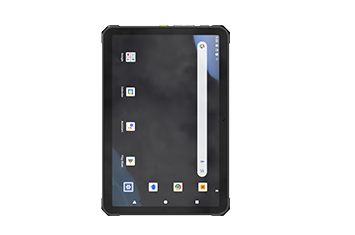
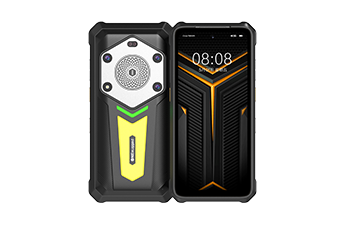
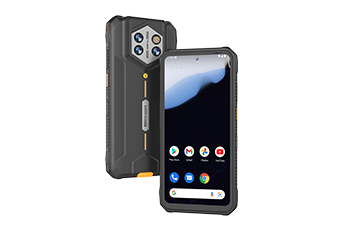
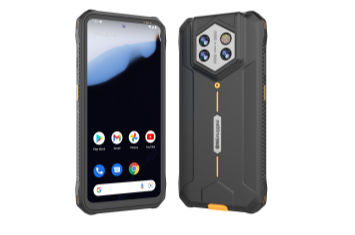
Built specifically for the rigors of warehouse automation and field service mobility, the H68T functions as a comprehensive enterprise data terminal. Rather than just acting as a "dumb scanner," it integrates a high-performance barcode engine capable of capturing dirty, torn, or poorly printed 1D and 2D barcodes instantly.
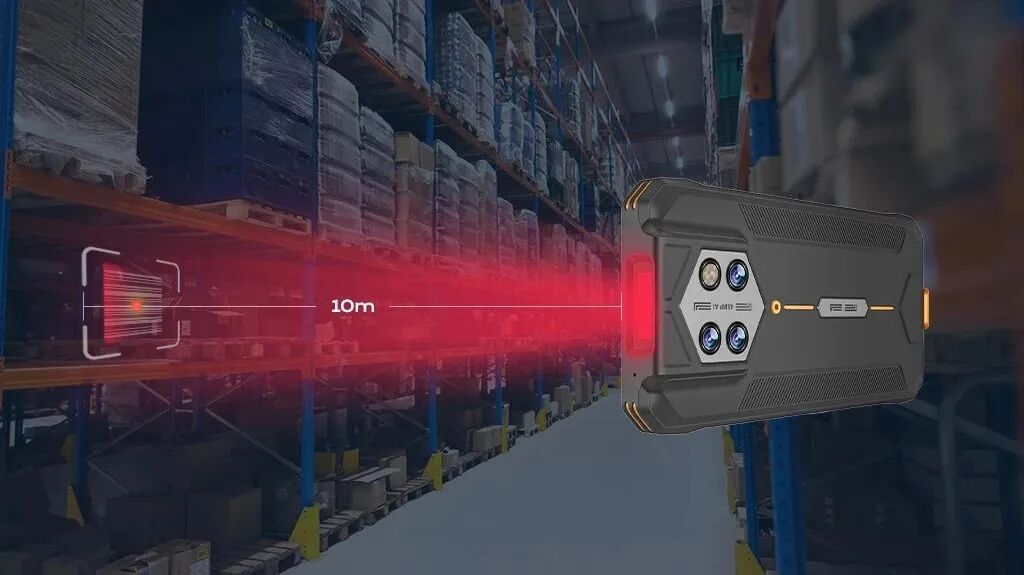
Designed for continuous shift work, the H68T features a robust, sealed architecture that thrives in dusty manufacturing lines and unpredictable outdoor logistics yards. By combining secure wireless connectivity with an ultra-durable chassis, the Onerugged H68T ensures your frontline workers maintain peak productivity from the loading dock to the final mile.
IP65 devices are completely dust-tight and protected against low-pressure water jets, making them ideal for standard manufacturing, dusty aisles, and outdoor loading docks exposed to rain. IP68 devices provide continuous protection against full water immersion, making them the strict requirement for extreme high-humidity environments, deep-freeze cold storage (preventing internal frost), and food-processing lines that require heavy chemical washdowns.
Yes. Unlike standard laser scanners, modern rugged devices utilize advanced 2D area-imaging technology paired with intelligent decoding algorithms. This allows the optical engine to reconstruct and read barcodes that are smudged, torn, printed on highly reflective shrink-wrap, or suffering from low contrast due to faded ink.
While rugged handheld scanners have a higher initial procurement cost, enterprise deployment studies consistently show a return on investment (ROI) within 12 to 18 months. This rapid ROI is achieved by eliminating the replacement costs of fragile devices, drastically reducing IT support tickets, and reclaiming thousands of labor hours previously lost to slow camera-based scanning and poor network roaming.
Discover Onerugged’s rugged computing solutions, enterprise deployment services, industrial application cases, and customized mobility strategies for warehouse, manufacturing, logistics, and field operations.