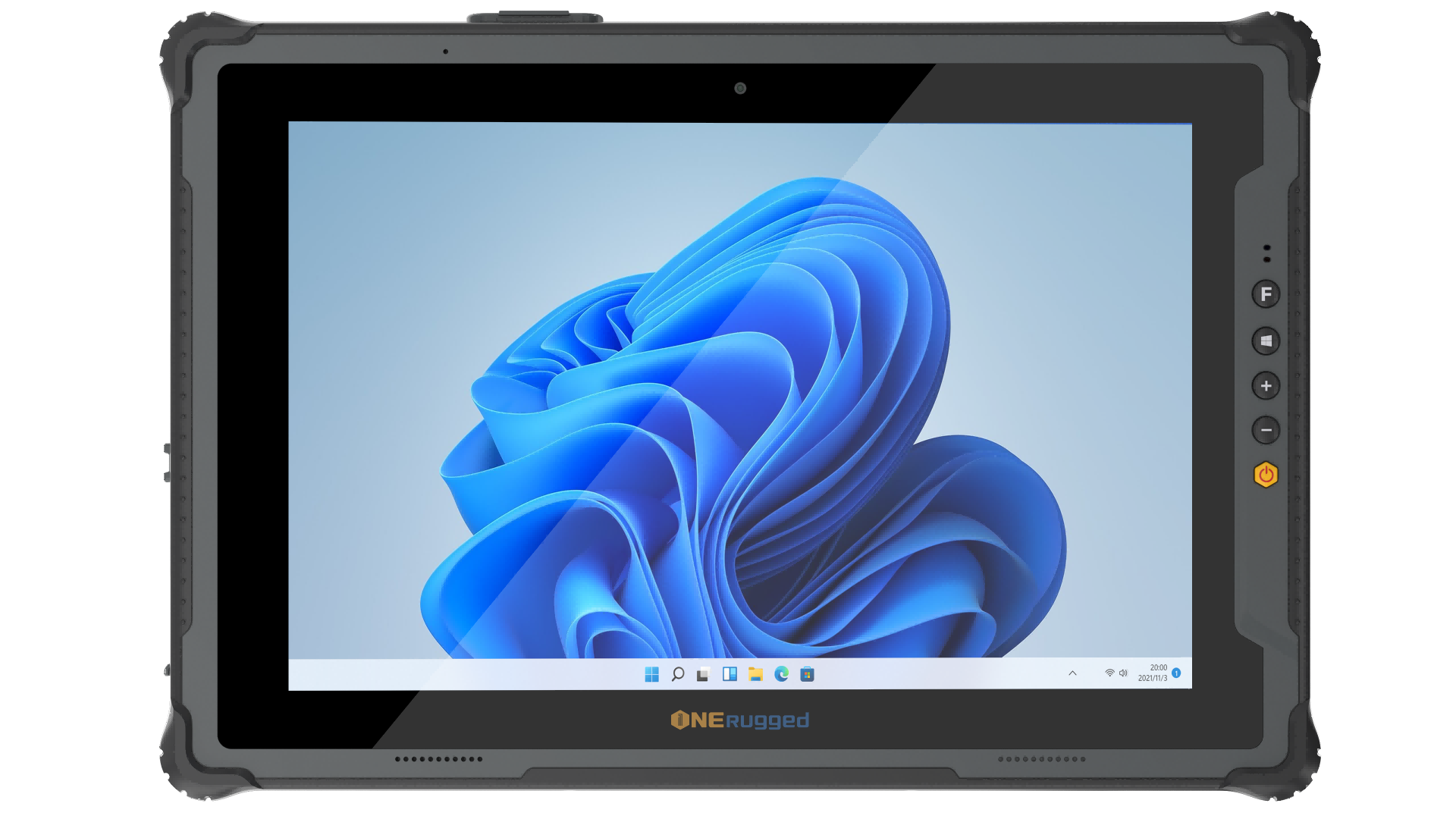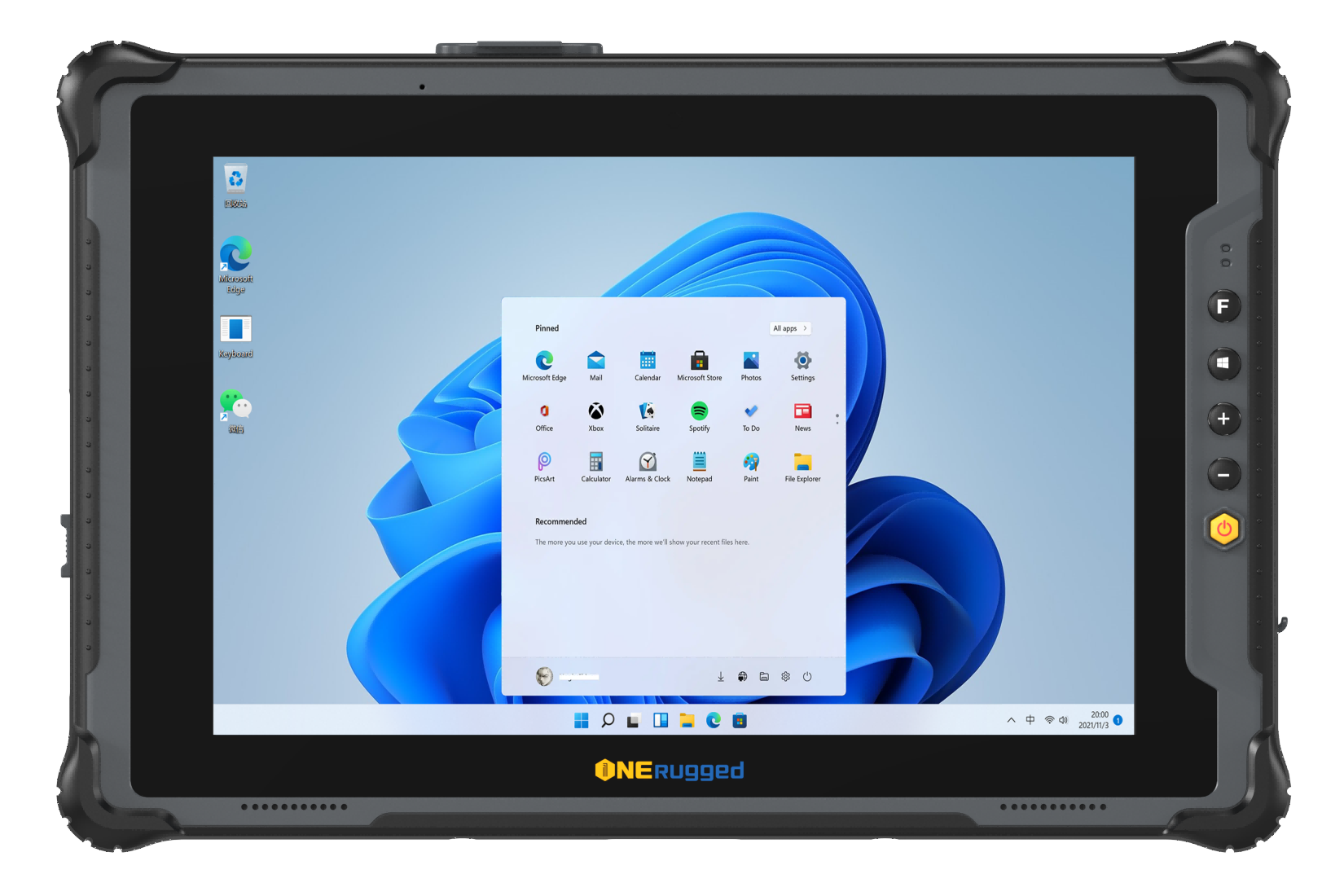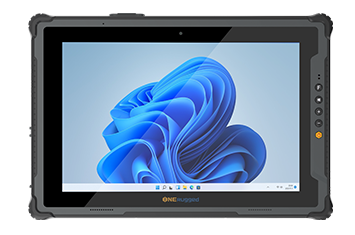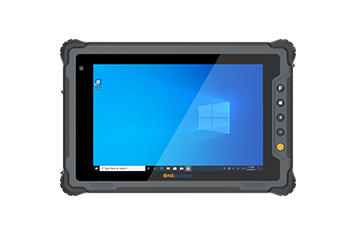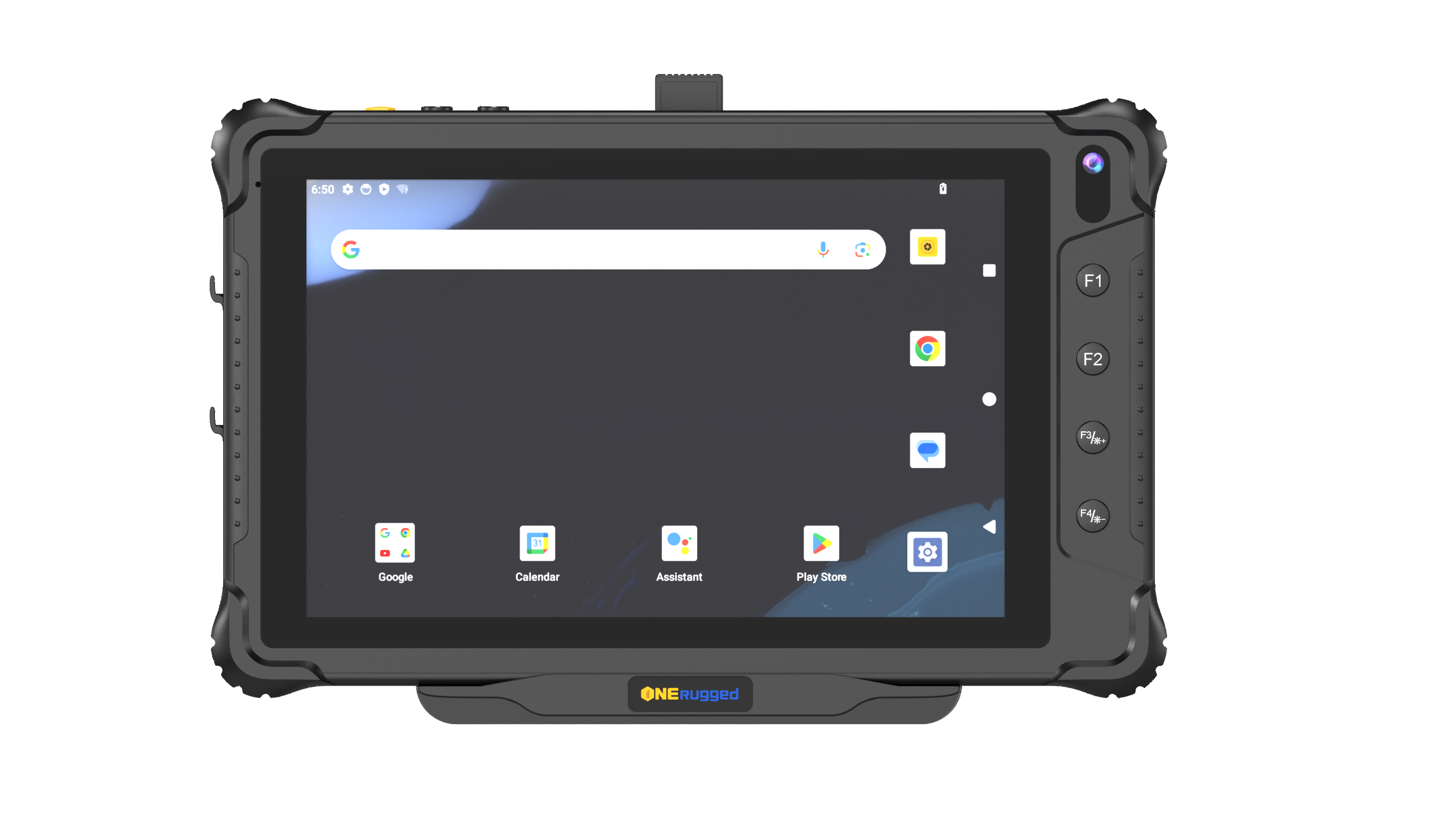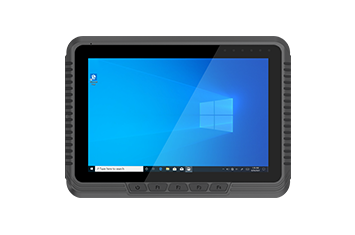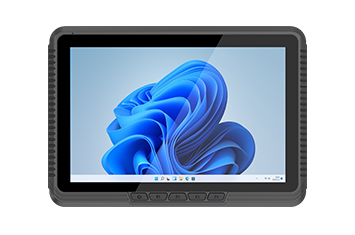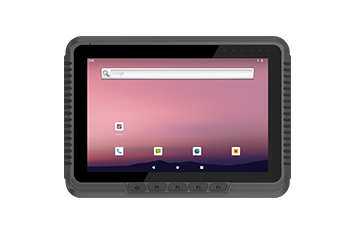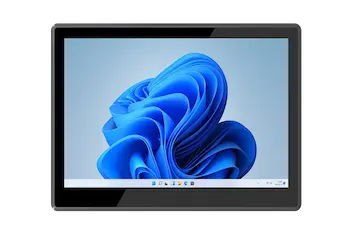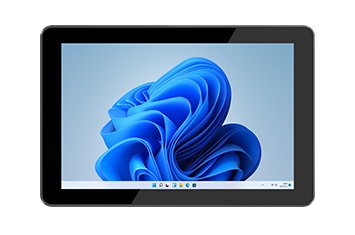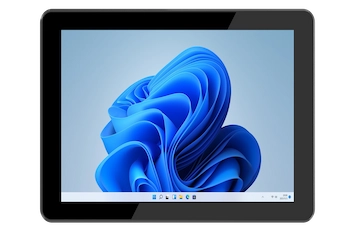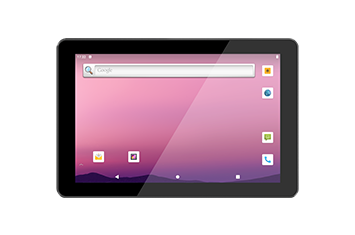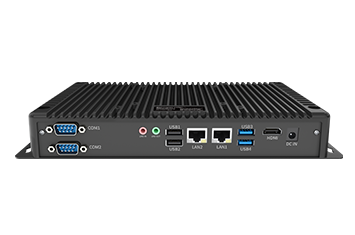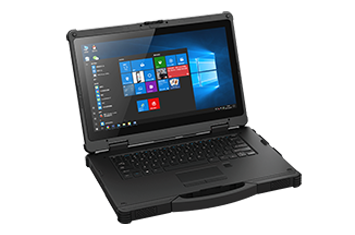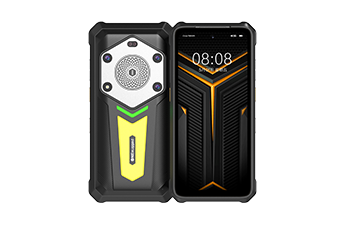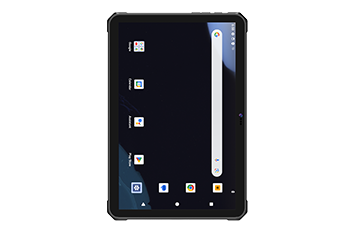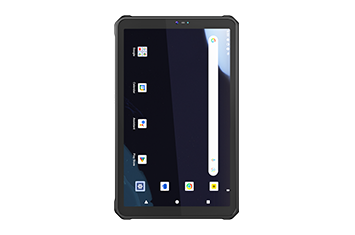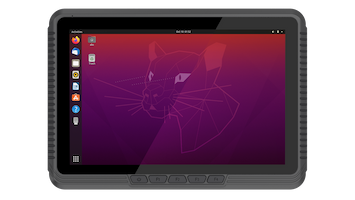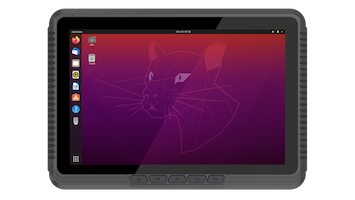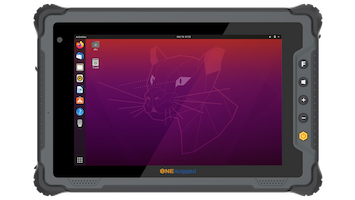

As modern industries accelerate toward digital transformation, the demand for computing systems capable of stable, uninterrupted performance has never been greater. From automated assembly lines and oilfield monitoring to heavy manufacturing and IoT-enabled smart operations, enterprises increasingly rely on the windows 11 industrial pc to run mission-critical tasks.
Among the many performance indicators that define a high-quality industrial computing platform, one factor stands out as foundational—its ability to operate reliably within extreme temperature ranges, particularly -20°C to 60°C.
This temperature tolerance is not just a technical specification; it is a key enabler of operational continuity in environments where heat, cold, and thermal fluctuation would immediately disable consumer-grade hardware. This article provides an in-depth exploration of why industrial control all-in-one computers excel in harsh temperature environments, how they deliver long-term stability, and what makes them indispensable across various industrial application scenarios.

Industrial environments are rarely temperature-controlled. Outdoor installations face seasonal extremes, while indoor production lines may experience persistent high heat. These harsh conditions pose significant risks to ordinary computing devices—overheating, material fatigue, frozen components, and rapid degradation.
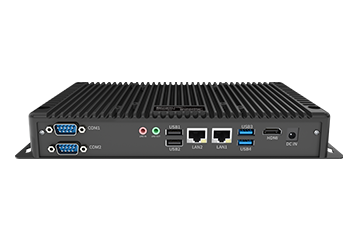
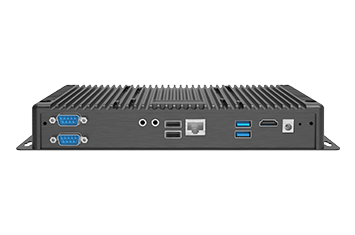
Whether deploying a touch-enabled interface or a headless rugged embedded box pc, industrial computers are equipped with high-reliability components that undergo strict quality screening and certification. Key features include:
High-temperature capacitors and chips that maintain electrical stability even under long-term thermal stress.
Industrial-grade PCB materials designed to resist warping, expansion, and micro-crack formation.
Solid-state storage that ensures stable read/write operations across wide temperature fluctuations.
Rigid connectors and reinforced interfaces that prevent contact failure caused by contraction or expansion.
These engineering details allow industrial PCs to maintain predictable performance where consumer devices commonly fail.
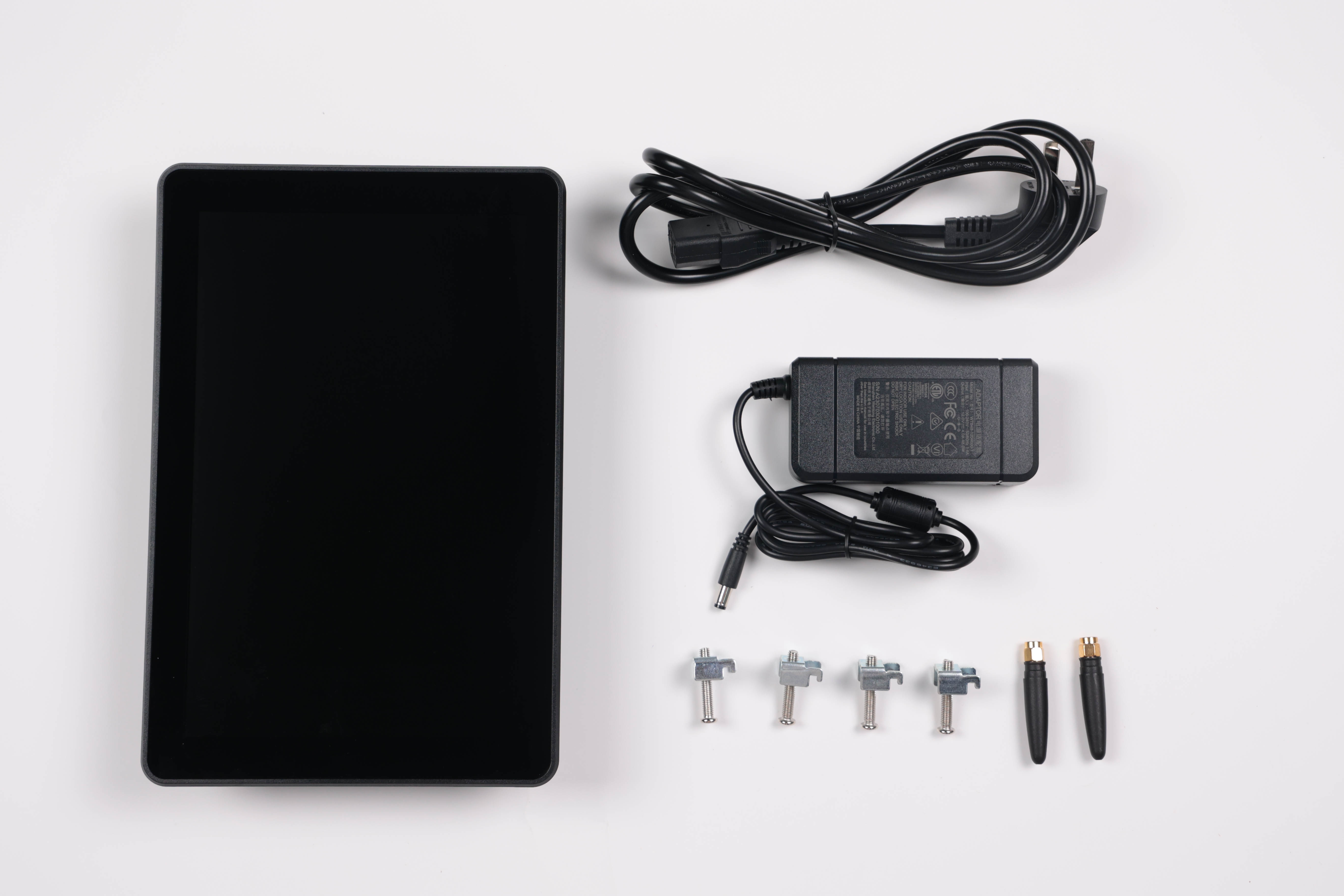
Heat management is critical to computing stability. Industrial control all-in-one computers, developed by leading rugged manufacturers like ONERugged, integrate advanced thermal solutions:
Fanless cooling structures that use passive heat dissipation fins, eliminating dust ingress and fan failure.
Intelligent heat conduction architecture, ensuring even heat distribution throughout the system.
Purpose-built ventilation pathways and thermal insulation layers to prevent component overheating.
Low-temperature boot mechanisms, enabling stable startup under sub-zero conditions.
This ensures industrial PCs can run continuously in environments where temperatures can swing drastically within minutes—such as oil rigs, metallurgical furnaces, or exposed outdoor facilities.
The ability to operate from -20°C to 60°C dramatically broadens the usage scenarios for industrial PC computers. Instead of being limited to climate-controlled facilities, these devices can be deployed in environments where extreme temperatures are the norm.
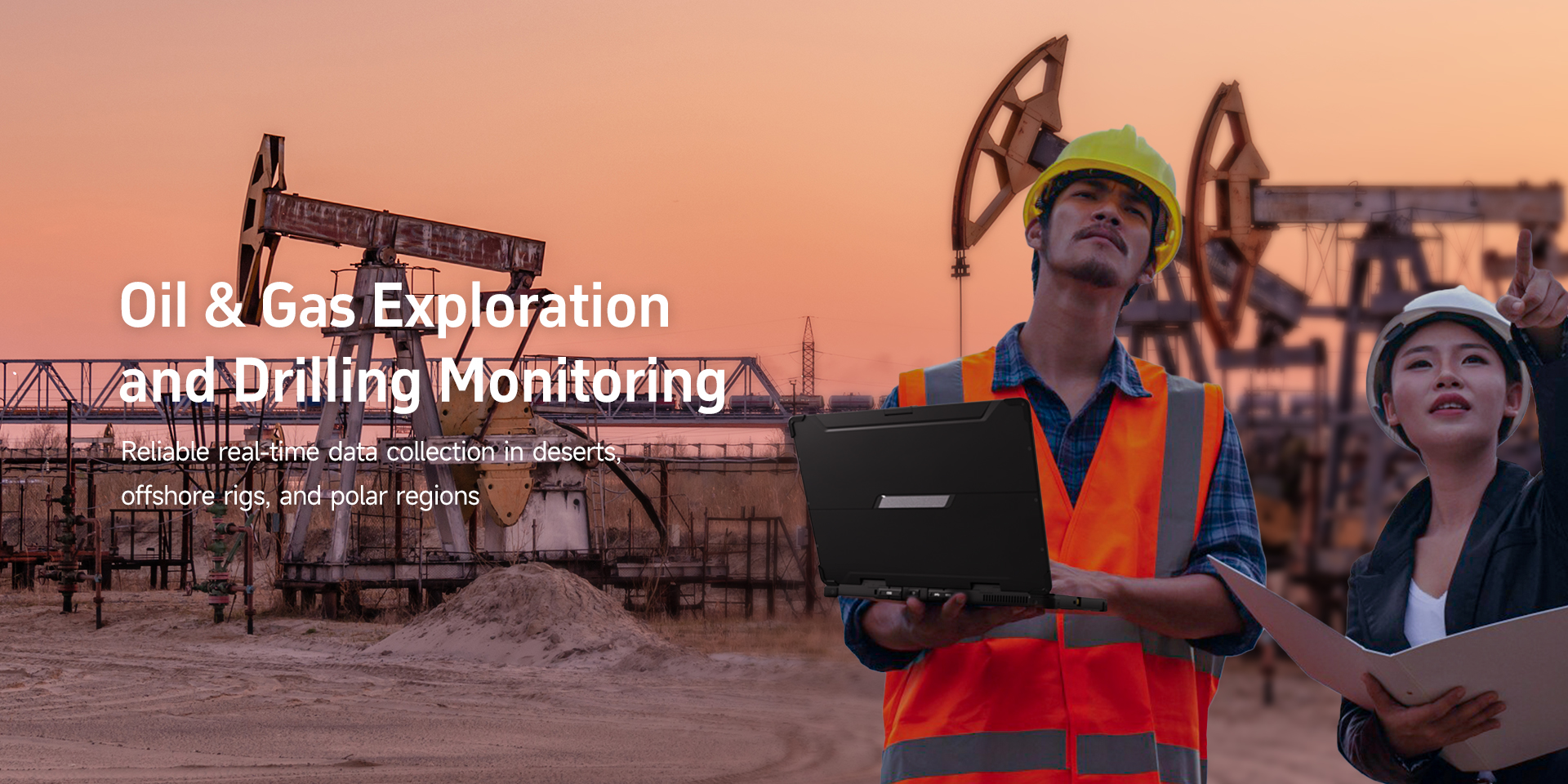
Oil and gas sites deal with harsh climates, from desert heat and direct sunlight to winter nights far below freezing. Industrial all-in-one PCs support real-time equipment monitoring, oil well data acquisition, and safety management systems. Their stability ensures that critical data remains accurate even when exposed to extreme environmental stress.
Steel plants and smelting facilities operate under constant high-temperature conditions. Industrial PC computers provide high-precision monitoring of thermal processes, coordination of automated machinery, and data visualization near furnaces or molten metal zones. Their heat-resistant architecture ensures safe, uninterrupted industrial automation.
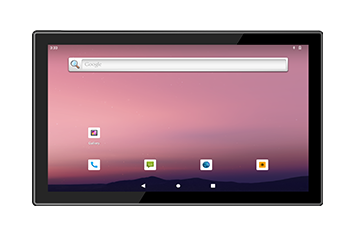
The rising adoption of Industrial IoT (IIoT) increases the demand for durable computing endpoints capable of real-time decision-making. In temperature-heavy automation environments, the classic industrial panel pc windows 10 or a modern industrial android panel pc serves as:
Edge computing nodes
SCADA and MES terminals
Robotic control interfaces
Discreet data processing hubs, often deployed as compact computadoras embebidas (embedded computers) for localized control.
Even during long production cycles, they maintain consistent performance regardless of environmental temperature shifts.
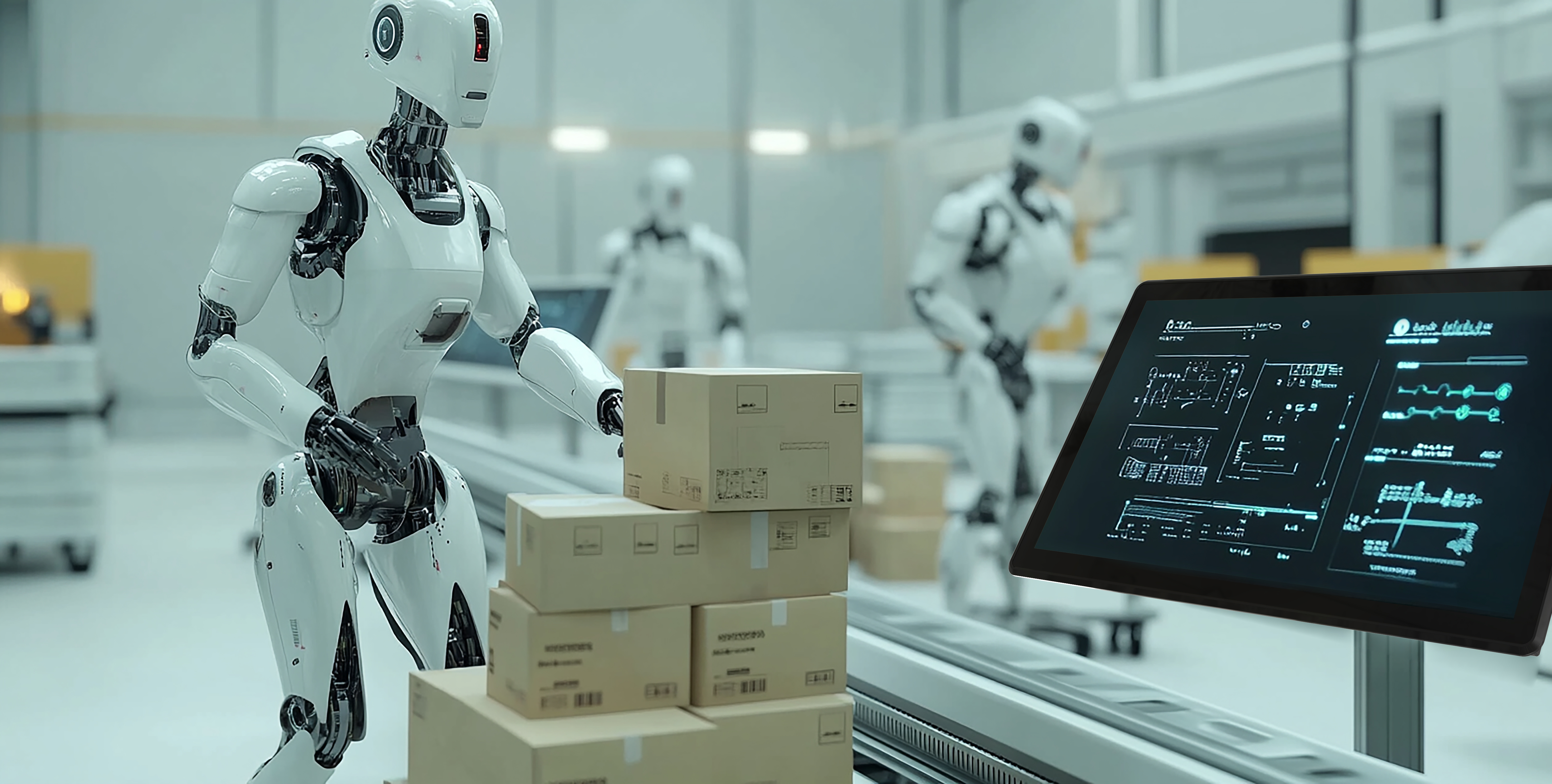
Harsh outdoor temperatures affect transportation hubs, logistics vehicles, mining sites, and railway operations. By mounting an in-vehicle tablet inside a forklift or utilizing a rugged tablet for construction on a building site, enterprises ensure:
Vehicle dispatch coordination
Route planning and load monitoring
Environmental sensing and safety alerts
Stability under prolonged sun exposure or winter frost.
Their ability to withstand thermal extremes ensures operational continuity across entire logistics chains.
One of the biggest advantages of industrial all-in-one PCs is their ability to maintain high computing power even under temperature stress.
These devices typically integrate high-performance industrial CPUs. For instance, computing platforms akin to rugged tablets with intel core i7 processors deliver massive data-handling capabilities alongside large-capacity RAM for multitasking and GPU acceleration for machine vision. Even when ambient temperatures approach operational limits, performance remains smooth—ensuring uninterrupted workflow execution.
Temperature does not affect algorithmic processing, machine vision analysis, or industrial protocol communication (Modbus, CAN, PROFIBUS). This makes industrial PCs essential for environments where real-time accuracy is non-negotiable.
Enterprises invest in industrial PCs not only for performance but for longevity. High-quality industrial devices deliver a long service life due to reinforced materials, deep resistance to dust and vibration, and lower failure rates. Every structural detail—from internal architecture to external housing—is designed to lower the total cost of ownership across long industrial deployment periods.
The ability of industrial PC computers to maintain stable performance in temperatures ranging from -20°C to 60°C makes them indispensable across modern industrial sectors. Their advanced thermal engineering, robust architecture, high processing performance, and long-term durability equip them to handle some of the world’s harshest environments. As industries continue moving toward smart automation and IoT-driven operations, industrial all-in-one PCs will remain a core backbone of industrial digitalization—ensuring reliability, efficiency, and long-term value in every application scenario.
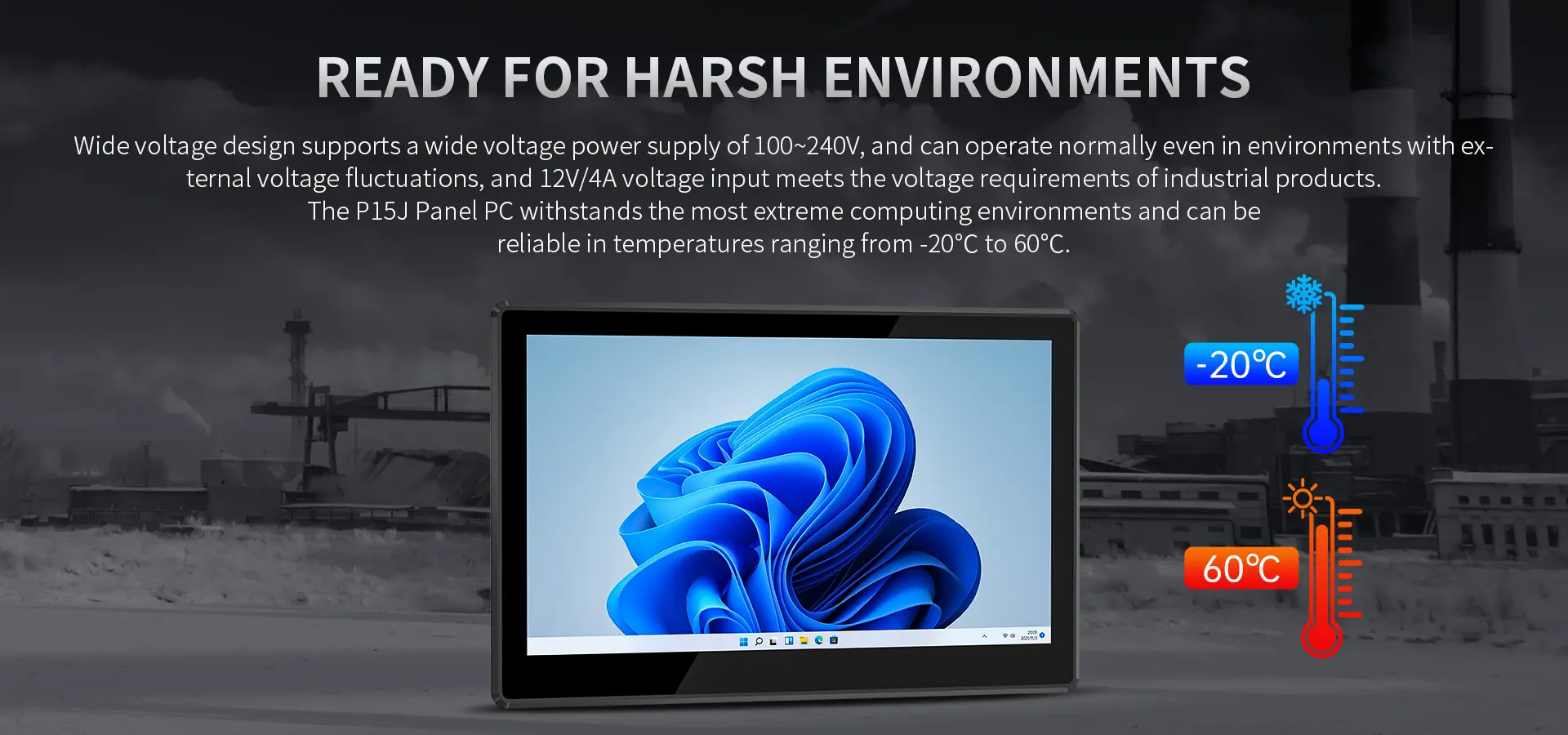
Industrial PC computers are engineered for harsh environments where dust, vibration, moisture, and extreme temperatures are common. Unlike consumer-grade devices, they use industrial-grade components, wide-temperature chips, and reinforced fanless housings to ensure stable performance in demanding industrial applications.
Many industrial environments—such as steel plants, cold chain logistics, and oil exploration sites—experience temperatures far beyond standard office conditions. A wide operating temperature range ensures that the industrial computer, like a rugged embedded box pc, can run continuously without overheating or freezing.
Yes. Industrial all-in-one computers are designed for uninterrupted 24/7 operation. Their fanless cooling structures and optimized heat dissipation systems allow them to handle high-intensity computing workloads around the clock, even in temperature-heavy environments.
Wide-temperature industrial PCs are essential for industries such as oil & gas monitoring, metallurgy, smart factories, transportation, and mining. Any operation exposed to heat, cold, dust, or mechanical shock benefits significantly from these rugged industrial computing solutions.
Industrial PCs incorporate advanced thermal designs, including fanless cooling systems, heat dissipation fins, metal chassis conduction, and optimized internal layouts that distribute heat evenly. These passive cooling systems prevent overheating and ensure long-term reliability even when ambient temperatures reach 60°C.