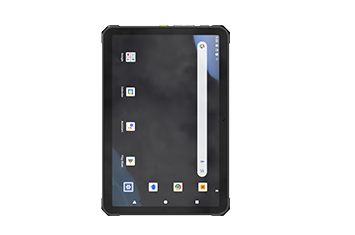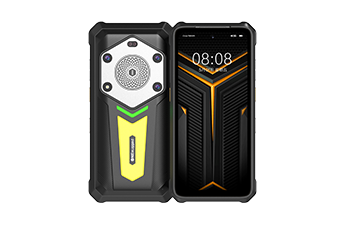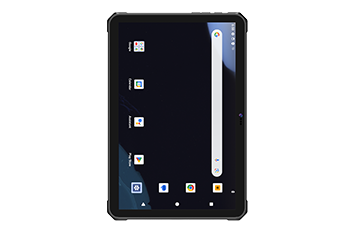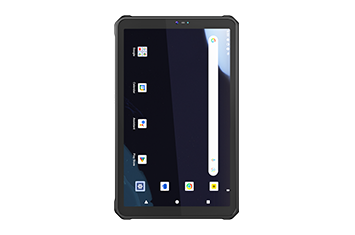

For police chiefs, fire captains, and EMS directors, provisioning mobile hardware is not merely an IT decision—it is a matter of life and death. First responders operate in chaotic, fast-paced environments where immediate access to critical data is required. When a standard commercial laptop is deployed into an active fireground or a high-speed pursuit vehicle, it inevitably succumbs to kinetic impacts, thermal extremes, and moisture, severely slowing down dispatch times and compromising civilian safety.
To guarantee real-time situational awareness and eliminate hardware-induced blind spots, public safety agencies are standardizing their fleets on the rugged laptop for public safety. Operating as a specialized first responder mobile workstation, these heavily armored devices connect central command directly to the frontline, providing data-driven decisions at a moment’s notice.
The modern emergency response landscape requires hardware that can keep pace with unpredictable threats. A purpose-built ruggedized public safety PC tackles three primary operational challenges:
In situations where lives are on the line, buffering is unacceptable. First responders require uninterrupted connection to the FirstNet Device Ecosystem via 5G LTE networks. This allows for lightning-fast transmission of photos, suspect data, and in-car digital video recording footage between field officers and the emergency operations center (EOC). Furthermore, integration with precise GNSS/GPS tracking ensures rapid routing for search and rescue (SAR) and immediate computer-aided dispatch integration.
Every day, embedded analytics are helping public safety workers transition from reactive to proactive strategies. By utilizing edge AI processing, command centers can analyze traffic data, historical crime maps, and live sensor feeds to deploy assets before an incident escalates. This type of processing requires a mobile workstation with the thermal capacity to run heavy AI algorithms without crashing.
With the increasing use of body-worn cameras and dash-cams, data transparency is paramount for maintaining public trust and preventing misconduct liabilities. However, this data is highly sensitive. Public safety laptops must guarantee absolute security, featuring CJIS compliance, FIPS 140-2 validation, and TPM 2.0 hardware security. Deep Mobile Device Management (MDM) integration allows administrators to enforce biometric authentication or initiate secure data zeroization if a device falls into the wrong hands.
When calculating Total Cost of Ownership (TCO), procurement officers must align the hardware's durability class with the specific operational environment.
| Feature Specification | Semi-Rugged Laptop | Fully Rugged Laptop |
| Environmental Protection | Spill-resistant keyboard; IP53 rating | IP66 ingress protection; completely dust and water-tight |
| Durability Standard | Standard transit drop resistance (3 ft) | MIL-STD-810H; survives 4–6 foot drops; shockproof solid state drive |
| Power Architecture | Internal battery, moderate lifespan | Hot-swappable dual battery for 24/7 multi-shift operations |
| Primary Deployment | Law enforcement patrol (in-cab use), supervisor vehicles | EMS patient care, fire service incident command, tactical outdoors |
| Financial Impact | Lower initial CapEx; sufficient for protected environments | Higher CapEx; lowest TCO for severe outdoor hazard zones |
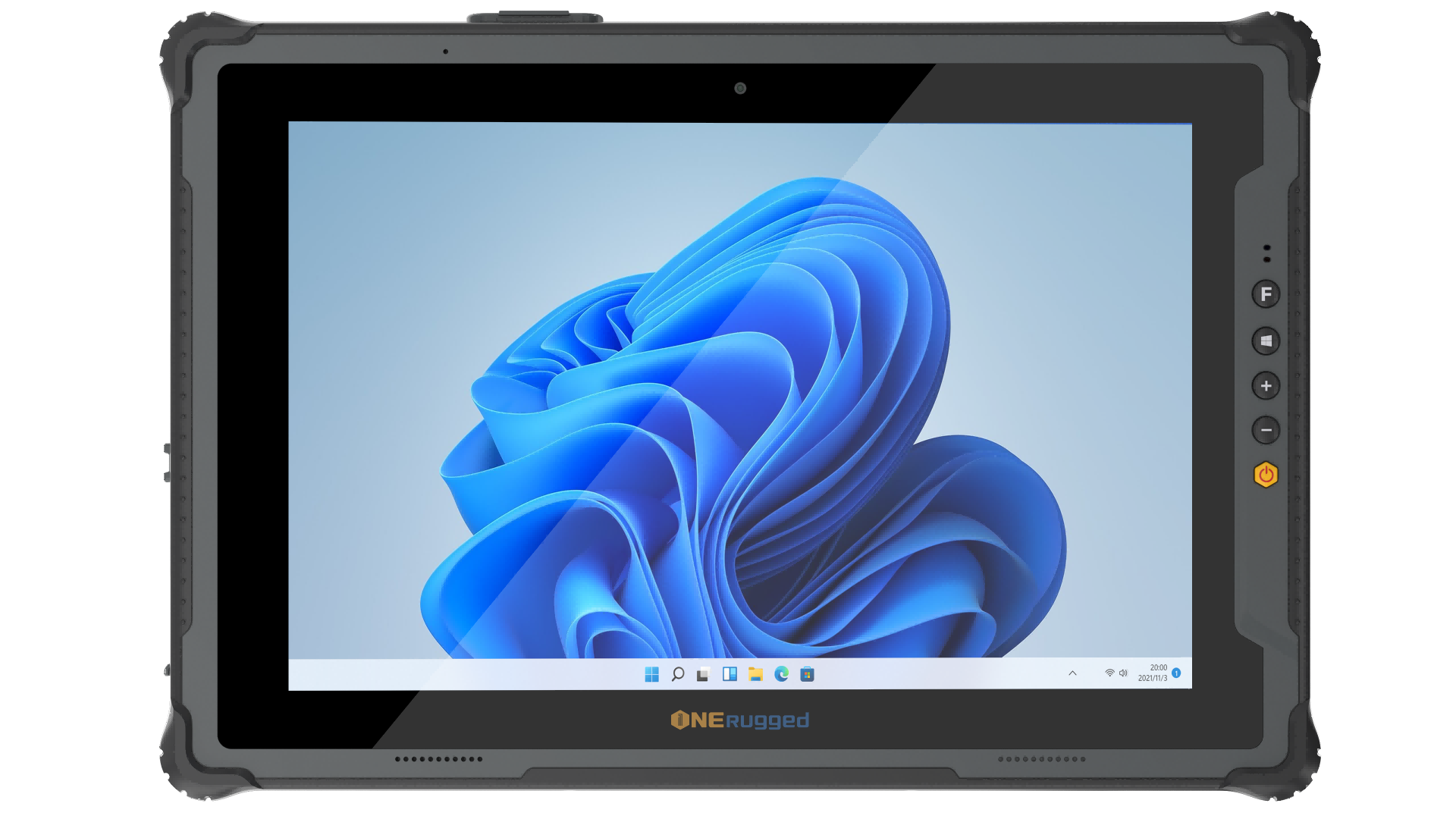
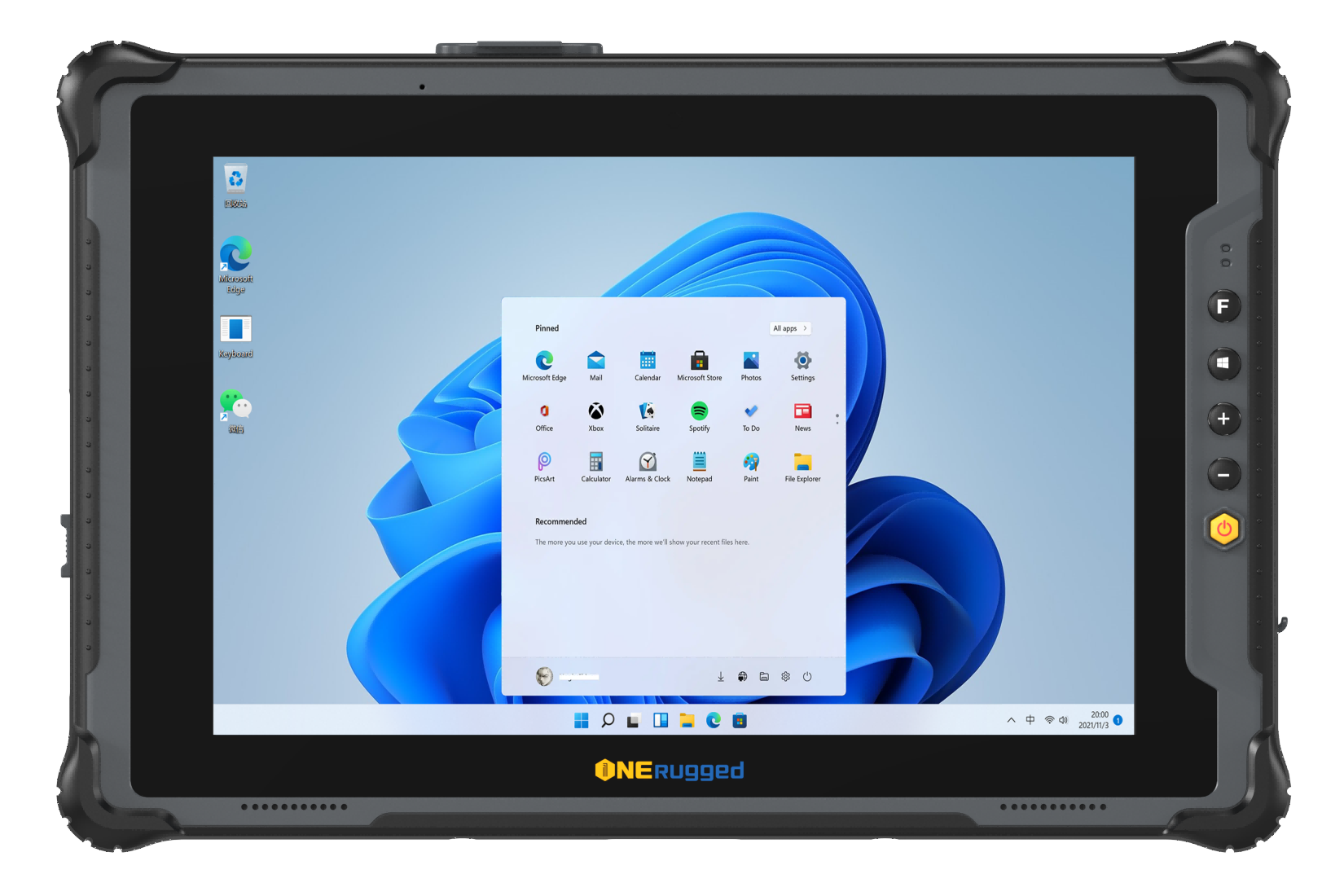
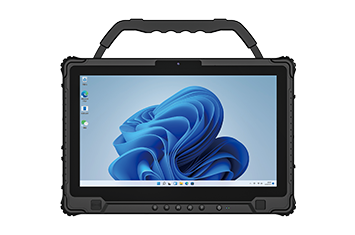
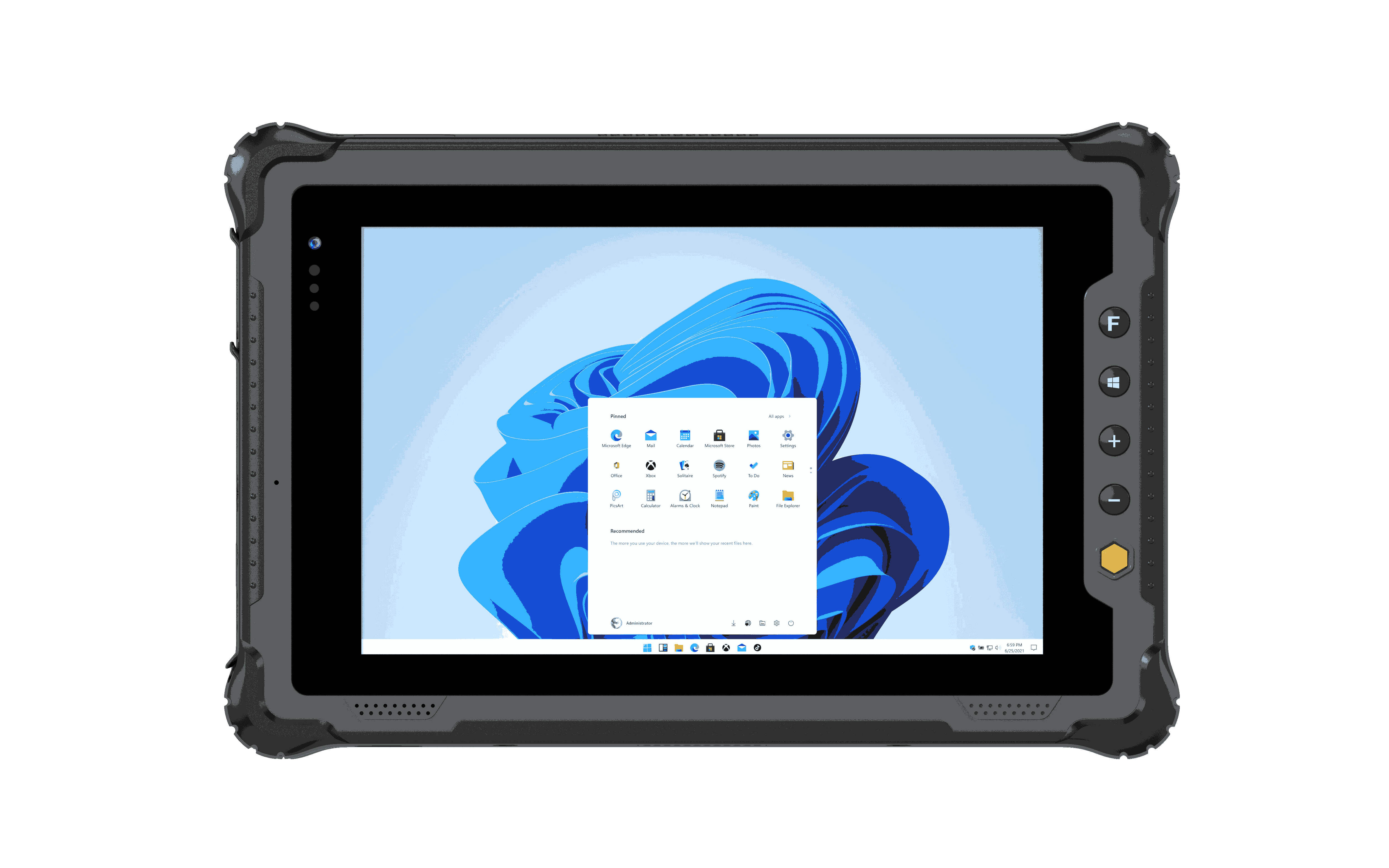
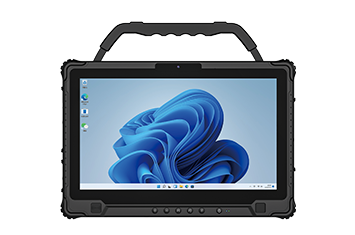
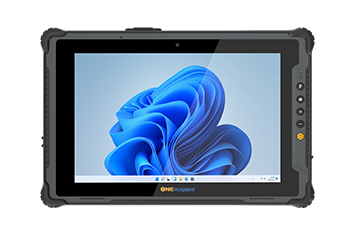
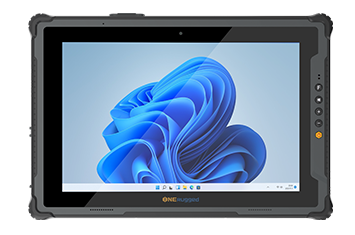
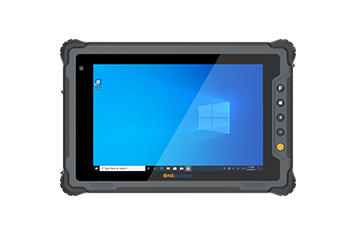
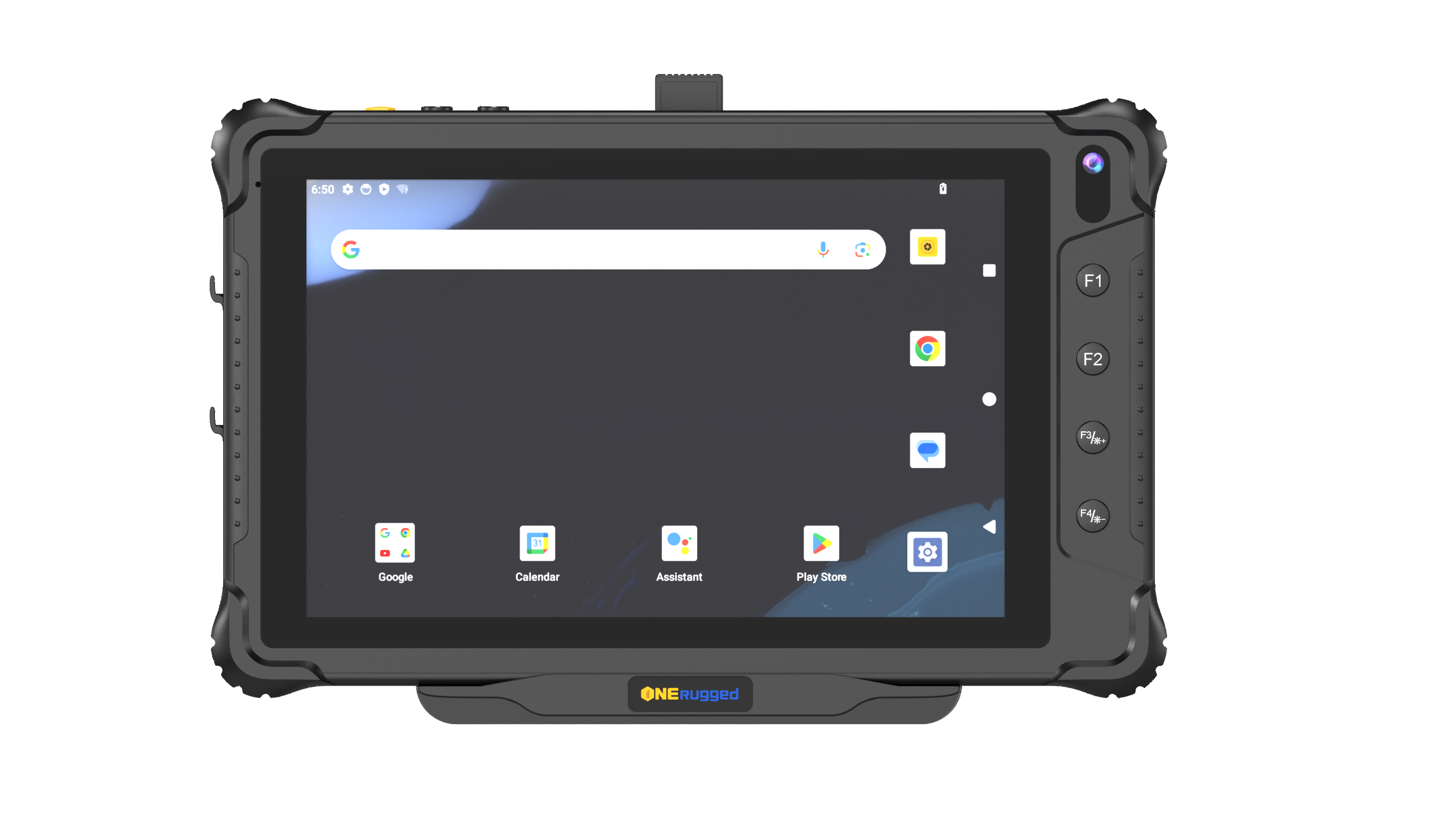
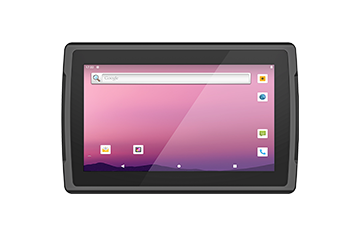
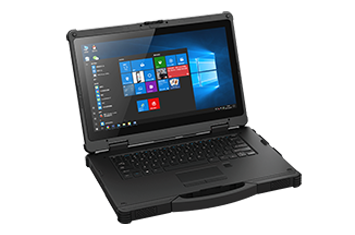
Modern agencies require hardware that bridges the gap between rugged durability and cutting-edge processing. Below are the top selections for a modern police rugged laptop or EMS rugged computer:
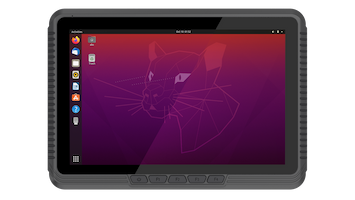
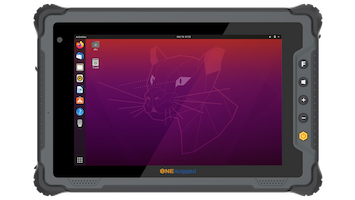
For agencies operating highly customized, open-source dispatch software or requiring absolute control over their operating system telemetry, the
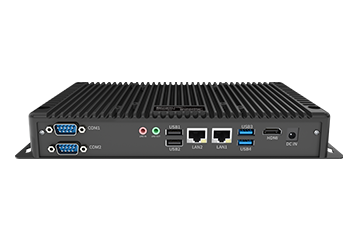
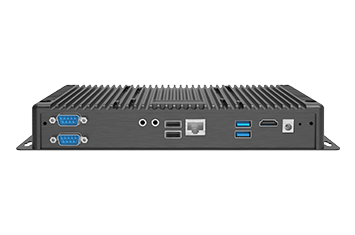
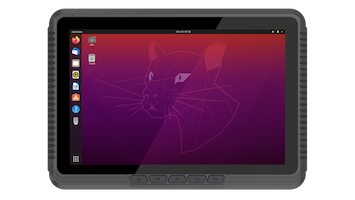
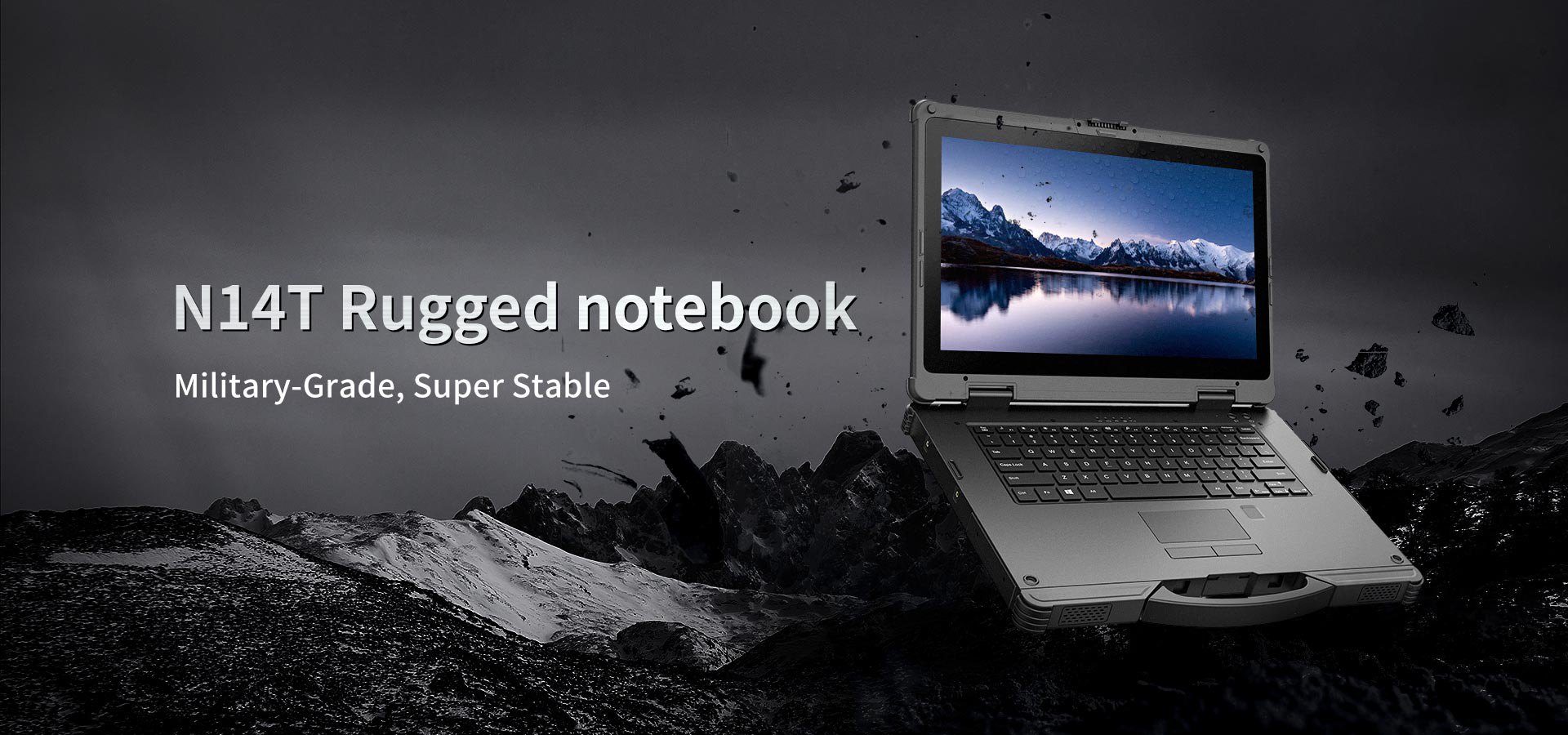
This fully rugged MDT (Mobile Data Terminal) is engineered for absolute survivability. It features a completely fanless thermal design and extreme temperature tolerance, ensuring stability whether deployed in a freezing SAR operation or a sweltering command tent. The native Linux architecture allows agency IT teams to strip out unnecessary background processes, drastically reducing the cyber-attack surface. Equipped with a brilliant 14-inch display, rich legacy I/O ports, and robust TAA compliance capabilities, the N14T is the ultimate platform for secure, uninterrupted public safety data operations.
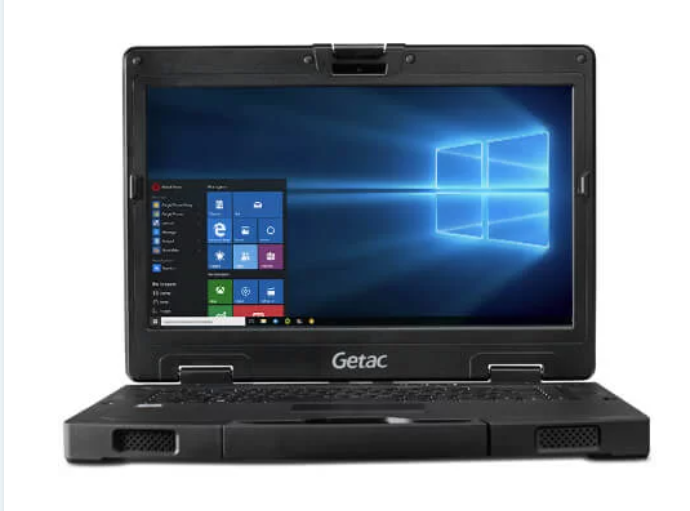
The Getac S410 is highly optimized for task forces that primarily require an in-vehicle tablet and rarely take the display into harsh outdoor field conditions. Designed to stay docked within the patrol cruiser, it balances a more affordable price tag with a highly readable 14-inch sunlight-readable display. While it does not offer the extreme submersible ratings of a fully rugged device, its semi-rugged chassis effortlessly absorbs the constant vibration of high-speed driving and daily patrol abuse.
Even the best rugged laptop is only half of the solution. Transitioning to a fully functional MDT requires seamlessly integrating the computer with docking stations, rugged keyboards, and vehicle power supplies.
Partnering with mounting experts like Gamber-Johnson and Havis ensures your devices lock securely into the vehicle console, providing pass-through antenna connections for enhanced 5G and GPS signal strength. Furthermore, integrating a smart card reader or CAC reader into the mounting ecosystem ensures officers can authenticate seamlessly before beginning their shift.

Mounting a laptop inside a police vehicle requires more than just a metal bracket. The device must pass MIL-STD-461G EMI/EMC testing to guarantee it does not emit electromagnetic interference that could disrupt the vehicle's two-way police radios or radar equipment. Additionally, the dock must feature heavy-duty port replication, key-locking security to prevent theft, and crash-test certifications to ensure the laptop does not become a lethal projectile during a collision.
Modern rugged laptops feature Neural Processing Units (NPUs) that execute AI algorithms locally on the device (Edge AI). This allows the laptop to instantly process Automated License Plate Recognition (ALPR) video feeds, run facial recognition algorithms, or parse complex sensor data without waiting for a cloud server response. This zero-latency processing is critical when split-second decisions are required.
Yes. Many modern rugged laptops and tablets feature integrated push-to-talk (PTT) capability via specialized hardware buttons. When connected to public safety broadband networks like FirstNet, these devices can interoperate with traditional Land Mobile Radio (LMR) systems, ensuring seamless voice communication across the entire force.
Discover Onerugged’s rugged computing solutions, enterprise deployment services, industrial application cases, and customized mobility strategies for warehouse, manufacturing, logistics, and field operations.