
In modern manufacturing facilities, the convergence of Information Technology (IT) and Operational Technology (OT) is accelerating. However, a critical disconnect often occurs at the edge: the hardware deployed on the shop floor. Standard commercial laptops are engineered for climate-controlled offices, not the hostile realities of a heavy industrial environment. When exposed to relentless vibration, airborne particulates, and chemical spills, consumer-grade hardware inevitably fails, leading to catastrophic production downtime and compromised data security.
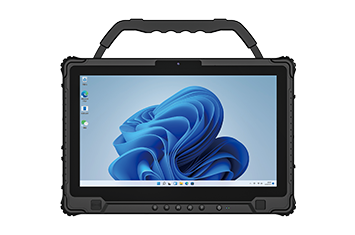
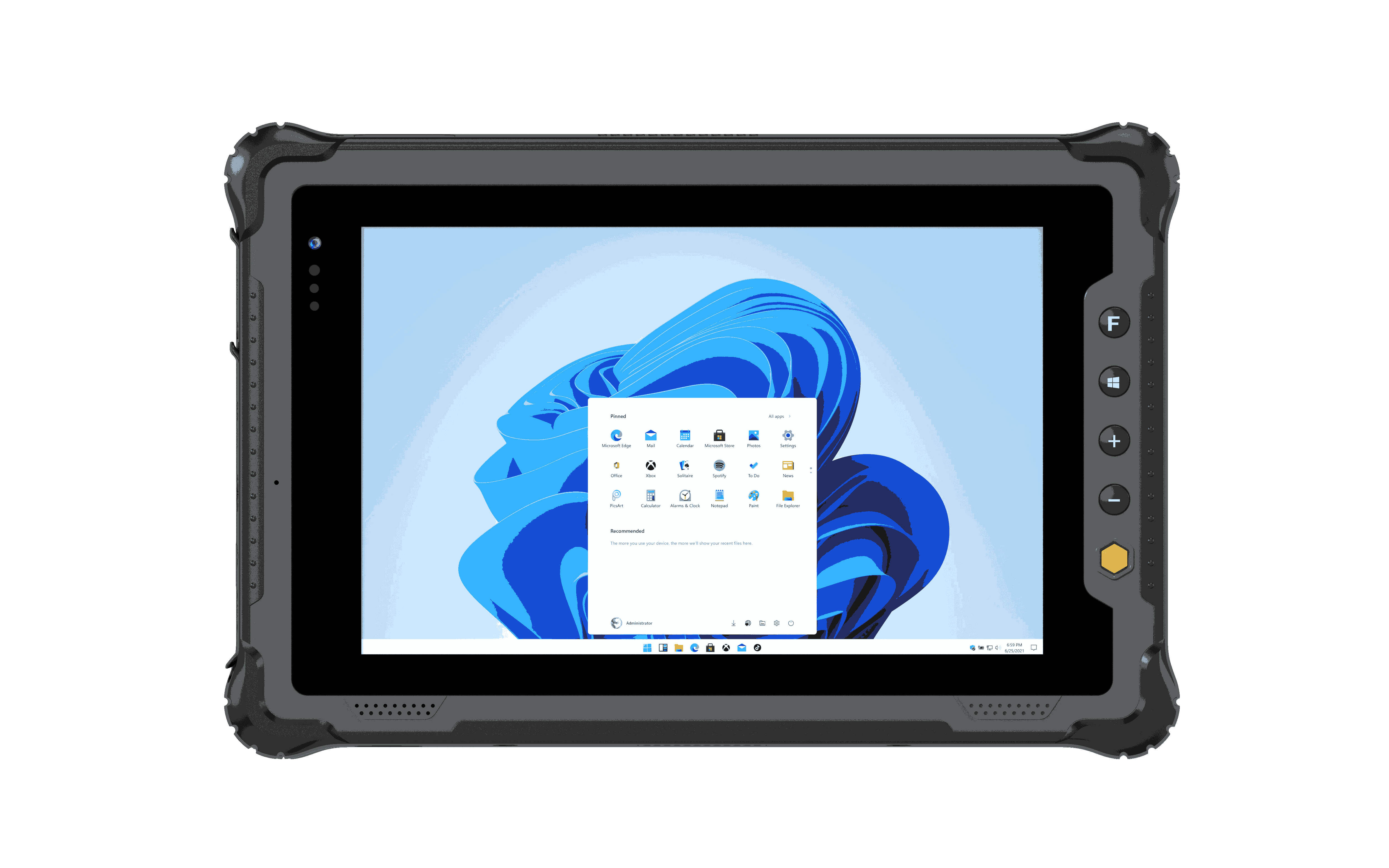
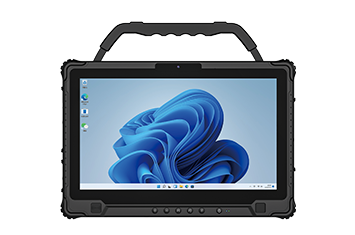
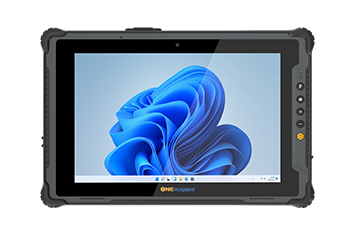
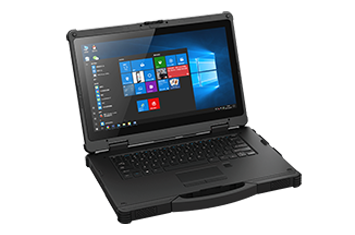
To ensure continuous uptime and seamlessly execute lean manufacturing principles, industrial solution architects are transitioning their frontline engineering teams to the rugged laptop for manufacturing. Functioning as an uncompromised industrial mobile workstation, these heavy-duty devices provide the processing horsepower required for complex engineering design and the physical resilience to survive the assembly line.
Deploying an enterprise rugged computer requires a thorough understanding of the environmental hazards that destroy standard commercial electronics. A deployment-ready heavy-duty laptop must be engineered to survive:
Continuous Mechanical Stress: From heavy stamping presses to automated assembly lines, factory floors generate relentless low-frequency vibration that fractures commercial motherboards and dislodges internal components.
Particulate Ingress: Airborne metal shavings, fiberglass dust, and cardboard particulate easily bypass standard cooling fans, causing immediate short circuits.
Thermal Shock and Chemical Exposure: Devices must survive rapid temperature fluctuations near blast furnaces or industrial freezers, alongside accidental exposure to machine coolants, hydraulic oil, and industrial solvents.
Kinetic Impacts: Technicians frequently drop devices from ladders or scaffolding during equipment maintenance operations.
A true factory floor laptop is not merely a durable screen; it is a critical interface for Industrial IoT (IIoT) integration and complex machine management.
Maintenance engineers rely on rugged laptops to connect directly to Programmable Logic Controllers (PLCs) and CNC machinery. Utilizing native legacy ports, they can execute deep machine diagnostics, calibrate robotics, and troubleshoot proprietary industrial protocols without relying on fragile USB dongles.
Shift supervisors and floor managers utilize these devices as mobile command centers. By integrating with the facility's Manufacturing Execution System (MES) and SCADA networks, they can conduct real-time production monitoring, track Overall Equipment Effectiveness (OEE), and rapidly respond to assembly line bottlenecks.
Industrial engineers require immense processing power at the edge. A rugged laptop equipped with an Intel Core Ultra processor enables engineers to render 3D AutoCAD models, review complex digital blueprints, and process localized machine vision data directly on the shop floor.
When conducting a Total Cost of Ownership (TCO) analysis, the high failure rates and subsequent production delays associated with consumer hardware vastly outweigh their initial lower purchase price.
| Feature Specification | Standard Commercial Laptop | Rugged Laptop for Manufacturing |
| Mechanical Durability | Fragile plastic chassis; vulnerable to vibration | MIL-STD-810H certified; reinforced magnesium alloy chassis |
| Environmental Sealing | Unsealed cooling vents; ingests metal dust and oil | IP65 ingress protection; sealed fanless thermal design |
| Power Architecture | Internal sealed battery; requires wall tethering | Hot-swappable dual battery for 24/7 continuous shift operation |
| Peripheral I/O Connectivity | Limited to USB-C; relies on easily broken adapters | Native RS232 (Serial), RJ45, and dedicated smart card readers |
| Display Visibility | High glare under intense factory lighting | 1000+ nits brightness, anti-glare, capacitive glove touch |
To guarantee maximum ROI, IT procurement teams must evaluate hardware against specific industrial performance benchmarks:
Uncompromised Processing Power: Running complex MES dashboards or 3D rendering software requires robust silicon. Recommended specifications include modern Intel Core i5/i7 processors, 16GB to 32GB of RAM, and high-speed NVMe SSD storage.
Advanced Touch Interfaces: Floor operators cannot constantly remove heavy PPE. The display must support capacitive glove touch and wet-tracking modes, ensuring the touchscreen remains responsive even when coated in machine oil or water.
Continuous Power Delivery: Assembly lines run 24/7. Integrating a hot-swappable dual battery architecture allows technicians to exchange a depleted battery cell for a fully charged one mid-shift, without shutting down the operating system or interrupting a critical PLC firmware flash.
For a heavy manufacturing environment, an IP65 ingress protection rating is the absolute minimum requirement. The "6" indicates the device is completely "dust-tight," meaning ultra-fine metallic dust cannot penetrate the chassis and cause electrical shorts. The "5" ensures the device can withstand low-pressure water jets and direct liquid spills, protecting it against accidental exposure to machine coolants or hydraulic oil.
Because factory floor laptops connect directly to critical industrial infrastructure, they require robust cybersecurity. TPM 2.0 hardware security cryptographically secures user credentials and ensures the device has not been tampered with via a secure boot sequence. When paired with an MDM platform like SOTI MobiControl, IT administrators can lock the device into "kiosk mode" (restricting operators to specific MES applications), push over-the-air security patches, and instantly execute a remote data wipe if the device is lost or stolen.
While modern IT infrastructure relies on Ethernet and Wi-Fi, the majority of industrial machinery (such as legacy PLCs, CNC controllers, and specialized diagnostic tools) still communicate via RS232 or RS485 serial connections. A native, hardwired serial port guarantees a stable, zero-latency connection during critical programming, whereas consumer USB-to-Serial dongles frequently disconnect due to vibration, risking catastrophic firmware corruption.
In the high-stakes environment of heavy manufacturing, technology must be as resilient as the industrial machinery it controls. Transitioning from fragile commercial electronics to purpose-built, heavily armored mobile computing platforms is the most effective strategy to eliminate hardware-induced downtime and accelerate your digital transformation.
Explore
Discover Onerugged’s rugged computing solutions, enterprise deployment services, industrial application cases, and customized mobility strategies for warehouse, manufacturing, logistics, and field operations.