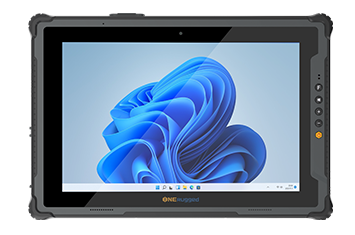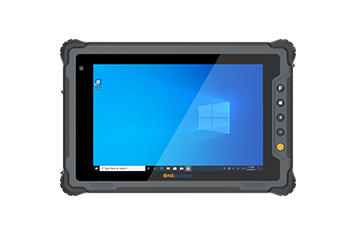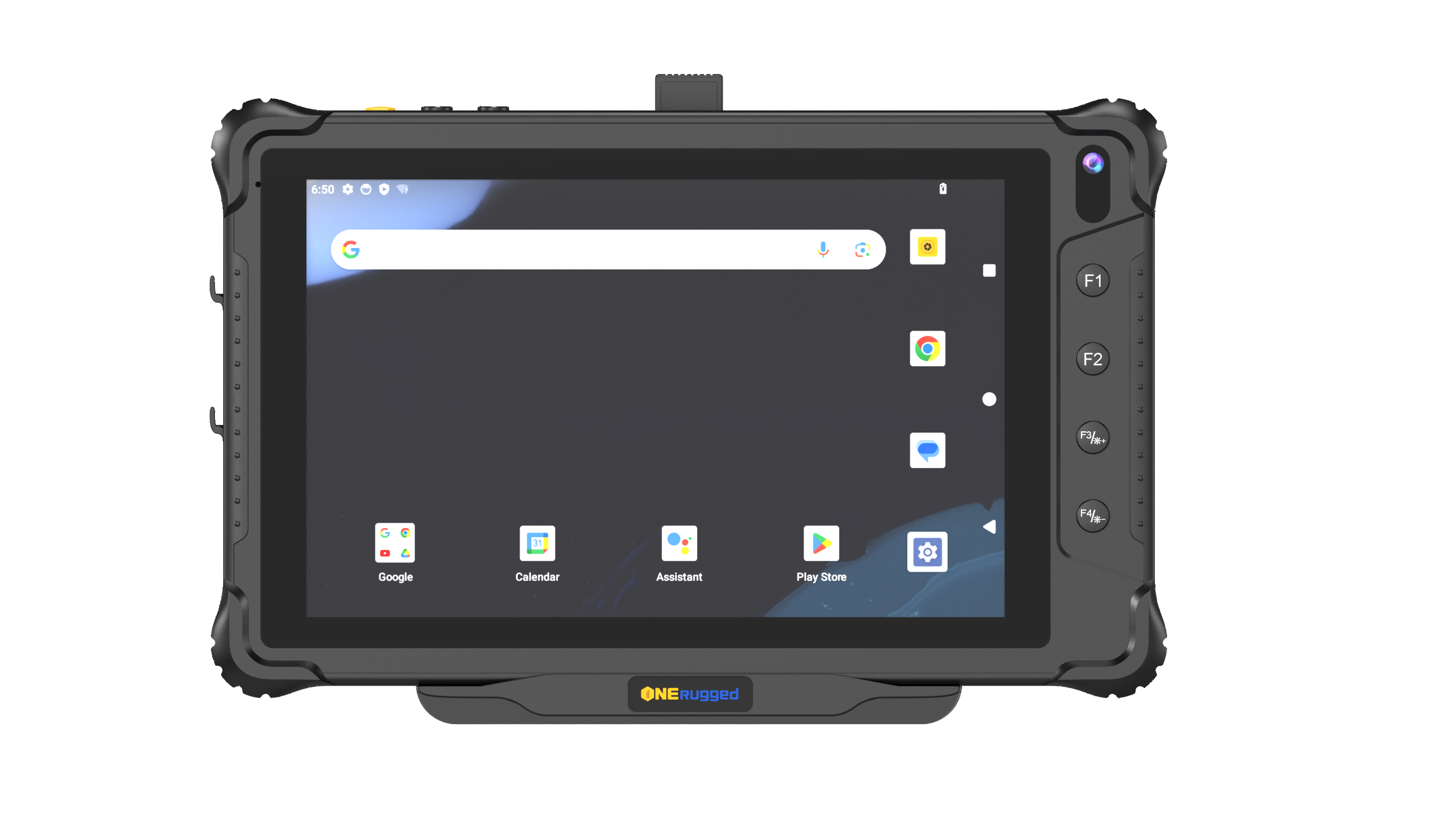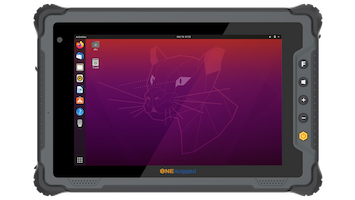

For industrial solution architects and enterprise IT directors, provisioning mobile computing hardware for extreme outdoor environments is a high-risk operational challenge. Deploying a standard commercial laptop to a remote logging site, an offshore oil rig, or an active wildfire zone is an operational liability. Consumer-grade hardware inevitably succumbs to kinetic impacts, thermal throttling, and moisture ingress, leading to catastrophic data loss and crippling project delays.
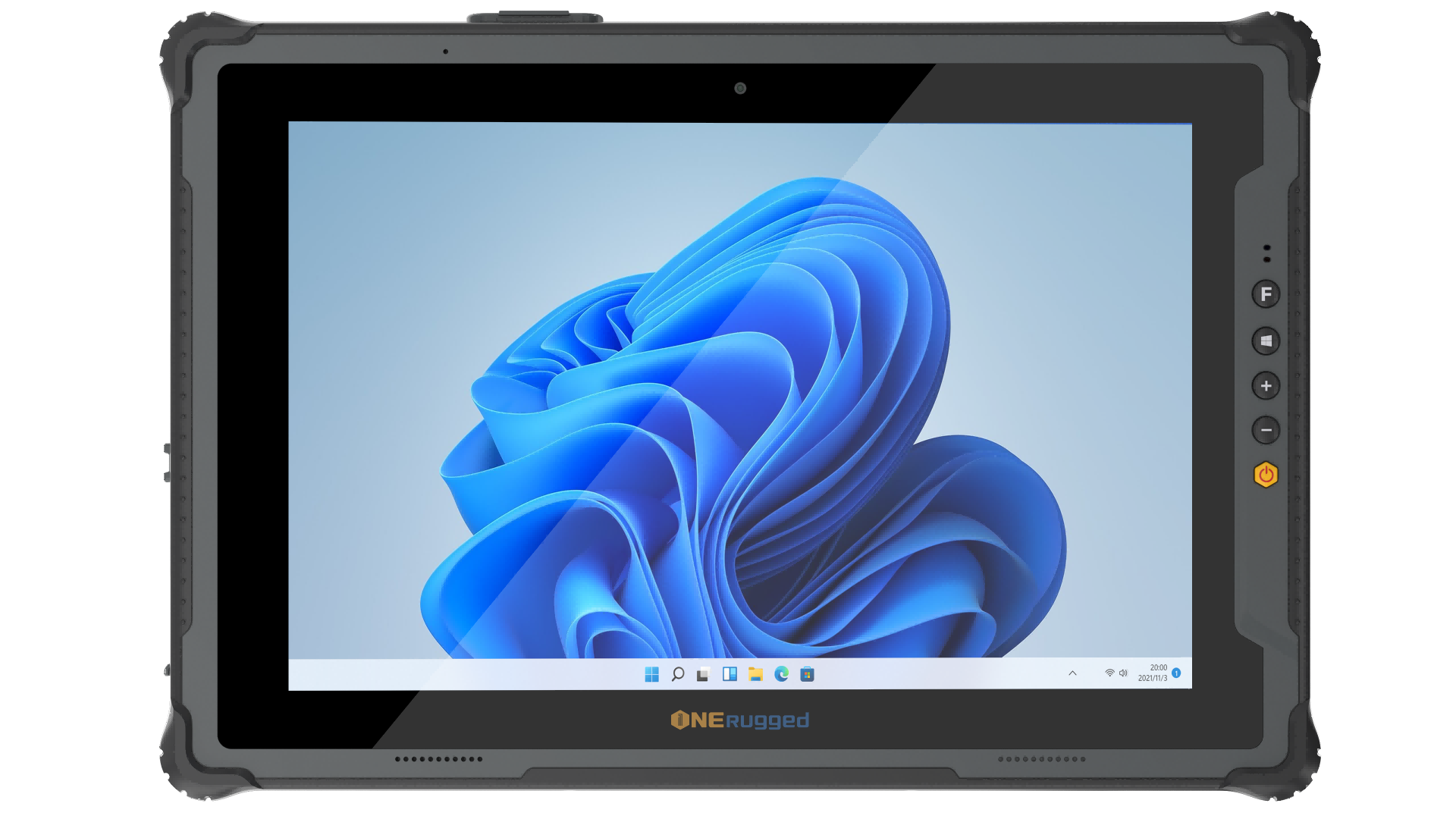
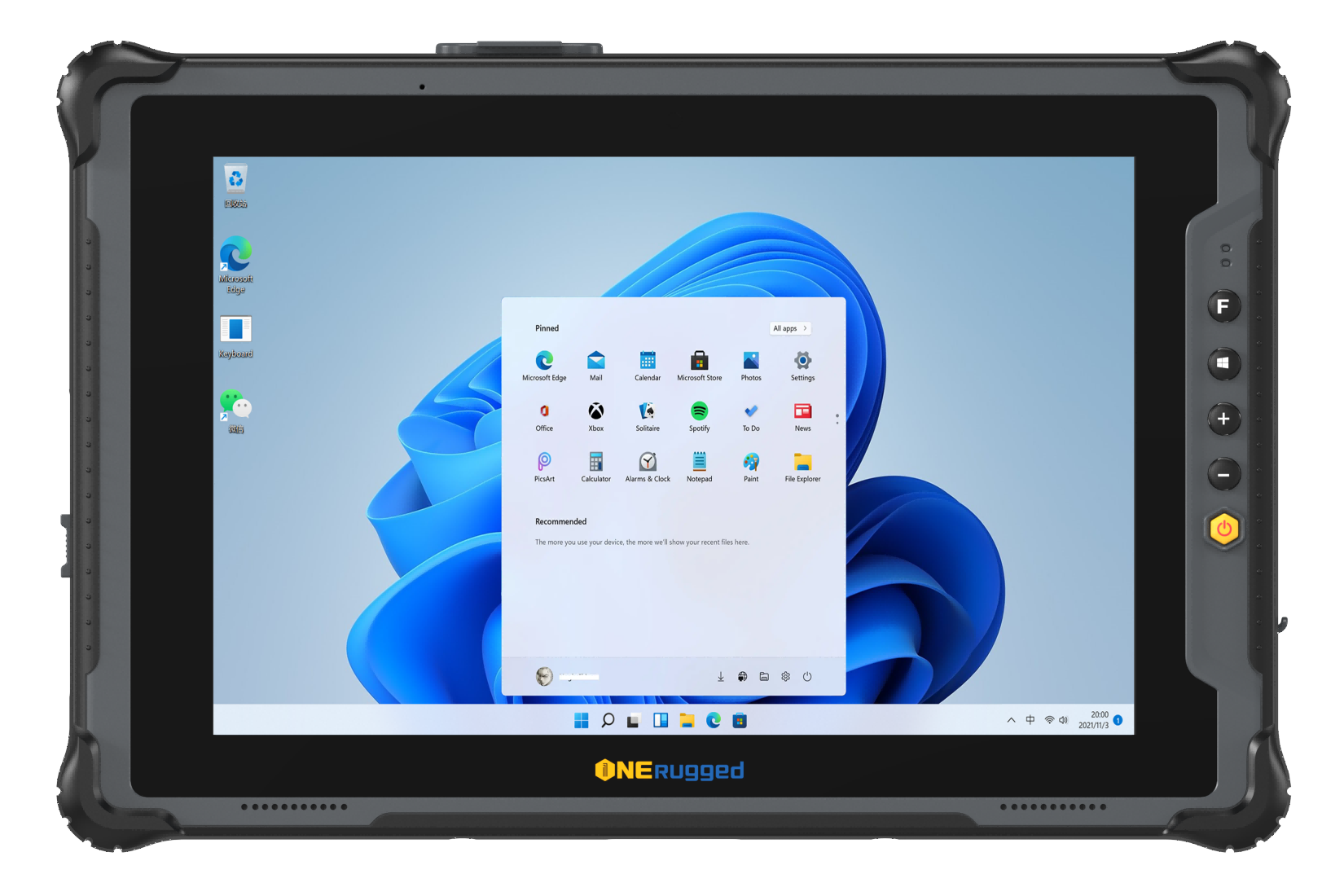
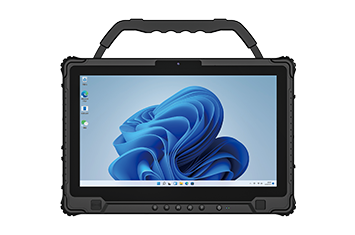
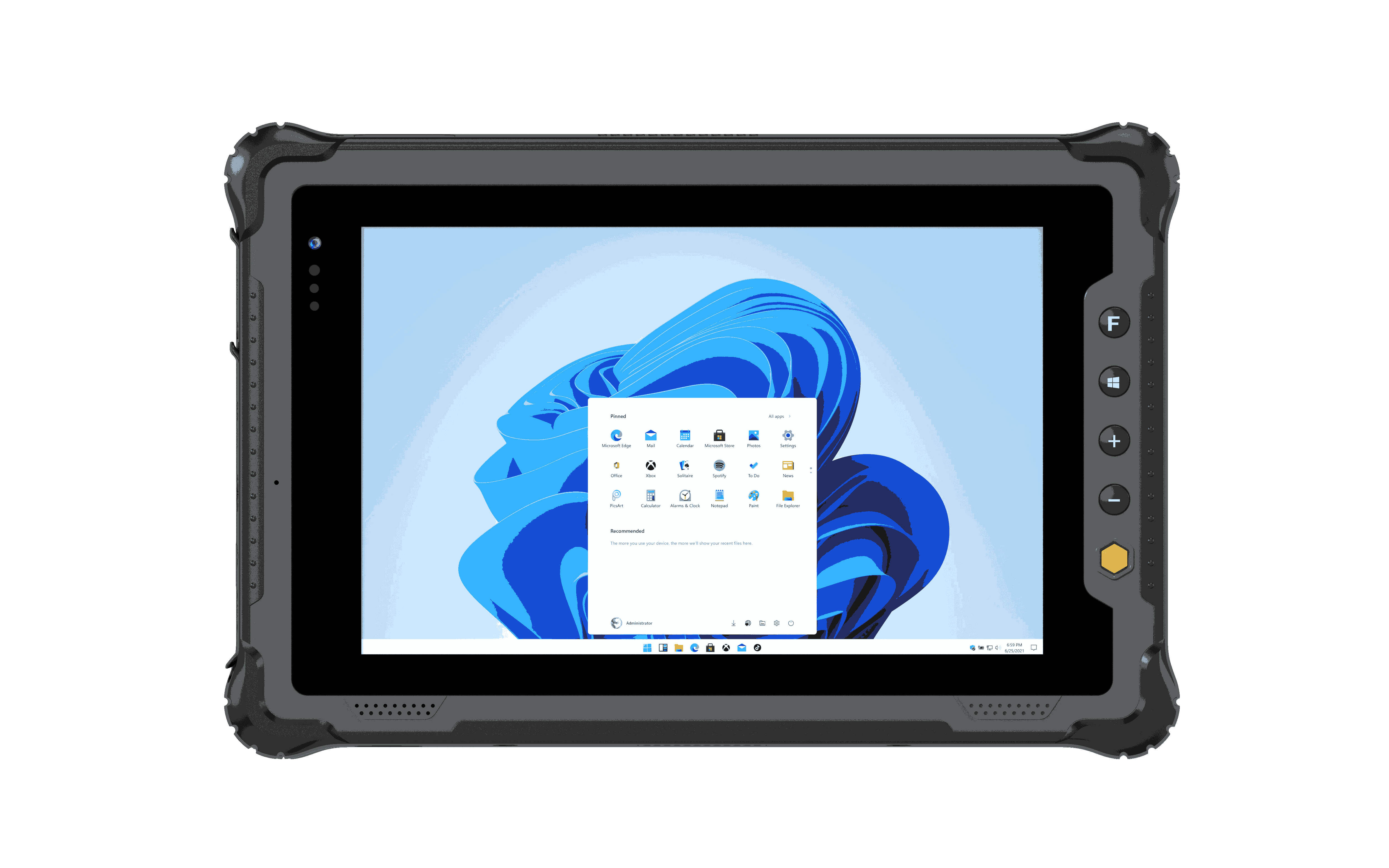
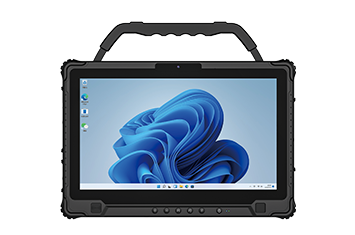
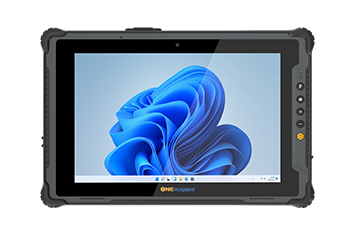
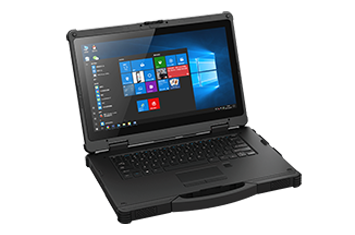
To guarantee uninterrupted field operation and ensure real-time telemetry reaches the command center, enterprise IT teams must transition to a specialized rugged laptop for outdoor work. Functioning as a highly durable outdoor mobile workstation, these heavy-duty platforms bridge the gap between complex diagnostic software and the unpredictable, hostile realities of the natural world.
A true all-weather rugged PC relies on an entirely different physical architecture than a commercial office notebook. When evaluating a field service computer for remote deployments, procurement teams must prioritize strict environmental survivability standards.

Outdoor environments expose hardware to severe particulate and fluid hazards. A deployment-ready laptop must feature a reinforced magnesium alloy chassis and absolute environmental sealing. Utilizing a fanless thermal design combined with IP66 ingress protection (or at minimum, IP65 dustproof ratings), these devices prevent corrosive dust and driving rain from short-circuiting the internal motherboard.
Reviewing structural plans or topographical maps under direct, blinding sunlight is impossible on a standard consumer screen. An effective heavy-duty field laptop must feature an anti-glare optical bonding treatment and a 1400 nits sunlight readable display. This extreme luminance ensures that critical data remains visible during peak daylight hours, which is absolutely mandatory for precise GIS surveying and mapping or utility grid maintenance.
Remote deployments in forestry management or emergency response rarely offer access to wall outlets. A true industrial laptop utilizes a hot-swappable dual battery architecture. This allows field engineers to exchange depleted power cells mid-shift—without shutting down the operating system—guaranteeing continuous uptime during crucial real-time data acquisition tasks.
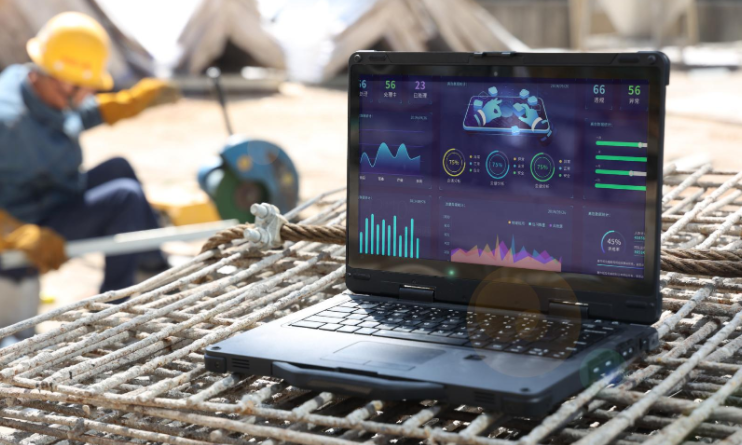
When conducting a Total Cost of Ownership (TCO) analysis, the frequent replacement costs and downtime associated with consumer hardware vastly outweigh their lower initial capital expenditure.
| Feature Specification | Consumer Laptop in Rugged Case | Semi-Rugged Notebook | Fully Rugged Laptop |
| Durability Standard | Untested; case acts as a thermal trap | MIL-STD-810H (3-foot drops) | MIL-STD-810H (4 to 6-foot drops to concrete); shockproof solid state drive |
| Environmental Protection | Vulnerable to humidity and dust | Spill-resistant; light dust protection | IP66 sealed; impervious to driving rain and fine sand |
| Display Visibility | 300–400 nits; washes out in the sun | 700–1000 nits | 1000–1400+ nits; optically bonded |
| I/O Connectivity | Relies on fragile USB-C dongles | Covered standard ports | Native RS232 serial port, RJ45 Gigabit Ethernet, sealed I/O ports |
| Ideal Deployment | Indoor warehouses, light logistics | Vehicle cabs, mild outdoor conditions | Oil and gas exploration, heavy construction, maritime ops |
A rugged laptop is only as effective as its ability to execute heavy enterprise software at the edge. Standardizing your enterprise mobility architecture requires hardware that empowers specific functional workflows.
Modern construction site management and surveying rely heavily on drone fleets. Running complex photogrammetry software requires immense localized processing power. Equipping devices with an Intel Core Ultra processor enables dedicated edge AI NPU processing. This allows field engineers to execute 3D CAD rendering, process drone mapping telemetry, and perform live telemetry logging completely offline, without waiting for latency-heavy cloud servers.
Because field laptops operate outside the corporate firewall, they must integrate advanced endpoint security frameworks:
Hardware Encryption: Native TPM 2.0 hardware security and FIPS 140-2 compliance cryptographically secure user credentials.
Identity Verification: Integrated smart card reader (CAC) modules enforce strict multi-factor authentication.
Threat Defense: A programmed secure boot sequence prevents unauthorized rootkits from hijacking the device.
Emergency Sanitization: In high-risk sectors, a physical zeroization button allows operators to instantly wipe all cryptographic keys if the device is compromised.
Remote Administration: Deep compatibility with premier Mobile Device Management (MDM) platforms allows IT administrators to push over-the-air updates or lock down applications dynamically.
Furthermore, these devices keep teams connected globally via 5G LTE connectivity, Wi-Fi 7, and dedicated GNSS/GPS tracking, ensuring that digital blueprint markup syncs instantly with central command.
Standard lithium-ion batteries lose significant voltage output and degrade rapidly in freezing temperatures. Industrial rugged laptops feature extreme temperature tolerance, utilizing specialized low-temperature battery chemistry and internal thermal heating elements. This keeps the battery cells at an optimal operating temperature during winter deployments and prevents internal condensation during rapid thawing.
Airborne contaminants like metallic dust or conductive minerals can easily bypass the open cooling vents of commercial laptops, landing on the motherboard and causing immediate electrical shorts. By utilizing a fanless design and heavy-duty locking covers over all I/O ports, a fully rugged laptop hermetically isolates the internal circuitry, ensuring data integrity in the most polluted industrial environments.
Standard capacitive screens register water droplets as erratic finger touches, making them useless in a storm. Industrial touchscreens utilize specialized digitizer controllers that project a stronger electromagnetic field. This allows for rain and mist mode touch (which intelligently ignores water droplets) and capacitive glove touch, enabling workers to interact flawlessly with the display through thick leather or rubber safety gloves.
In extreme outdoor environments, technology must be as resilient as the professionals operating it. Transitioning from fragile commercial electronics to purpose-built, heavily armored mobile computing platforms is the single most effective strategy to eliminate hardware-induced downtime and accelerate your field service management operations.
As a leader in industrial computing, Onerugged engineers a comprehensive ecosystem of highly durable solutions. By combining robust physical architecture with advanced processing power and features like vehicle docking passthrough and a secure display physical latch, Onerugged devices ensure your workforce maintains connectivity and processing dominance regardless of the forecast. Discover how standardizing on Onerugged can permanently secure your outdoor digital operations.
Discover Onerugged’s rugged computing solutions, enterprise deployment services, industrial application cases, and customized mobility strategies for warehouse, manufacturing, logistics, and field operations.