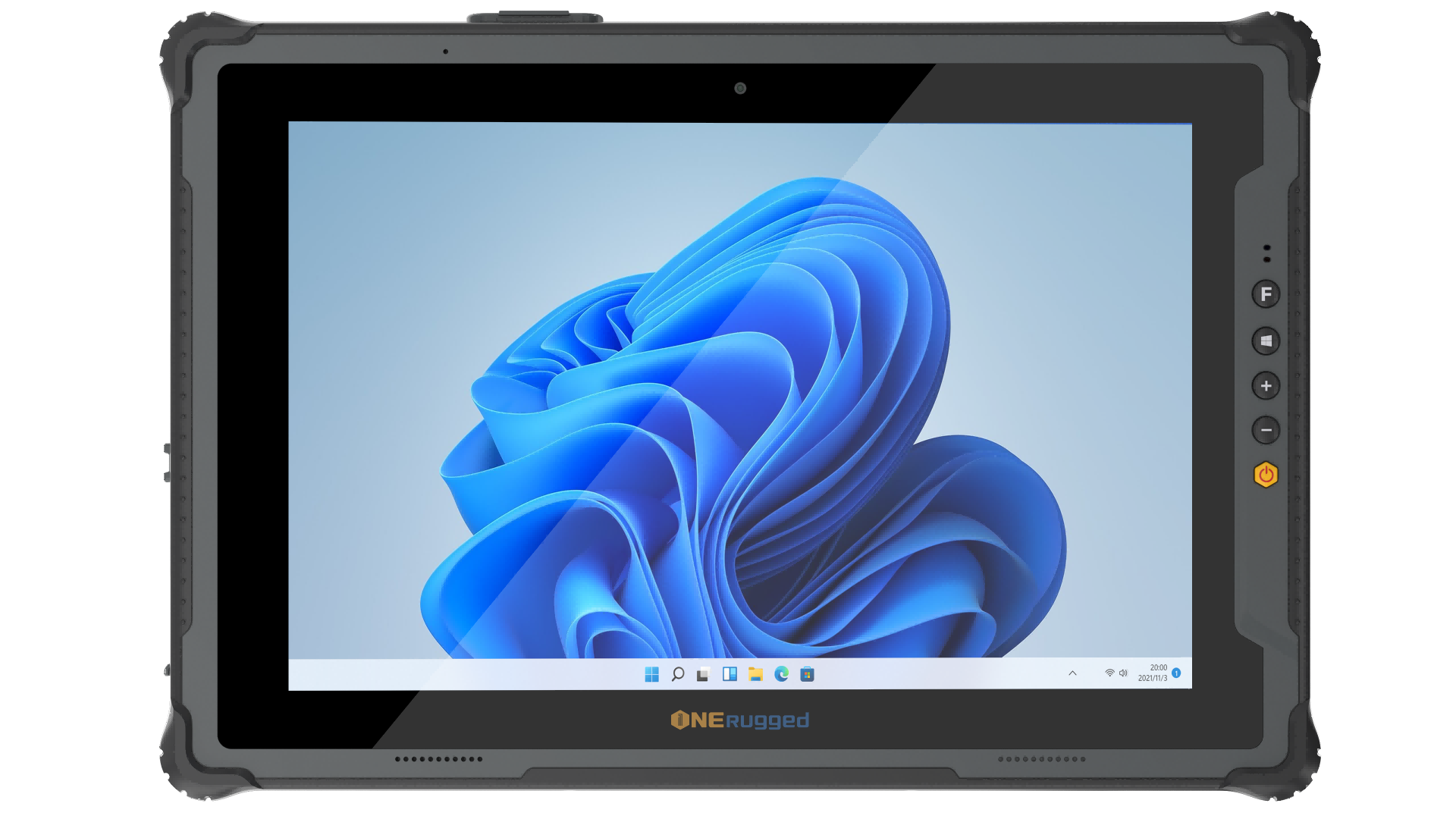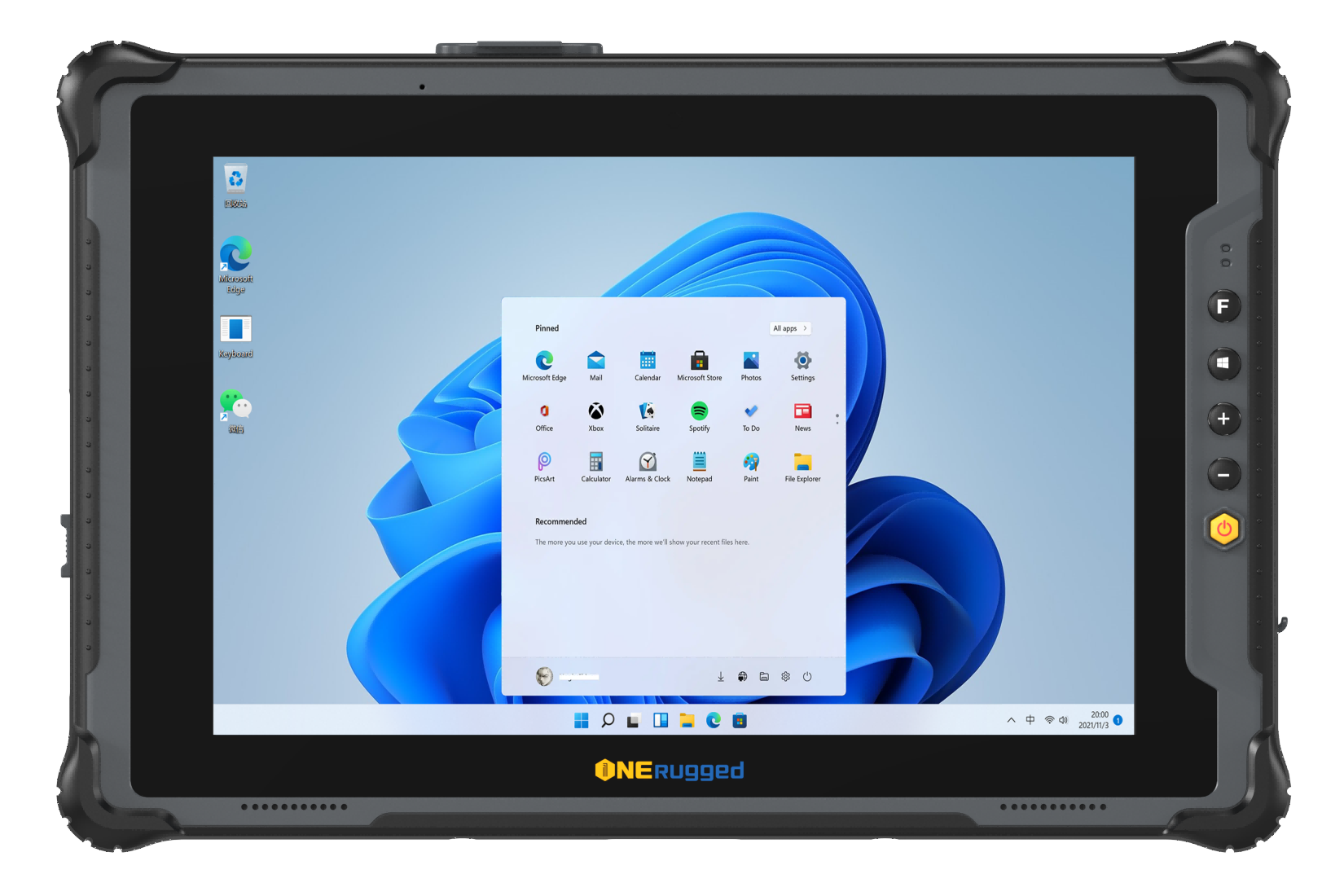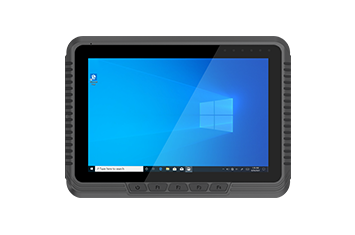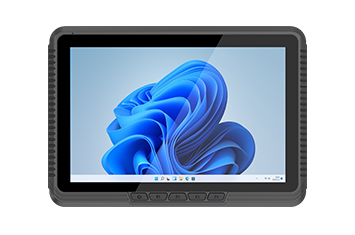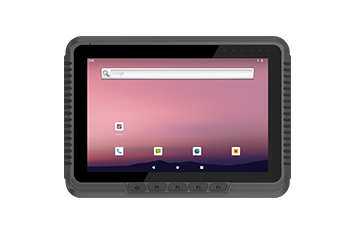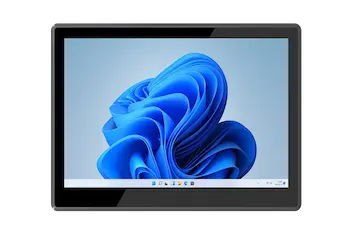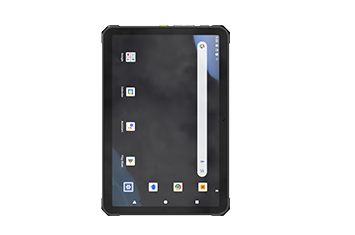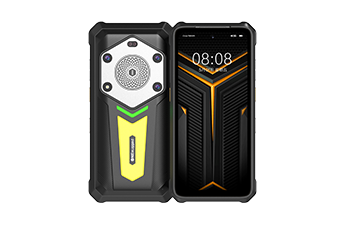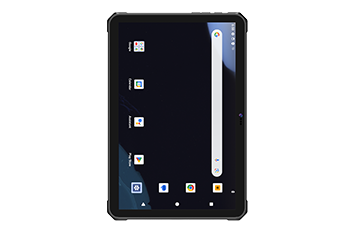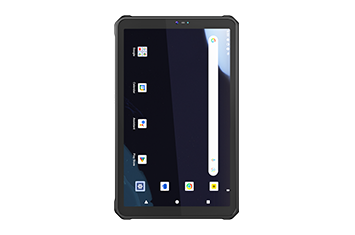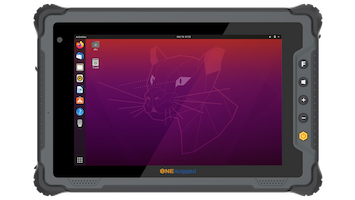

Industrial organizations increasingly depend on mobile computing platforms for warehouse management, field service, transportation logistics, manufacturing automation, and outdoor inspections. However, selecting the right rugged device requires more than simply choosing a tablet labeled“rugged.”
The best fully rugged tablet platforms are designed to survive harsh industrial environments while supporting enterprise mobility, long operating shifts, real-time connectivity, and industrial workflow integration.
This FAQ guide explains the most important certifications, hardware features, and deployment considerations enterprises should evaluate before purchasing a rugged tablet for industrial use.
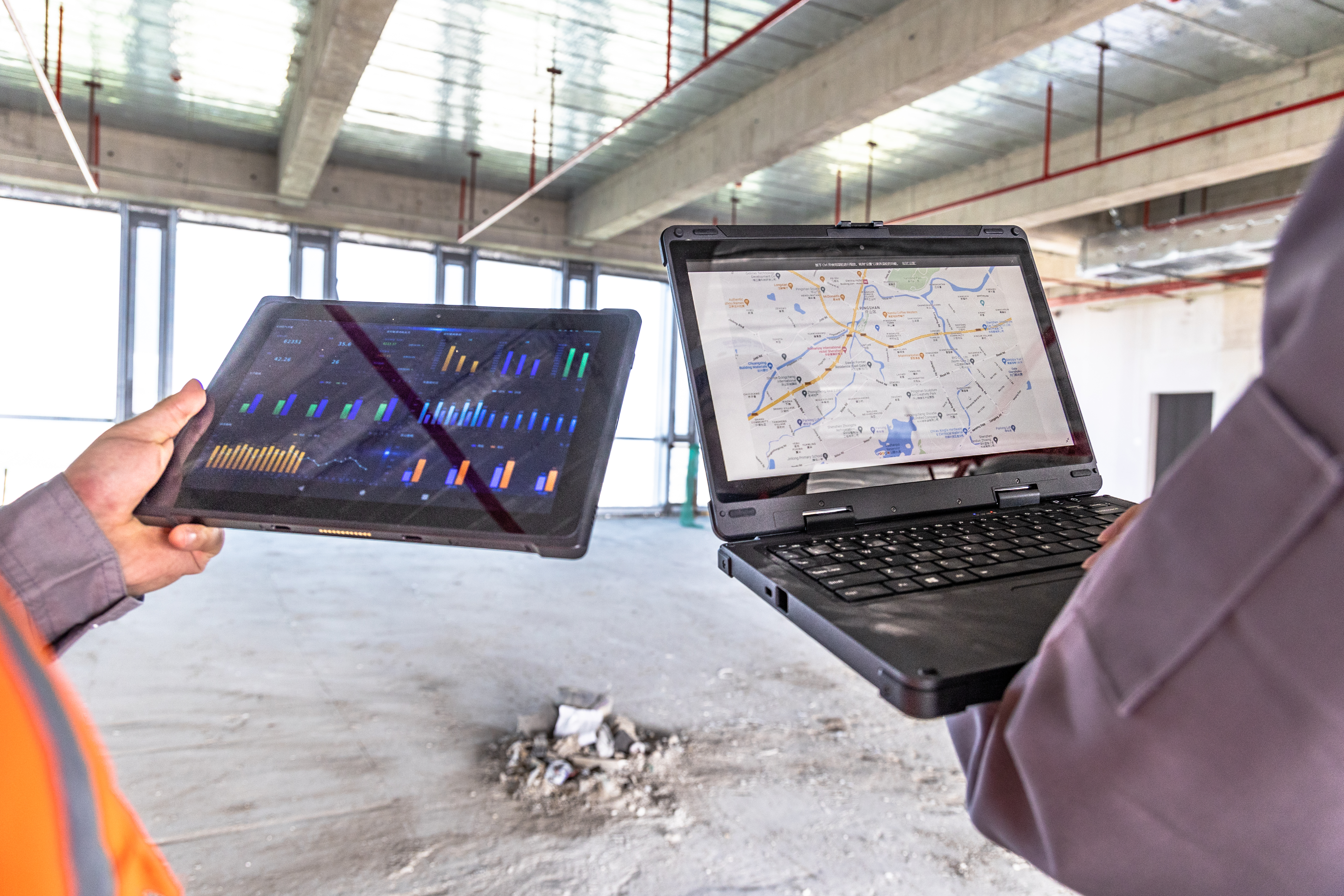
Industrial deployments expose devices to dust, water, vibration, drops, temperature fluctuations, and vehicle movement. Certifications help verify whether a rugged tablet can operate reliably under these conditions.
The most important rugged certifications include:
| Certification | Purpose | Typical Use Case |
|---|---|---|
| IP65 | Protection against dust and water jets | Manufacturing floors |
| IP67 | Protection against dust and temporary water immersion | Outdoor inspection |
| IP68 | Higher-level waterproof protection | Harsh outdoor operations |
| MIL-STD-810H | Shock, drop, vibration, and environmental testing | Industrial field deployment |
A rugged tablet with both IP67 and MIL-STD-810H certification is commonly preferred for demanding enterprise environments.
Industrial buyers should also evaluate:
Shock resistant chassis construction
Drop resistant testing standards
Wide operating temperature range
Dustproof enclosure design
Vehicle vibration resistance
Long-term durability under continuous operation
For oil and gas, mining, or hazardous industrial zones, some deployments may additionally require specialized certifications such as ATEX compliance.
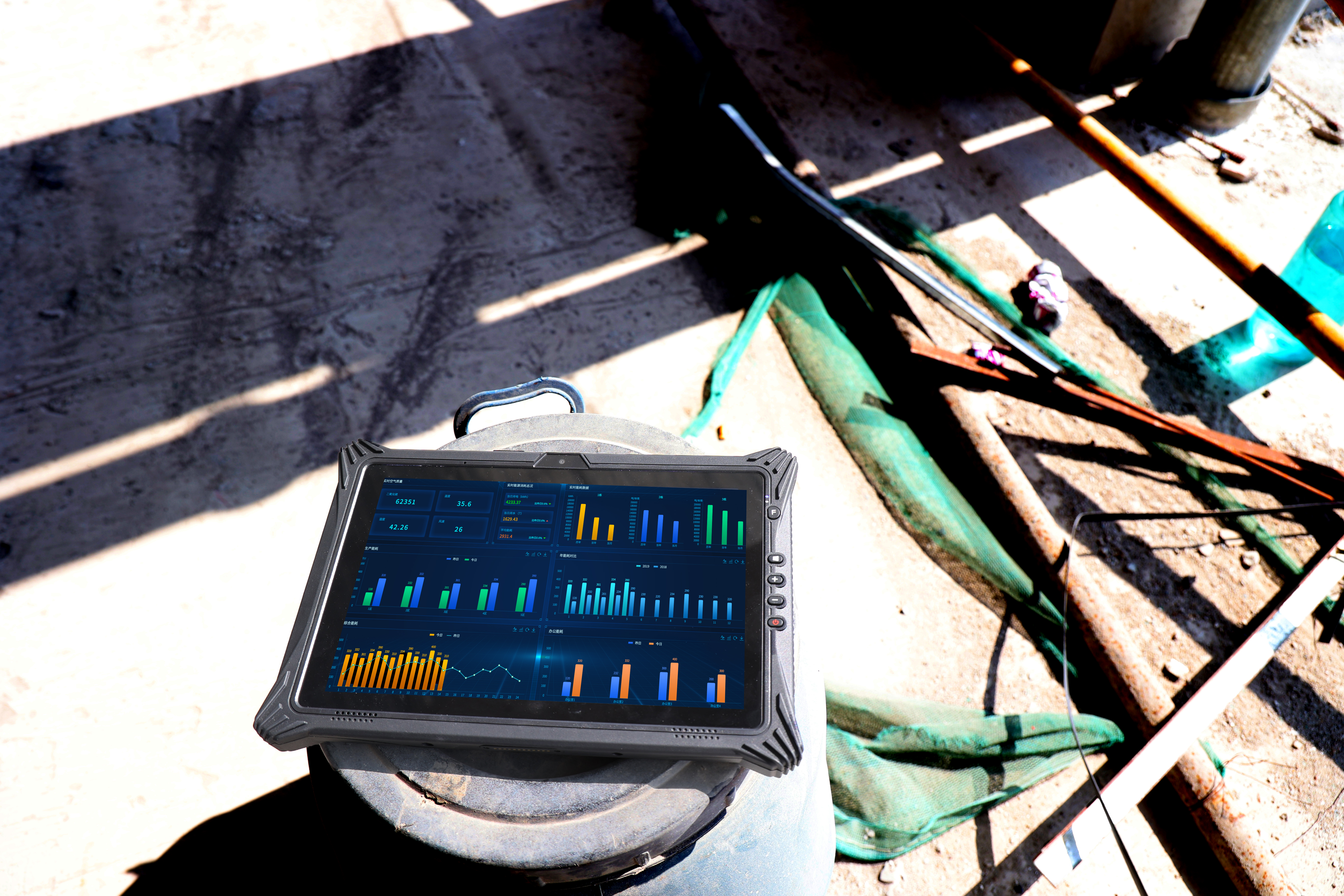
Warehouse and forklift environments create unique operational challenges for mobile devices. Tablets are frequently exposed to vibration, repetitive handling, dust, and long operating shifts.
The most important rugged tablet features for warehouse operations include:
A built-in barcode scanner improves inventory management and reduces dependence on external handheld devices.
Common warehouse workflows include:
Inventory verification
Order picking
Shipment tracking
Asset tracking
Warehouse scanning
Forklift operators often rely on tablets mounted directly inside vehicles.
Essential hardware features include:
Vehicle dock compatibility
Forklift mounting support
Reinforced charging connectors
Stable vibration-resistant design
Pogo pin charging
Warehouses commonly operate across multiple shifts.
A rugged tablet with a hot-swappable battery minimizes downtime and allows continuous operation without shutting down applications.
Reliable connectivity is critical for real-time warehouse data synchronization.
Recommended connectivity features include:
Wi-Fi 6
5G connectivity
Low-latency roaming support
Enterprise wireless stability
Warehouse workers often wear protective gloves.
Features such as:
Glove touch
Capacitive touchscreen
Wet-environment touch optimization
Field service teams require reliable mobile systems capable of operating in unpredictable outdoor environments.
A properly deployed rugged mobility platform improves:
Workforce productivity
Real-time communication
Inspection accuracy
Maintenance documentation
Asset visibility
A fully rugged tablet is engineered for continuous industrial operation under harsh conditions.
This reduces:
Hardware failures
Screen damage
Charging interruptions
Connectivity disruptions
Integrated enterprise mobility tools support:
Digital inspection forms
GPS location tracking
Image capture
Barcode scanning
Field data collection
A sunlight readable display with at least 1000 nits brightness improves visibility during outdoor inspections and utility maintenance.
Features such as:
GNSS
GPS
5G support
Wi-Fi roaming
Industries that benefit from rugged mobility deployments include:
Utility maintenance
Oil and gas inspection
Transportation management
Emergency response
Public safety
Manufacturing automation
Semi-rugged and fully rugged tablets are designed for different deployment environments.
Semi-rugged systems are intended for lighter industrial use cases where environmental exposure is moderate.
Typical environments include:
Indoor logistics
Retail operations
Light manufacturing
Office-connected field work
A fully rugged tablet is specifically engineered for harsh industrial conditions.
These devices typically include:
MIL-STD-810H certification
IP67 or IP68 protection
Reinforced chassis construction
Wide operating temperature support
Vibration-resistant design
Outdoor-readable displays
| Feature | Semi-Rugged Tablet | Fully Rugged Tablet |
|---|---|---|
| Water Protection | Moderate | IP65/IP67/IP68 |
| Drop Resistance | Limited | High |
| Outdoor Visibility | Standard | High brightness display |
| Temperature Resistance | Moderate | Extreme environments |
| Vehicle Mounting | Limited | Enterprise-ready |
| Industrial Ports | Basic | RS232, USB Type-C, serial support |
| Deployment Environment | Light industrial | Harsh industrial |
Organizations operating in warehouses, utilities, transportation fleets, or outdoor inspection environments generally benefit more from fully rugged platforms.
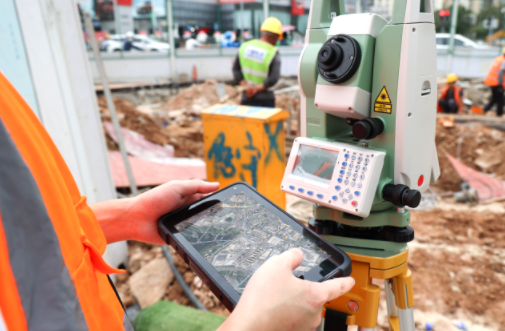
For reliable outdoor visibility, most industrial deployments require at least:
700–1000 nits for general outdoor use
1000+ nits for direct sunlight environments
A rugged tablet with a 1000 nits display is commonly recommended for:
Utility inspection
Outdoor field operations
Construction environments
Fleet management
Oil and gas inspection
Brightness alone is not enough. Outdoor readability also depends on:
Anti-glare display coating
Optical bonding
Contrast ratio
Reflection reduction
Screen technology quality
A properly engineered sunlight readable display reduces operator eye strain and improves field productivity.
Enterprise deployments with long operating hours often require both:
uninterrupted battery replacement
stable vehicle-mounted operation
Modern enterprise rugged tablets frequently support:
Hot-swappable battery systems
Vehicle dock integration
Pogo pin charging
Fleet charging stations
Forklift mounting solutions
These features are especially important for:
Warehouse logistics
Fleet management
Transportation operations
Public safety vehicles
Utility service fleets
Many industrial organizations also prefer rugged tablets with:
Long lifecycle support
Enterprise deployment tools
MDM support
Secure remote management
Rugged device management capabilities
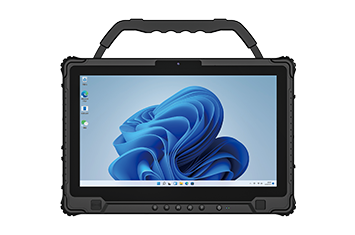
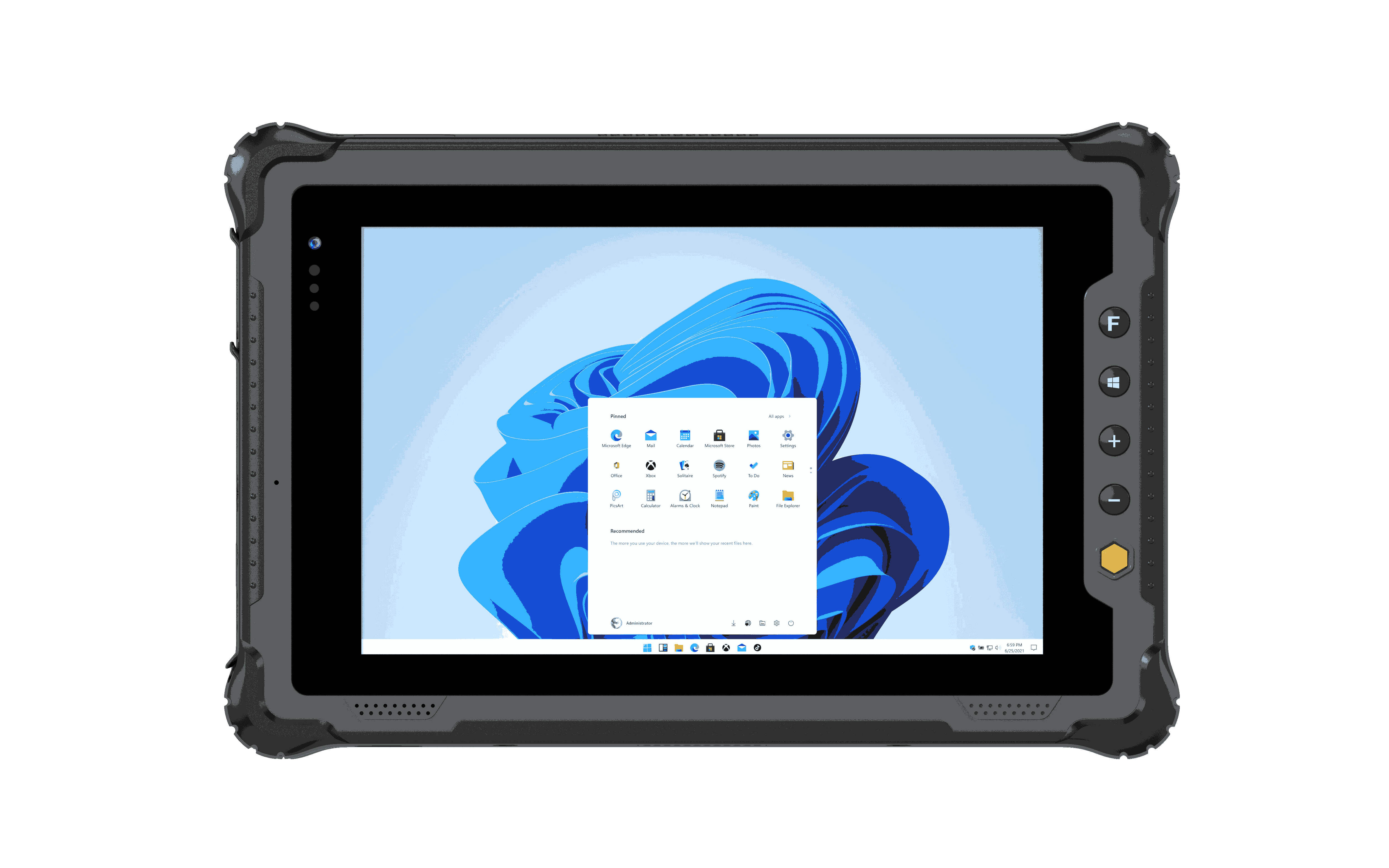
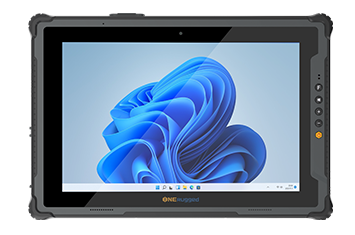
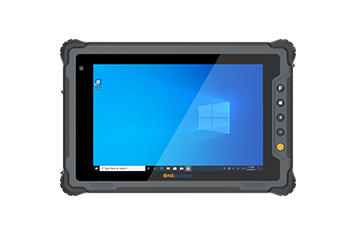
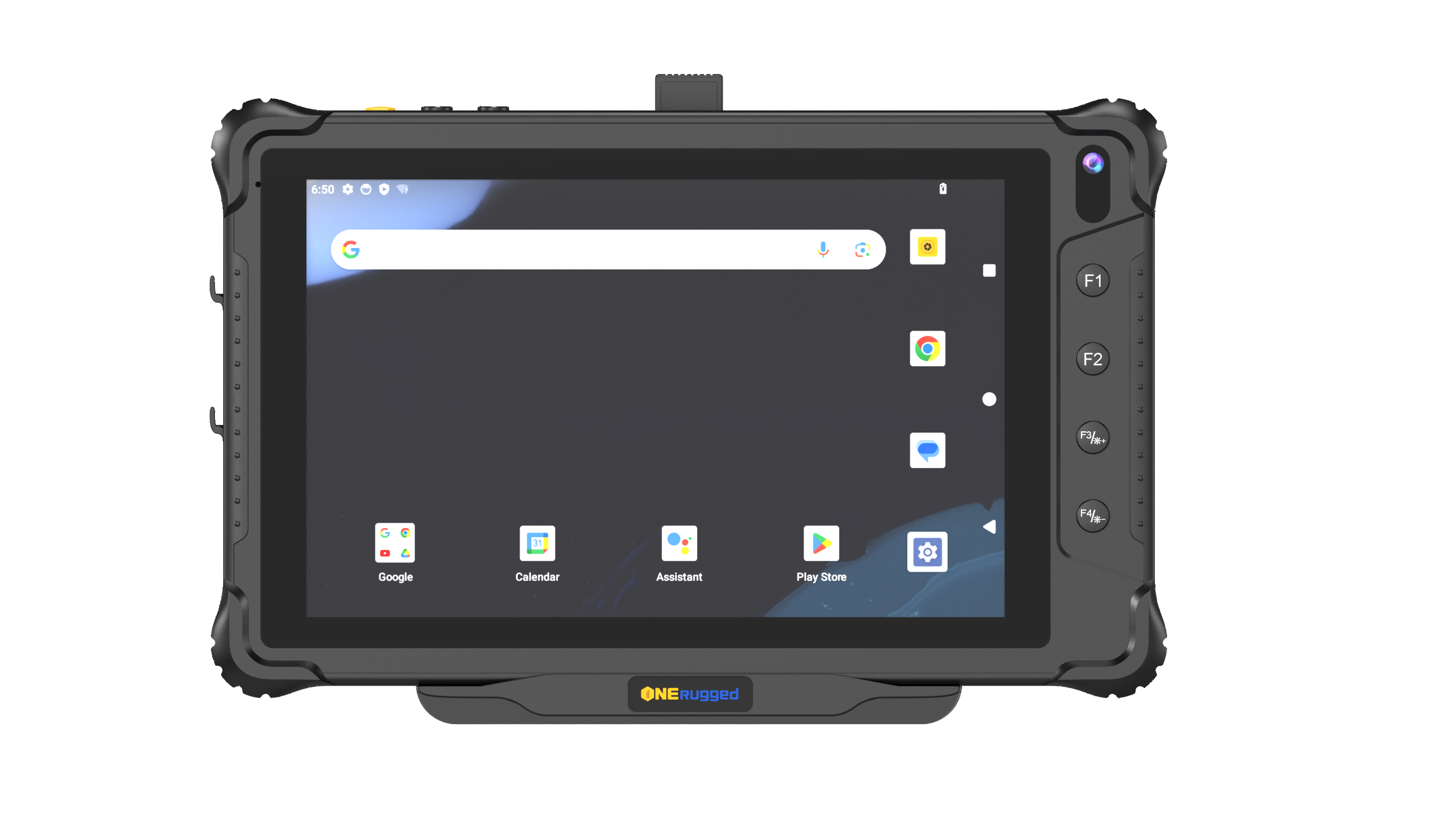
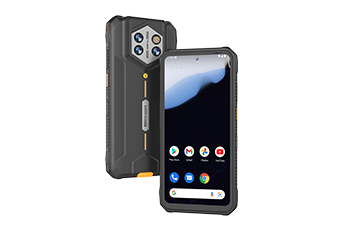
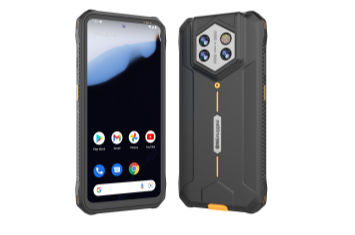
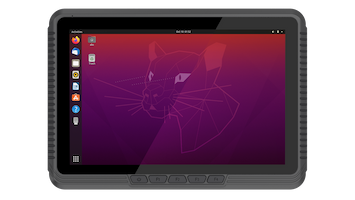
Onerugged rugged tablet solutions are designed to support industrial mobility deployments requiring durable hardware, long-shift battery operation, and vehicle-mounted workflows across warehouse, manufacturing, and field service environments.
Before selecting a rugged tablet platform, enterprise buyers should evaluate:
Certification requirements
Deployment environment
Connectivity infrastructure
Battery replacement workflows
Vehicle mounting requirements
Barcode scanning needs
Security and device management
Long-term lifecycle support
The best rugged tablet is not simply the most durable device. It is the platform that aligns most effectively with operational workflows, enterprise mobility requirements, and industrial deployment conditions.
Explore Onerugged’s complete portfolio of fully rugged tablets designed for warehouse management, field service, manufacturing automation, logistics operations, and harsh industrial environments. Contact our team to discuss customized enterprise deployment solutions tailored to your operational requirements.
Explore Rugged Tablets Request a Consultation