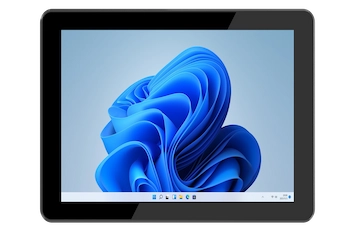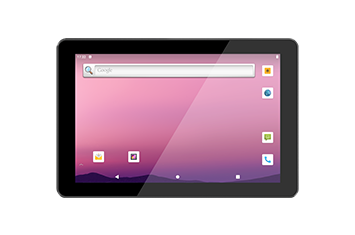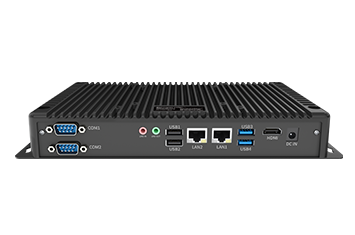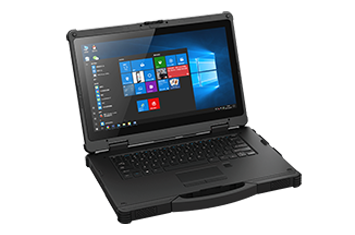
In the world of industrial automation and field services, a rugged tablet is only as good as its interface. While dustproof, waterproof, and shock-resistant features are standard, the touchscreen design is what determines the actual operational efficiency and "Total Cost of Ownership" (TCO) for enterprise users.
Whether you are in logistics, oil & gas, or outdoor construction, choosing the right touch technology—Resistive or Capacitive—is critical to ensuring zero downtime in extreme conditions.
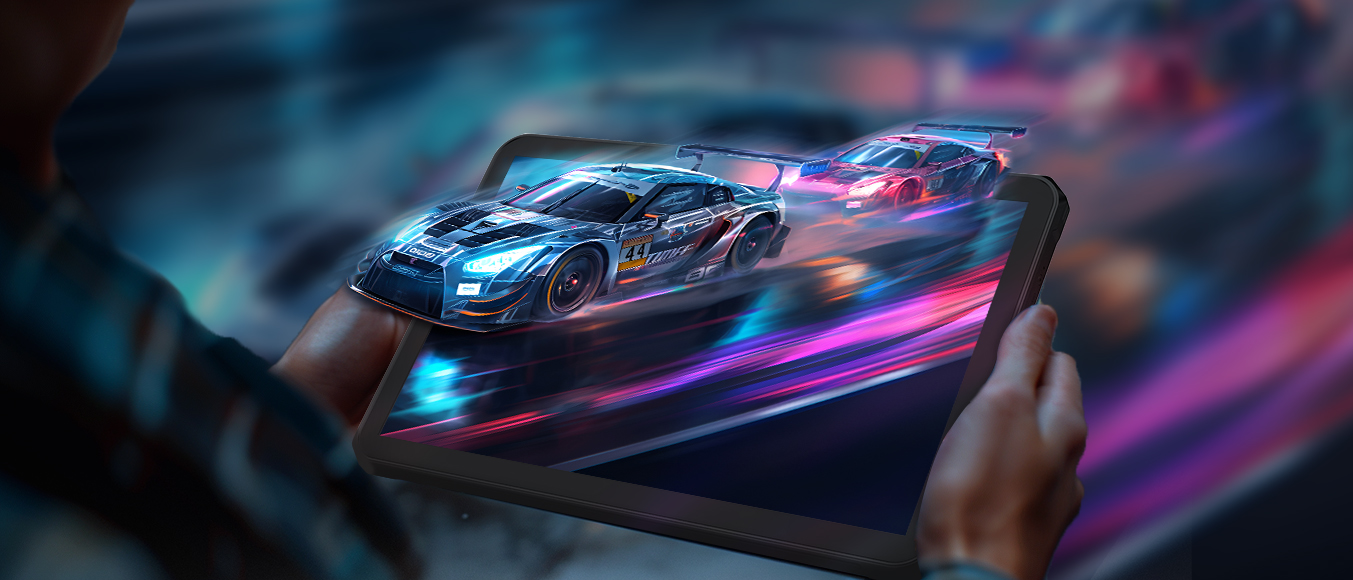
Most industrial tablets today offer a range of customizable features: high-brightness displays, virtual keys, and high transparency. However, the mechanical fatigue of traditional input methods has led to a major shift toward advanced touch technologies.
Resistive touch technology, often available in 4-wire, 5-wire, or 8-wire designs, operates by detecting physical pressure to convert coordinates.
• Best For: Heavy-duty environments where operators wear thick, non-conductive industrial gloves.
• The 5-Wire Advantage: Our 5-wire resistive technology applies the voltage field to the bottom glass layer, making the outer layer a simple conductor. This significantly increases durability to over 30 million touches at a single point without drift.
• Pros: High stability, immune to dust/moisture interference, and cost-effective.
Modern industrial PCAP technology offers up to 97% light transmittance, providing near-perfect color accuracy and superior visual clarity.
• Durability: Capable of withstanding over 200 million touches.
• Multi-Touch Capabilities: Supports gestures like pinch-to-zoom and swiping, which are essential for complex GIS mapping or industrial software interfaces.
• SoC Integration: Most of our high-end rugged tablets utilize System-on-Chip (SoC)integration, reducing design complexity while enhancing touch responsiveness.

To meet the demands of global B2B buyers, ONERugged integrates two critical upgrades into our touchscreen modules:
1. Optical Bonding Technology: By eliminating the air gap between the LCD and the touch glass, we significantly reduce internal reflection and prevent condensation (fogging). This makes the screen sunlight-readable and boosts impact resistance.
2. Glove & Wet Touch Profiles: Our advanced firmware allows the screen to distinguish between a deliberate finger touch and a raindrop or accidental splash. The Glove Modeincreases sensitivity, allowing seamless operation even with protective gear.
For large-scale enterprise deployments, a "one size fits all" approach rarely works. As a leading rugged tablet provider, we focus on:
• Cover Lens Thickness: Optimizing glass thickness (up to 3mm or more) to pass IK07/IK08 impact tests without sacrificing touch sensitivity.
• High-Brightness Customization: Ensuring visibility under direct sunlight (up to 1000+ nits).
• Anti-Glare (AG) & Anti-Fingerprint (AF) Coatings: Improving the user experience in dusty or oily environments.
Q1: Can I use your rugged tablets while wearing thick leather gloves?
Yes. For users wearing thick gloves, we recommend our Resistive touch models or PCAP models with "High-Sensitivity Glove Mode" enabled. Our software algorithms are specifically tuned for industrial PPE.
Q2: Will rain or water splashes cause accidental clicks on the screen?
No. Our tablets feature Wet Touch technology. By using high SNR (Signal-to-Noise Ratio) touch chips, the device can ignore water droplets and only respond to the conductive input of a finger or stylus.
Q3: What is the benefit of 5-wire resistive over 4-wire?
5-wire resistive screens are much more durable. Even if the top protective layer is scratched or slightly damaged, the screen remains functional because the coordinate measurement is handled by the bottom glass layer.
Q4: Is the screen readable in direct sunlight during outdoor field work?
Absolutely. By utilizing Optical Bonding and high-nit LED backlighting, we minimize glare and maximize contrast, ensuring the display is perfectly visible even in desert or maritime environments.
Q5: Do you offer OEM/ODM services for specific touchscreen requirements?
Yes. We support full customization, including specialized screen sizes, custom logos on the cover glass, and integration of specialized touch controllers for medical or military-grade applications.
Ready to upgrade your fleet with the most reliable touch technology?
[Contact Our Sales Team for a Free Sample & Tech Consultation]