
In a highly competitive global market, the efficiency of supply chain management depends heavily on data accuracy at the edge. Logistics hubs, distribution centers, and field delivery routes cannot afford the operational latency or hardware failure rates associated with consumer smartphones or legacy mobile systems.
Deploying a purpose-built rugged PDA for logistics allows enterprise operators to unify data capture, real-time communication, and workflow compliance within a single, highly durable ecosystem. This guide examines the critical deployment workflows, technical selection frameworks, and engineering choices necessary to modernize your enterprise mobile fleet.

A resilient rugged hardware deployment does more than just replace paper logs; it optimizes specific, high-velocity operational workflows across the transit pipeline.
In less-than-truckload (LTL) and high-throughput sorting hubs, cross-docking operations require instantaneous verification. Incoming inventory must be scanned, sorted, and routed directly to outbound trailers without intermediate storage. A dedicated logistics PDA ensures real-time synchronization with the central Warehouse Management System (WMS), preventing routing errors and eliminating processing bottlenecks on the loading dock.
For fast-moving industries like grocery, beverage, and retail logistics, Direct Store Delivery (DSD) allows vendors to bypass traditional retail distribution centers and deliver stock straight to the storefront. To maintain efficiency, delivery drivers rely on specialized Data Exchange (DEX) communications. Connecting a rugged handheld directly to a store's receiving system allows for instant, paperless electronic invoices, automated inventory updates, and immediate digital delivery signatures.
Modern transport regulations require commercial fleets to utilize an electronic logging device (ELD)
Selecting the right hardware architecture requires balancing portability against raw operational capabilities. The table below outlines how modern enterprise-grade mobile platforms compare against alternative strategies.
| Operational Attribute | Consumer Device + Protective Case | Legacy Windows Mobile Terminal | Enterprise Android Rugged PDA |
| Data Capture Hardware | Camera-based app (Slow, low-light latency) | Legacy 1D Laser (Incompatible with modern QR/2D codes) | Integrated hardware 2D imager (Millisecond decoding) |
| Power Infrastructure | Internal sealed battery (Requires charging downtime) | Low-capacity external battery | Large capacity, field-replaceable or hot-swappable batteries |
| Software Lifecycle | Short consumer support windows (1–2 years) | Obsolete OS (Windows CE/Mobile fully deprecated) | Enterprise Android with guaranteed security patches (3–5+ years) |
| Real-World Durability | Prone to port breakage and structural flexing | High bulk, heavy operator fatigue | Drop-rated, vibration-resistant, IP-sealed frames |
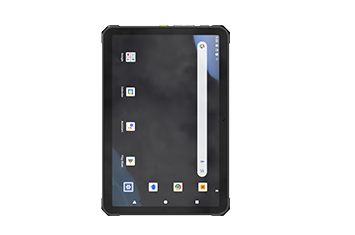
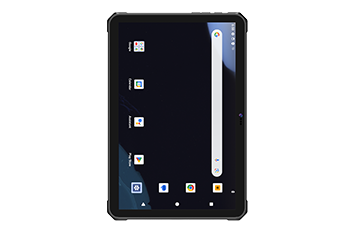
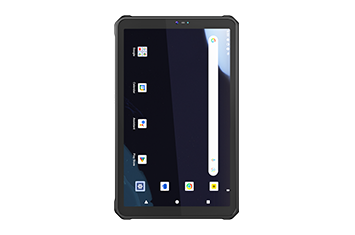
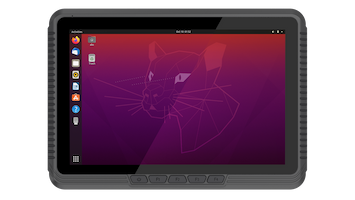
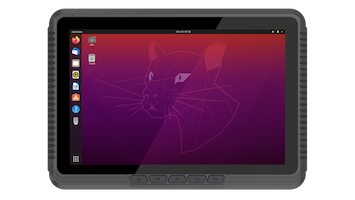
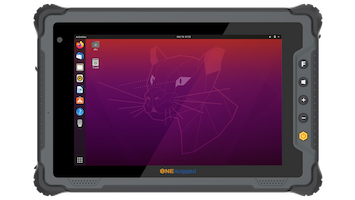
Grip ergonomics and physical form factors heavily impact worker productivity during a long shift. While ultra-compact 4-inch screens are suitable for simple scan-and-go tasks, and large 7-inch rugged tablets fit vehicle-mounted roles, the industry has converged on the balanced 5.5-inch form factor for mixed-use logistics applications.
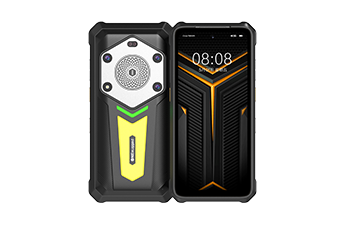
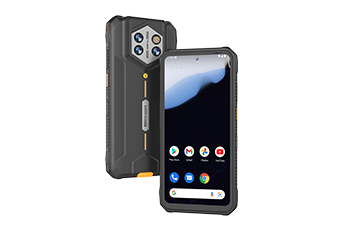
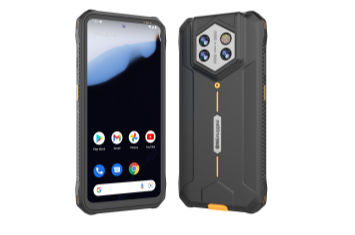
In this category, the Onerugged H68T handheld computer offers a highly effective balance of ergonomics and processing power. Built explicitly for enterprise mobility and field use, the H68T features an advanced octa-core processor, seamless network roaming capabilities, and a daylight-readable display.
By integrating reliable mobile edge computing into a lightweight, shock-resistant housing, the H68T allows logistics firms to deploy demanding asset tracking and DSD software without inducing operator fatigue or risking environmental damage from drops, dust, or moisture.
Successfully scaling a fleet of logistics PDAs requires looking beyond basic product specifications. IT teams should ensure their deployment covers four essential pillars:
Seamless Network Roaming: Handheld units must support fast-roaming network protocols to prevent data dropouts when drivers transition between regional cellular networks or when warehouse teams move across massive Wi-Fi access zones.
Centralized MDM Provisioning: All hardware must be fully compatible with major Mobile Device Management platforms, allowing for secure, remote software deployments, remote device lockdowns, and automated configuration over-the-air.
Ergonomics and PPE Compliance: The touchscreen interface and physical scan triggers must be highly sensitive and fully optimized for operators wearing heavy work gloves in variable weather or cold-storage facilities.
Long-Term TCO Optimization: Evaluate the vendor's total lifecycle support, including the availability of drop-in multi-slot charging docks, vehicle mounts, and long-term availability of spare batteries to protect your initial investment.
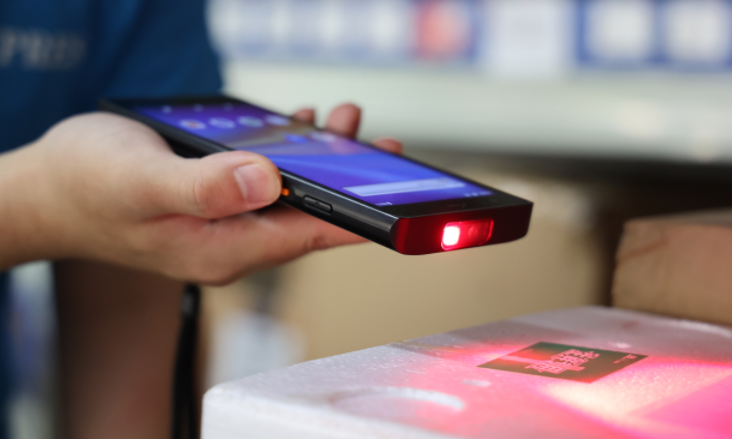
Cross-docking moves at a rapid pace where a missed scan or app crash halts the sorting line. Rugged PDAs feature hardware-accelerated scan engines that read wrinkled, dirty, or torn barcodes instantly from multiple angles. They also use industrial Wi-Fi modules designed to stay connected during fast movements across large facilities, minimizing the data dropouts common with consumer phones.
Enterprise rugged PDAs combine multi-network cellular options (4G/5G LTE) with integrated NFC/RFID and serial connection capabilities. This allows delivery drivers to communicate with dispatchers on the road, navigate via GPS, and easily connect to retail inventory systems at the store via standardized DEX communication lines.
Investing in an enterprise Android rugged PDA significantly lowers the Total Cost of Ownership (TCO). While consumer alternatives appear cheaper initially, their high failure rates, lack of field-serviceable parts, and short product lifecycles end up costing significantly more in replacement units, IT troubleshooting, and idle worker downtime.
Achieving complete supply chain visibility requires deploying hardware that performs reliably under any operational condition. Onerugged designs and manufactures a comprehensive portfolio of rugged mobile computers, tablets, and vehicle-mounted terminals engineered to keep your data flowing and your workforce productive.
Discover Onerugged’s rugged computing solutions, enterprise deployment services, industrial application cases, and customized mobility strategies for warehouse, manufacturing, logistics, and field operations.