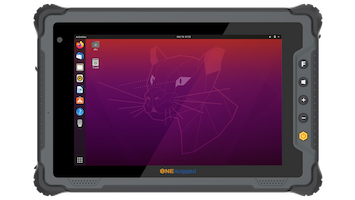

In today’s demanding operational environments, relying on fragile consumer electronics is a critical point of failure. Whether managing high-volume warehouse automation, tracking assets in manufacturing, or conducting remote inspections, enterprises require dedicated rugged hardware.
This guide provides an architectural breakdown of the industrial handheld computer, exploring its engineering features, operational use cases, and how IT leaders can deploy these devices to achieve maximum supply chain visibility and workflow efficiency.
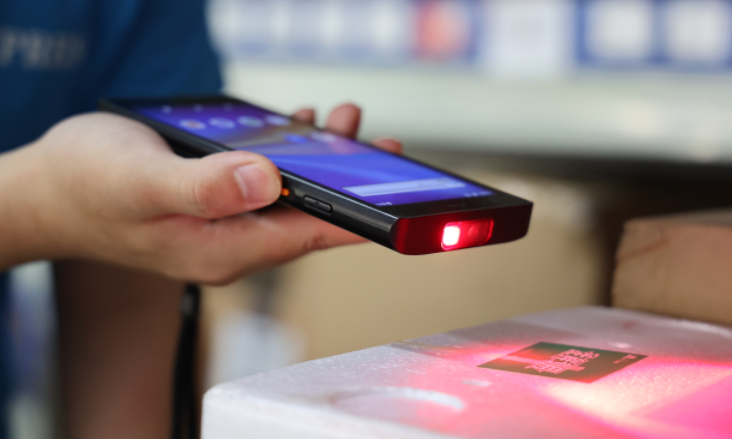
Summary for quick reference: An industrial handheld computer is a purpose-built, durable mobile device designed for enterprise data capture, real-time communication, and edge computing in challenging environments.
Unlike consumer smartphones, these devices integrate proprietary barcode scanning engines, RFID readers, and heavy-duty environmental sealing. They are engineered to interface directly with enterprise backend software, ensuring seamless ERP integration and uninterrupted data flow across the operational floor.
A true industrial mobile device is defined by its hardware architecture and deployment resilience. Key features include:
Environmental Durability: Housings built to endure drops onto concrete, often certified to MIL-STD-810H standards, alongside IP65/IP67 ratings for total protection against dust and water ingress.
Purpose-Built Data Capture: Integrated 1D/2D imagers capable of reading damaged, low-contrast, or long-range barcodes accurately without relying on camera-based software decoding.
Uninterrupted Power Architecture: High-capacity, hot-swappable batteries designed to outlast standard 8-to-12-hour shifts without requiring the device to power down.
Enterprise-Grade Connectivity: Advanced Wi-Fi 6, global 4G/5G LTE, and robust Bluetooth stacks ensure zero-latency communication in signal-dense or remote areas.
Secure OS & Fleet Management: Built on highly secure Android or Windows IoT platforms, supporting comprehensive Mobile Device Management (MDM) protocols for remote provisioning and lockdown.
A common enterprise mistake is deploying consumer smartphones enclosed in heavy-duty cases. While the upfront cost may seem lower, the Total Cost of Ownership (TCO) rapidly inflates due to high failure rates, inefficient scanning, and short product lifecycles.
| Feature | Consumer Smartphone + Case | Industrial Handheld Computer |
| Primary Design Intent | Media consumption, general communication | Intensive data capture, shift-long industrial use |
| Durability | Relies entirely on the aftermarket case; internal components remain vulnerable | Engineered from the motherboard up for shock, vibration, and thermal stress |
| Data Capture | Camera-based (slow, struggles with damaged codes or poor lighting) | Dedicated hardware scan engine (millisecond response, reads damaged codes) |
| Battery Lifecycle | Sealed internal battery; requires charging downtime | Hot-swappable batteries; zero operational downtime |
| Device Lifecycle | 1 to 2 years before obsolescence or consumer OS updates break enterprise apps | 5+ years of guaranteed hardware availability and enterprise security patches |
| TCO | High (frequent replacements, high downtime) | Low (long lifespan, minimized workflow disruption) |
Deploying the right enterprise mobility solution transforms physical operations into measurable digital intelligence.
In high-throughput environments, handheld terminals interface directly with a WMS (Warehouse Management System). Workers utilize ergonomic pistol-grip configurations for high-volume picking, packing, and inventory management, heavily reducing error rates.
Shop-floor supervisors and quality assurance teams use these devices for Work-in-Progress (WIP) tracking and line-side inspections. The rugged build ensures the devices survive exposure to industrial lubricants, metallic dust, and vibration.
Field service technology relies heavily on ubiquitous connectivity. Technicians use rugged handhelds to download schematics, capture proof of service via digital signatures, and utilize GPS tracking—all while enduring outdoor weather extremes.
Selecting the correct deployment hardware requires evaluating the operational environment alongside IT infrastructure requirements. Consider the following criteria:
Assess the Environment: Does the workforce operate in cold storage, extreme heat, or explosive environments (requiring intrinsically safe devices)? Match the IP rating and operating temperature specs to the facility.
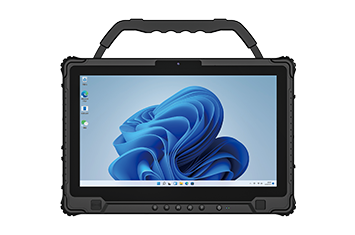
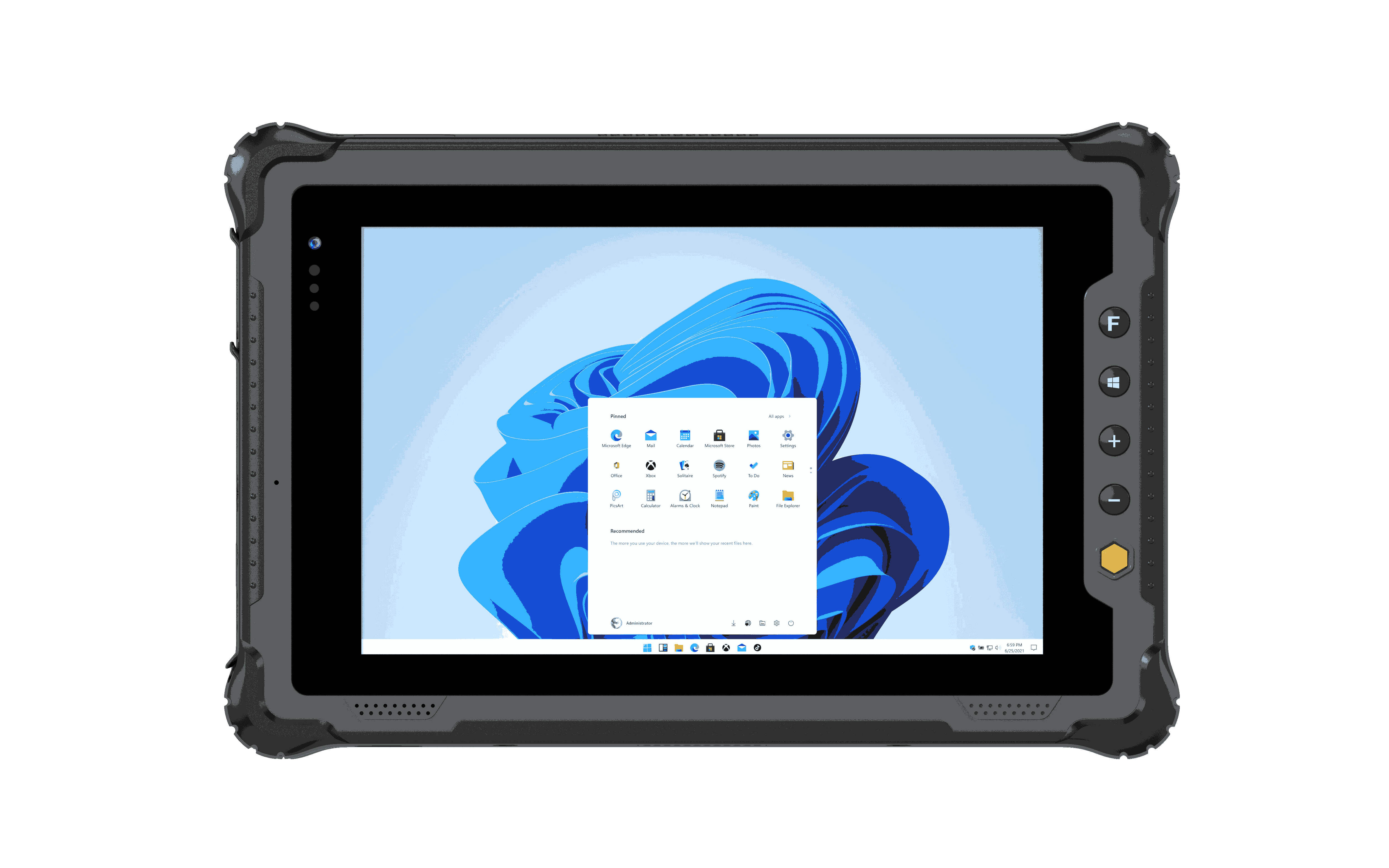
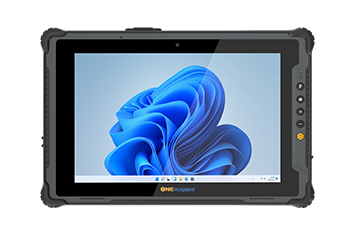
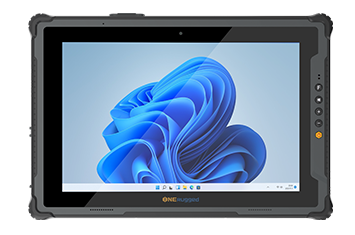
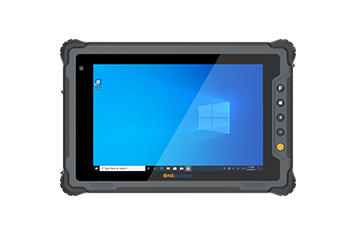
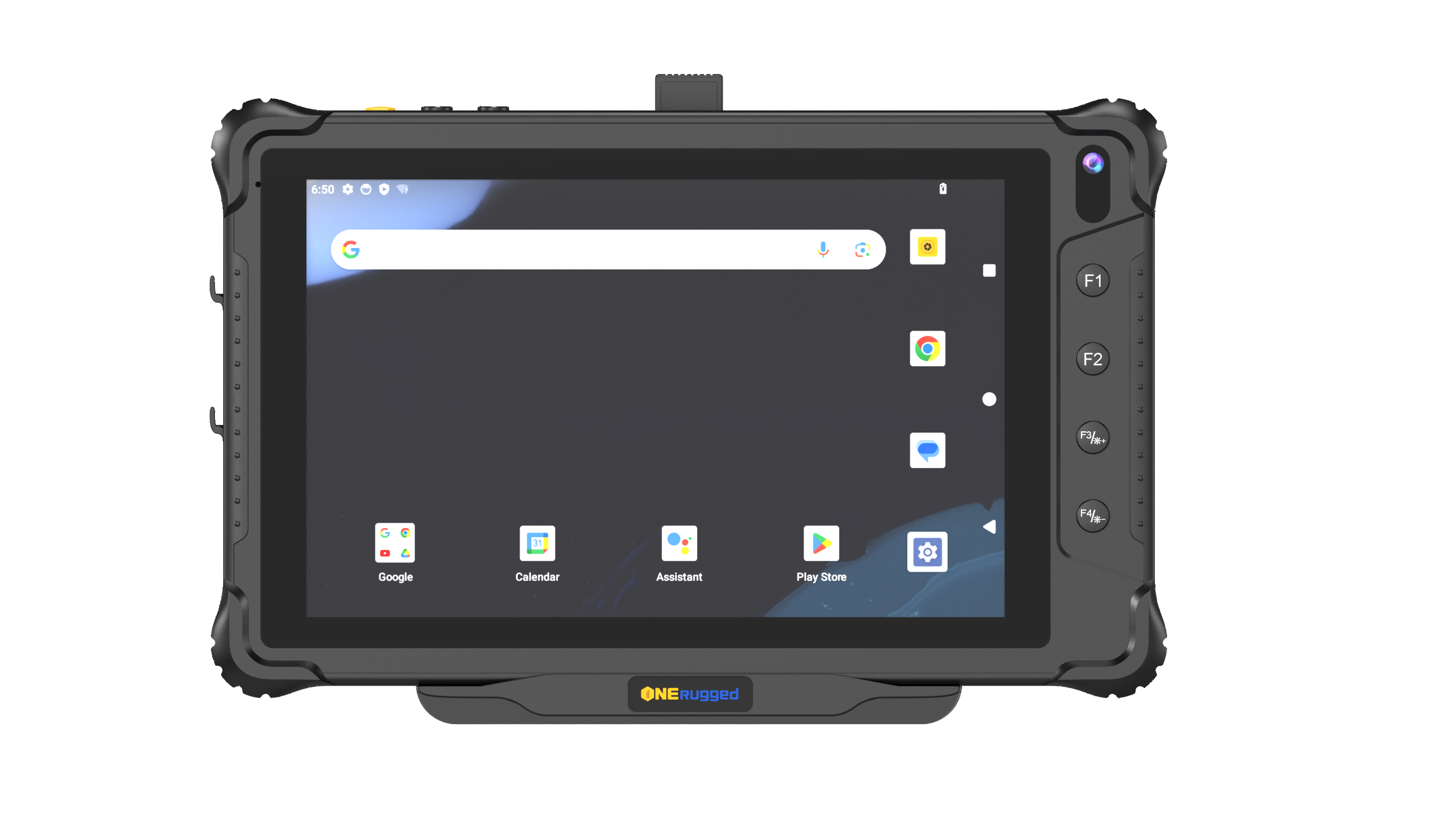
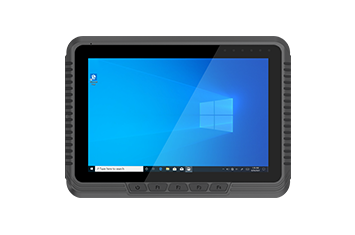
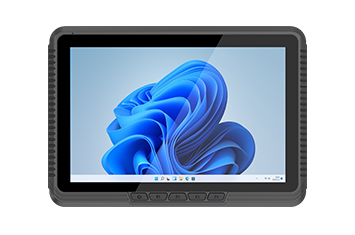
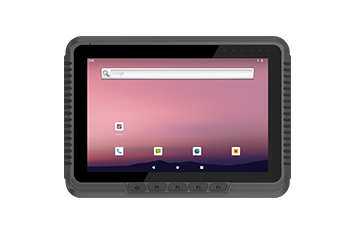
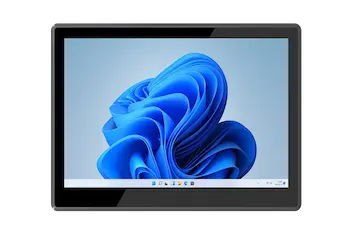
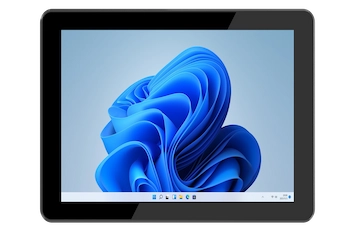
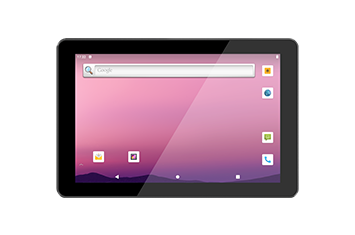
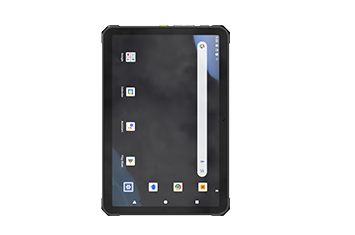
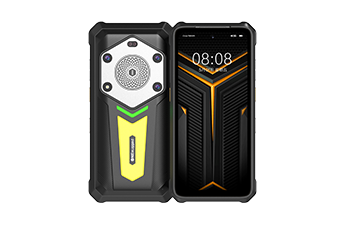
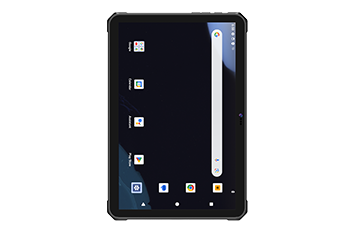
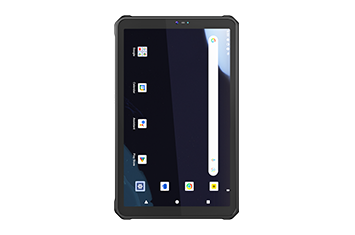
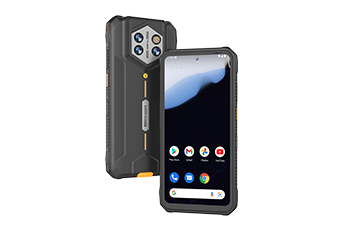
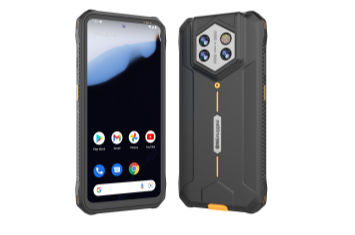
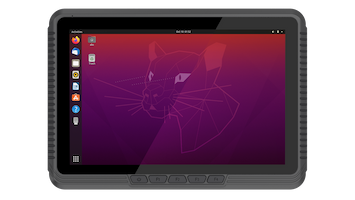
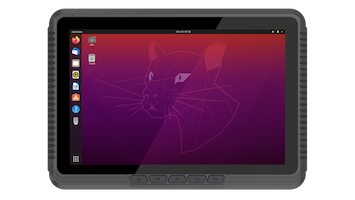
Define the Form Factor: Determine if a pocket-sized rugged smartphone, a heavy-duty pistol-grip terminal, or larger rugged tablets best fit the physical tasks of the user.
Evaluate Scanning Requirements: If workers are scanning pallets on high racks, specify devices with extended-range scan engines. For close-up component tracking, standard-range high-density imagers are sufficient.
Plan for Fleet Management: Ensure the chosen hardware supports zero-touch enrollment and is compatible with your existing MDM platform for seamless software updates and security patching.
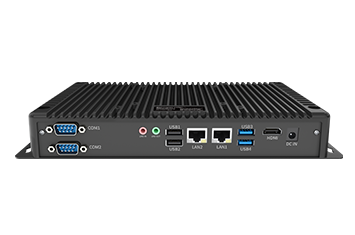
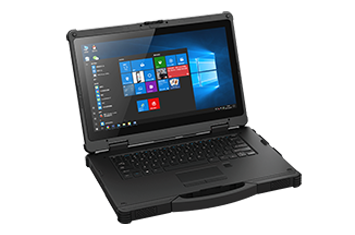
When architecting a reliable mobile deployment, Onerugged provides a comprehensive portfolio of industrial computing hardware tailored for enterprise realities.
Rather than treating data capture as an accessory, Onerugged integrates high-performance scanning architecture directly into ruggedized frames designed for the rigors of modern industry. From handheld computers optimized for warehouse logistics to versatile rugged tablets built for vehicle-mounted operations, Onerugged hardware focuses on reducing downtime and maximizing worker efficiency. By standardizing on enterprise-grade Android architectures, Onerugged ensures that IT departments can easily deploy, secure, and manage their fleet, driving a lower TCO and a higher return on technology investment.
In modern B2B supply chains, speed and accuracy are non-negotiable. An industrial handheld computer acts as the physical-to-digital bridge, capturing data at the edge—whether on a loading dock or a factory floor. By providing instantaneous, error-free data entry and withstanding the physical abuse of industrial environments, these devices prevent the costly bottlenecks and inventory blind spots that cripple complex supply chains.
Enterprise mobile computers streamline warehousing by eliminating paper-based processes and manual data entry. Integrated directly with the facility's WMS, these devices guide workers through optimized pick paths, verify items instantly via barcode or RFID scanning, and update inventory counts in real time. This drastically reduces picking errors, accelerates throughput, and ensures absolute accuracy in inventory auditing.
While consumer devices typically last 1-2 years in a commercial setting, purpose-built industrial handhelds are engineered for a 5 to 7-year lifecycle. This includes durable hardware components and extended enterprise-level software support, ensuring the devices remain secure and functional over long-term deployments.
Discover Onerugged’s rugged computing solutions, enterprise deployment services, industrial application cases, and customized mobility strategies for warehouse, manufacturing, logistics, and field operations.