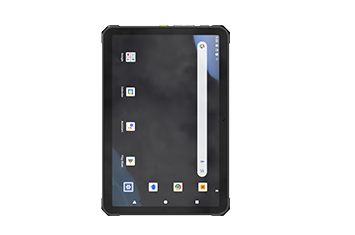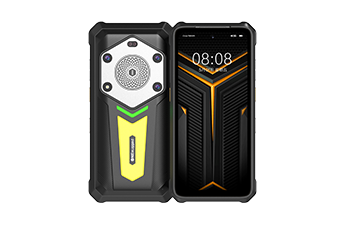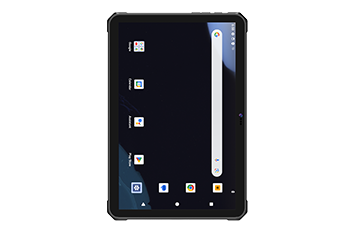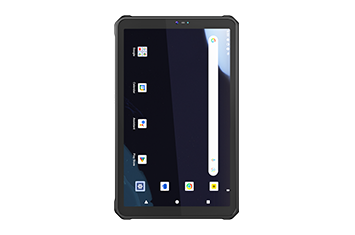

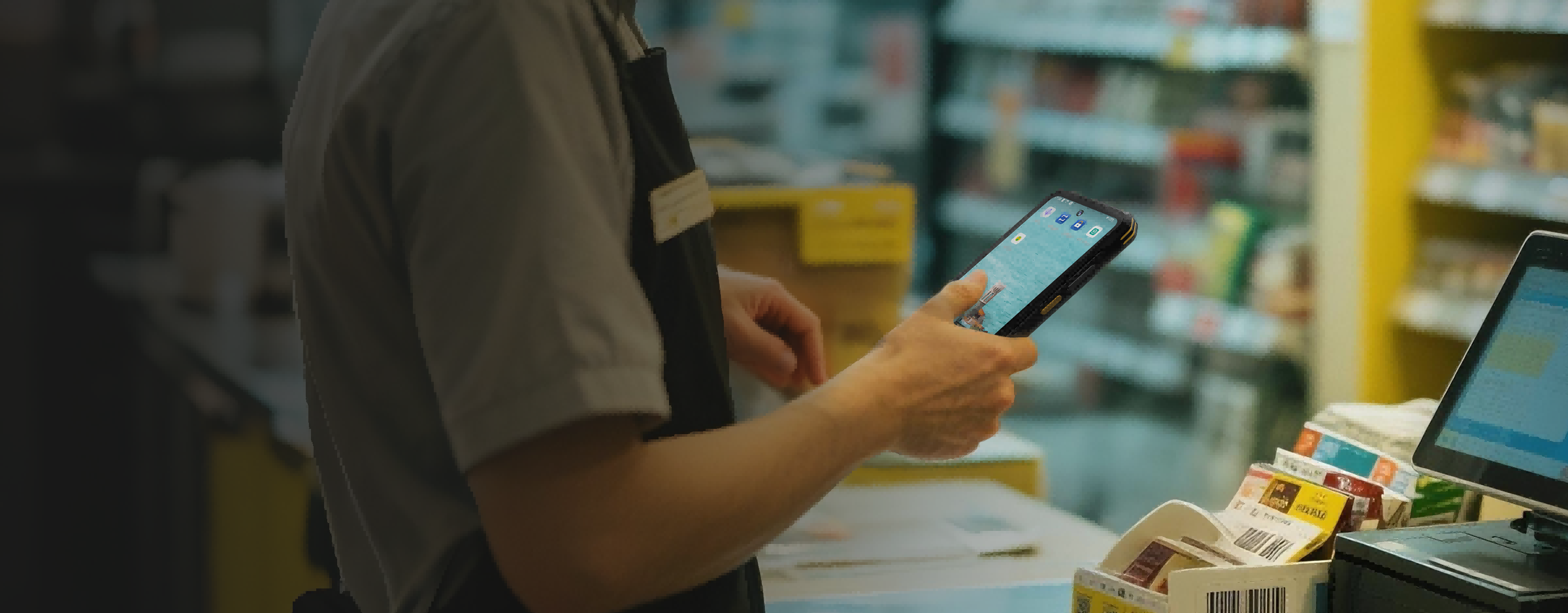
In modern smart manufacturing, data latency is a direct threat to throughput. When factory floor workers, assembly line operators, and warehouse teams rely on slow manual paper logs or fragile consumer-grade mobile devices, operations face frequent delays, high device replacement rates, and inventory errors.
To maintain continuous assembly schedules, ensure quality control, and scale shop-floor productivity, industrial operations are replacing consumer technology with a dedicated rugged handheld for manufacturing.
By serving as a resilient data capture node directly on the plant floor, these industrial mobile computers bridge the gap between physical machinery and your central Enterprise Resource Planning (ERP) or Manufacturing Execution System (MES).
Industrial IT teams must evaluate hardware based on its ability to survive continuous shifts, chemical exposure, and intense dust. The table below outlines how dedicated rugged hardware compares against standard consumer devices.
| Engineering Attribute | Consumer Smartphone + Case | Commercial Handheld | Industrial Rugged Handheld (e.g., Onerugged) |
| Ingress Protection | IP67 (Vulnerable to continuous fine dust) | IP65 (Light splash protection only) | IP68 Certified (Complete dust sealing & waterproof) |
| Impact Standards | None (Prone to screen cracking on steel surfaces) | Limited drop ratings | MIL-STD-810H (Shock, vibration, and drop proof) |
| Scanning Engine | Camera-based app (Slow, struggles with metallic reflection) | Basic integrated laser | Hardware-accelerated 2D imager (Decodes instantly) |
| Power Lifecycle | Sealed internal battery (Requires mid-shift docking) | Standard fixed battery | Hot-swappable smart batteries (Continuous 24/7 run-time) |
| Enterprise OS Life | 1–2 years consumer support | 2–3 years basic patches | Long-term Android Enterprise Recommended support |
Industrial environments present extreme physical challenges that destroy standard office-grade mobile hardware. The following factors explain why consumer devices consistently fail in heavy-duty manufacturing:
Vibration and Micro-Fractures: Constant mechanical vibrations from heavy presses and assembly machinery break delicate internal solder points on consumer boards.
Aerosols, Fluids, and Dust Ingress: Airborne metal shavings, chemical lubricants, and fine industrial dust penetrate standard speaker meshes and USB ports, causing immediate short circuits.
Thermal Extremes: Standard smartphones suffer automatic thermal shutdowns when used near high-heat furnaces or inside cold-storage processing bays.
Inadequate Scanning Speed: Relying on a phone's built-in camera to scan barcodes slows down inventory checks and struggles to decode direct part marking (DPM) codes on reflective metallic surfaces.
Deploying a purpose-built rugged handheld device directly improves operational KPIs across several manufacturing workflows:
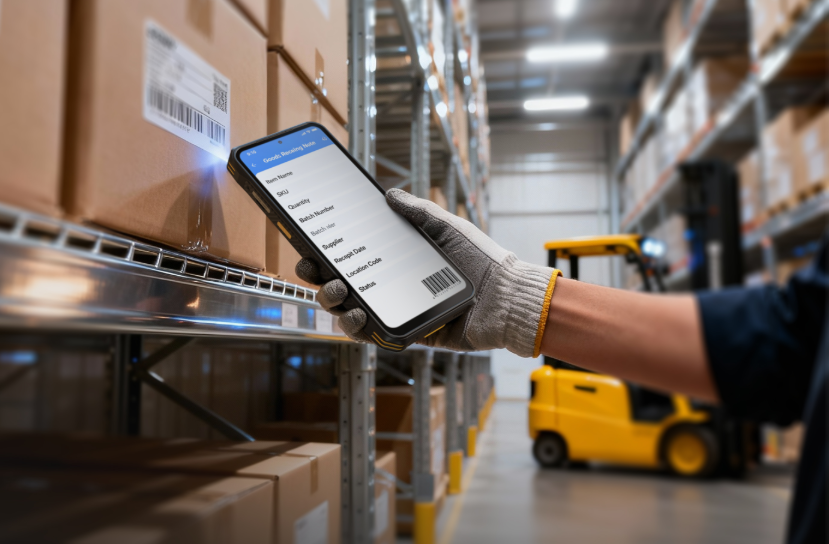
Zero-Downtime Data Capture: Integrated, high-speed 2D barcode scanners and RFID readers allow workers to log raw materials, check work-in-progress (WIP) parts, and verify finished goods in milliseconds—even if the barcode labels are dirty, damaged, or wrapped in plastic.
Continuous Shift Reliability: High-capacity, hot-swappable battery designs allow operators to swap power cells on the fly without shutting down open applications or losing their network connection, keeping assembly lines moving 24/7.
Seamless Factory Connectivity: Equipped with advanced Wi-Fi 6 fast-roaming protocols and 5G cellular networks, these handheld computers maintain solid connections to the cloud while moving across vast industrial spaces.
Environmental Resilience: With certified MIL-STD-810H shock protection and IP68 water and dust sealing, industrial handhelds easily survive repeated drops onto hard steel plates, exposure to cleaning chemicals, and extreme temperatures.
Transforming factory floor workflows requires a device that balances durability with ergonomic processing power.
To meet these strict requirements, Onerugged provides a robust lineup of enterprise-class mobile terminals designed specifically to optimize plant logistics and production tracking. Running on a secure, highly customizable Android OS, Onerugged handheld devices offer processing power, bright daylight-readable displays, and high-performance scanning components.
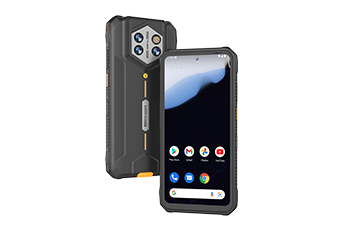
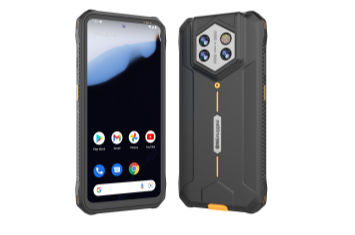
By selecting specialized models like the Onerugged H68T, manufacturing operators gain a tool capable of executing advanced stock counts, running complex mobile POS/ERP applications, and communicating via built-in team messaging utilities. Backed by hot-swappable battery options and robust drop ratings, Onerugged mobile terminals ensure your factory operations run smoothly without expensive device downtime or broken screens.
Implementing a rugged hardware fleet across your manufacturing facility is a straightforward, structured process:
Assess the factory environment for specific physical hazards, such as chemical exposure, high vibration zones, extreme temperatures, or long-range scanning needs.
Step2.Device Profile Mapping
Configure system settings, map physical buttons for rapid scan functions, and whitelist approved industrial applications to create a secure, distraction-free interface.
Enroll devices in a centralized Mobile Device Management (MDM) platform for automated, over-the-air deployment of software updates and security policies.
Equip floor workers with the terminals and provide brief instruction on basic device care, hot-swapping batteries, and scanning techniques to maximize immediate adoption.
An IP67 rating indicates that a device can withstand temporary water immersion for up to 30 minutes. An IP68 rating provides a higher level of environmental sealing, ensuring the device is completely dust-tight and can survive continuous submersion in water under pressure, making it far more suitable for dusty, wet, or chemically treated factory floors.
Consumer-grade smartphones and tablets have high failure rates in industrial settings, often requiring complete replacement every 12 to 18 months. Rugged handhelds are engineered for a 3 to 5+ year operational lifespan. Their modular, highly repairable design significantly reduces hardware turnover, lowering both your long-term replacement costs and electronic waste.
Yes. Unlike consumer phone cameras, industrial rugged handhelds utilize dedicated hardware imaging engines. These engines feature advanced decoders and built-in illumination to instantly read and process barcodes that are smudged, torn, low-contrast, or covered in dust and shrink wrap.
A hot-swappable battery system allows workers to swap out a depleted battery for a fully charged one without turning off the device. Because the handheld remains powered on during the swap, operators do not waste time rebooting the system, logging back into software, or reconnecting to the warehouse network.
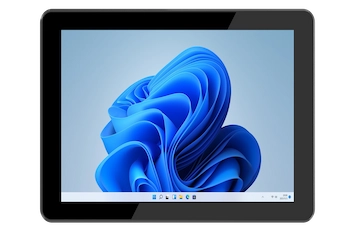
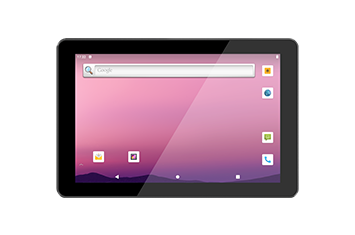
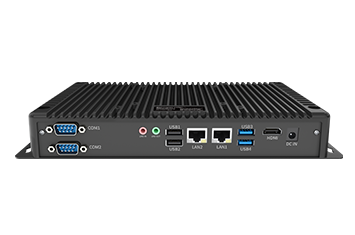
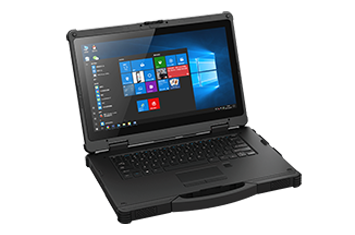
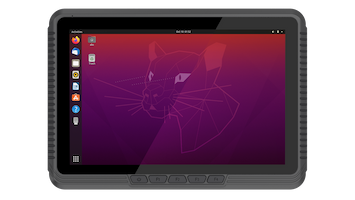
Eliminating downtime on the factory floor requires deploying mobile hardware you can rely on shift after shift. Onerugged designs and manufactures a comprehensive family of durable handheld computers, rugged tablets, and vehicle-mounted terminals engineered to keep your production data flowing and your workforce productive.
Discover Onerugged’s rugged computing solutions, enterprise deployment services, industrial application cases, and customized mobility strategies for warehouse, manufacturing, logistics, and field operations.