
Artificial intelligence is moving beyond simple question-and-answer interactions. As AI models become more capable of reasoning, generating content, and processing complex instructions, the next challenge is connecting AI with the devices, data, and computing resources that people use every day.
This is where Ailyn, Emdoor’s AI intelligence hub, comes in.
Ailyn is designed to connect AI models with local devices, data, and computing resources through an on-device-first architecture, multi-device collaboration, and device-cloud orchestration. Rather than treating AI as an isolated cloud service, Ailyn aims to create a connected intelligent environment in which AI can understand context, access relevant resources, coordinate different devices, and support real-world tasks.
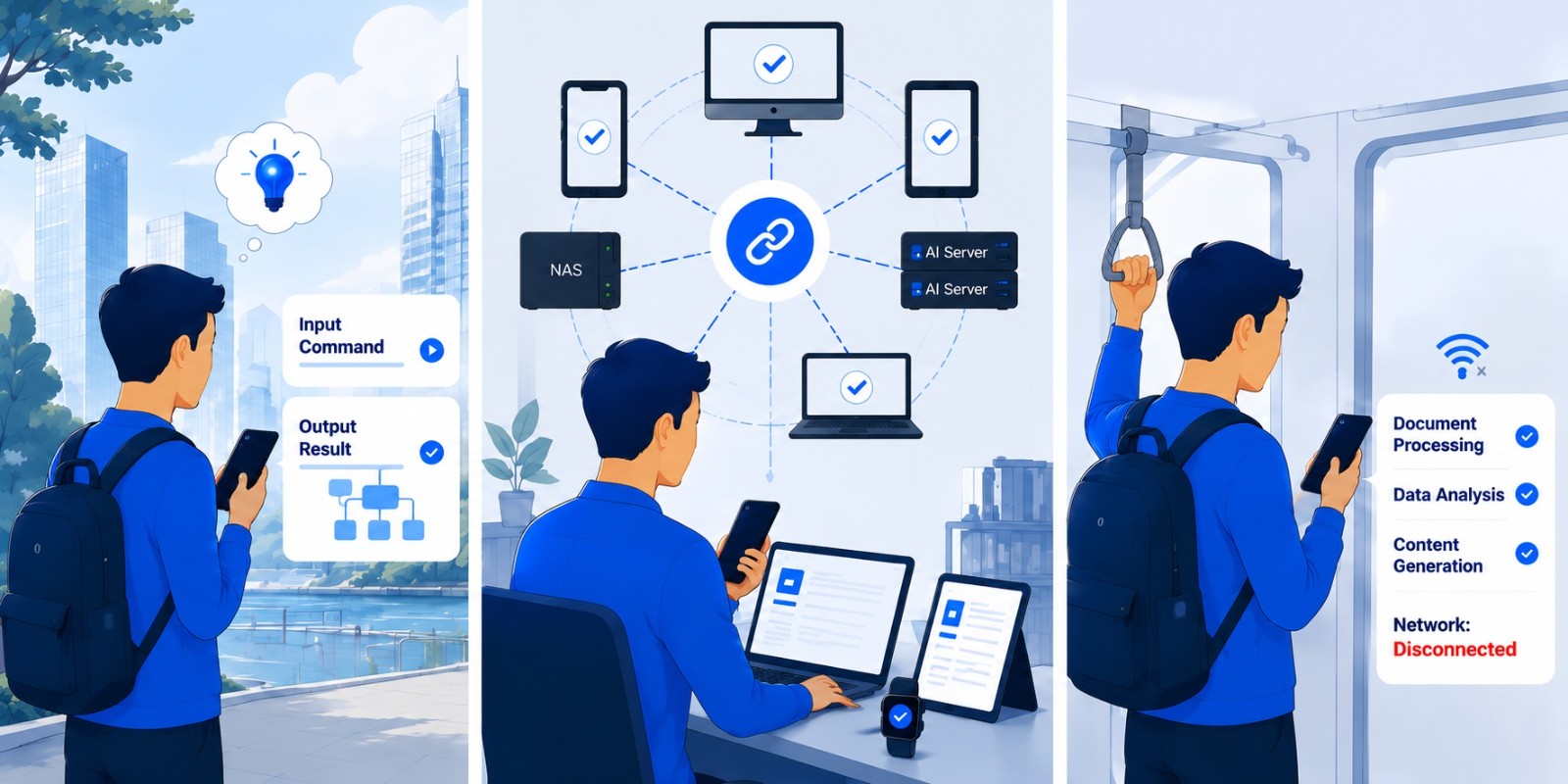
AI models have become increasingly powerful, but using AI in practical scenarios can still involve considerable manual work.
For example, information needed for a task may be distributed across a smartphone, PC, wearable device, industrial terminal, or other connected equipment. Before an AI system can analyze that information, users may need to transfer files, export data, switch between applications, or repeatedly explain the surrounding context.
This creates a gap between AI intelligence and the physical environment where information is generated.
A language model may understand how to solve a problem, but it may not know where the required information is stored, which device can provide the data, or which computing resource should perform the next step.
The real challenge, therefore, is no longer simply making AI models more intelligent.
It is about giving AI the ability to:
Understand the user's context and intent
Access relevant local data
Communicate with connected devices
Select appropriate computing resources
Coordinate multiple AI models
Turn AI-generated decisions into practical actions
Ailyn is designed around this concept.
Ailyn can be understood as a multi-device AI intelligence hub that brings together devices, data, AI models, and computing resources.
Instead of requiring every device to operate as an independent AI endpoint, Ailyn creates a connected environment where different devices can contribute their data, processing capabilities, sensors, and hardware functions to a broader AI workflow.
This approach is particularly relevant as computing environments become increasingly distributed.
A user's smartphone may provide personal data and sensors. A PC may provide additional processing power. A wearable device may collect real-time information. In industrial environments, rugged tablets, industrial PCs, vehicle-mounted computers, sensors, and other edge devices may generate operational data.
Ailyn is designed to coordinate these distributed resources and make them available to AI when required.
This concept also aligns with the development of rugged computing and edge AI, where intelligent devices increasingly need to process information close to where data is generated.
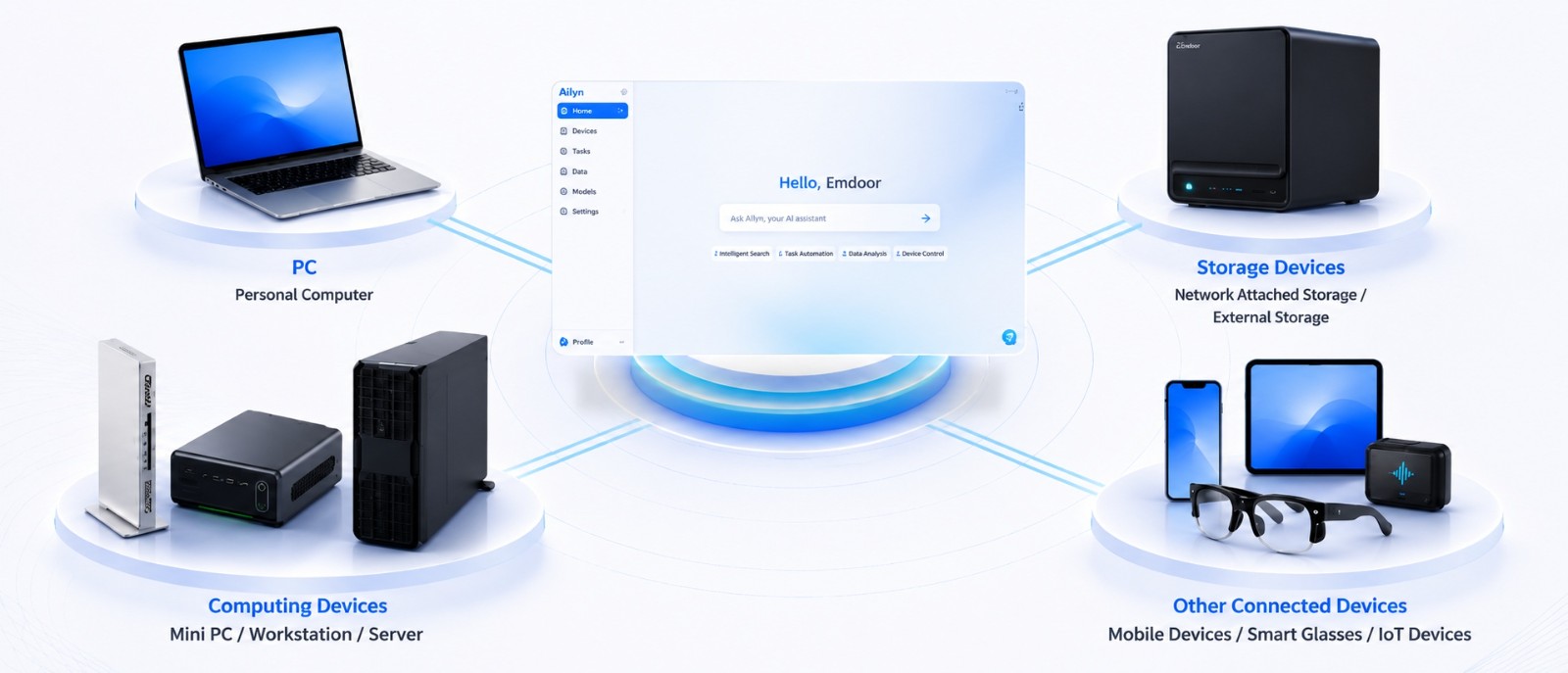
Traditional AI applications often depend heavily on cloud infrastructure. While cloud computing provides access to powerful models and large-scale resources, not every AI task needs to be sent to a remote server.
Ailyn adopts an on-device-first approach.
When a task can be handled locally, AI processing can take place directly on the device. This reduces unnecessary data transmission and allows the endpoint itself to become an active part of the AI system.
Frequently used or sensitive workloads can be processed using local AI models and available inference acceleration.
This allows suitable AI functions to operate without depending entirely on remote cloud services.
Keeping appropriate workloads on local devices can reduce unnecessary movement of sensitive information.
Access permissions and task execution can also be managed according to defined requirements, providing greater control over how local data is used.
Different AI tasks have different computing requirements.
Ailyn can coordinate available local and cloud resources according to the workload, helping avoid using expensive cloud computing resources when local hardware is sufficient.
Local AI processing can shorten the distance between data collection, inference, and action.
For applications where response time matters, reducing dependence on network communication can improve overall workflow responsiveness.
Some AI functions can continue operating when network connectivity is limited or unavailable.
This capability is especially valuable for field operations and industrial environments, where stable high-speed network access cannot always be guaranteed.
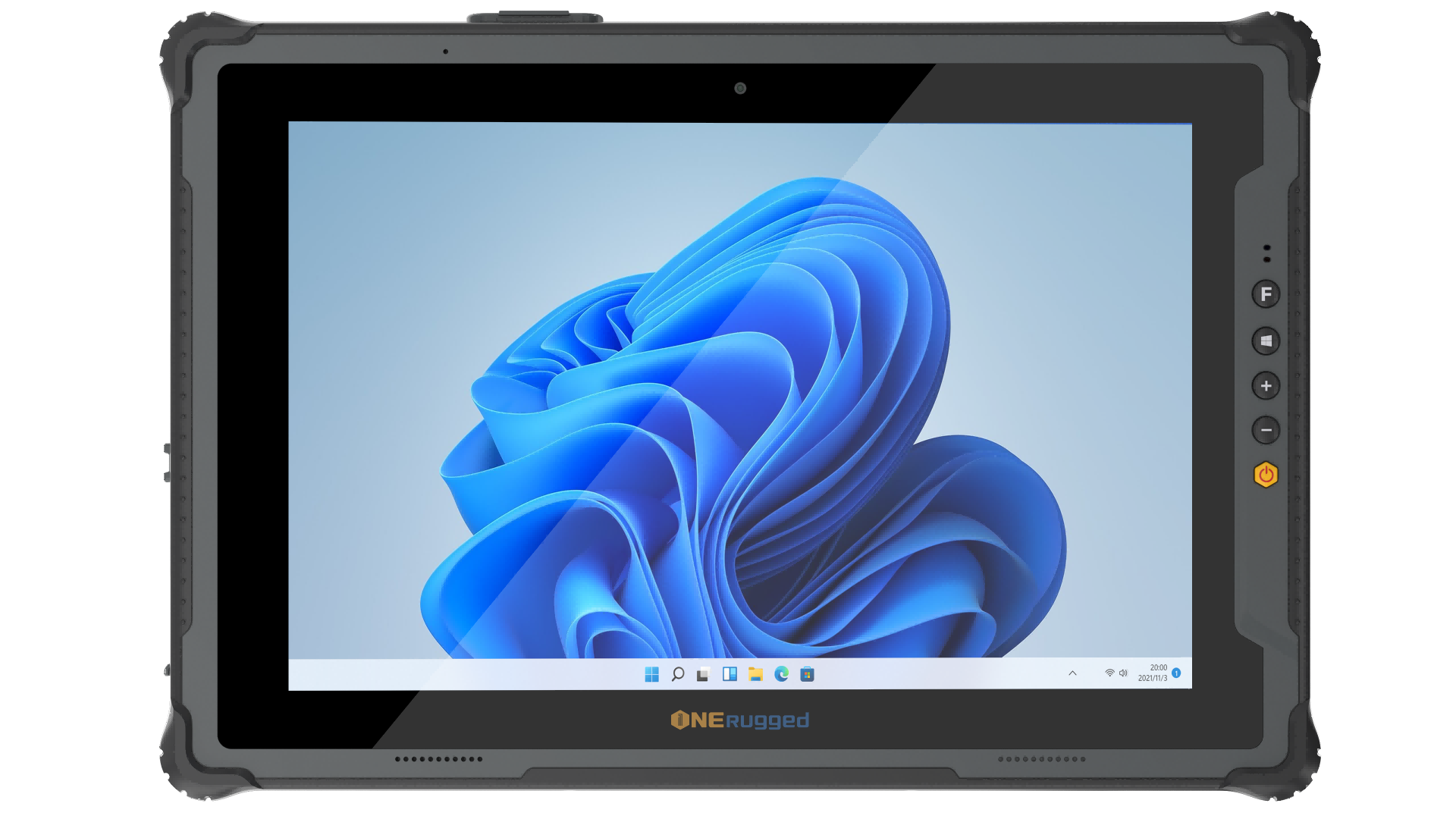
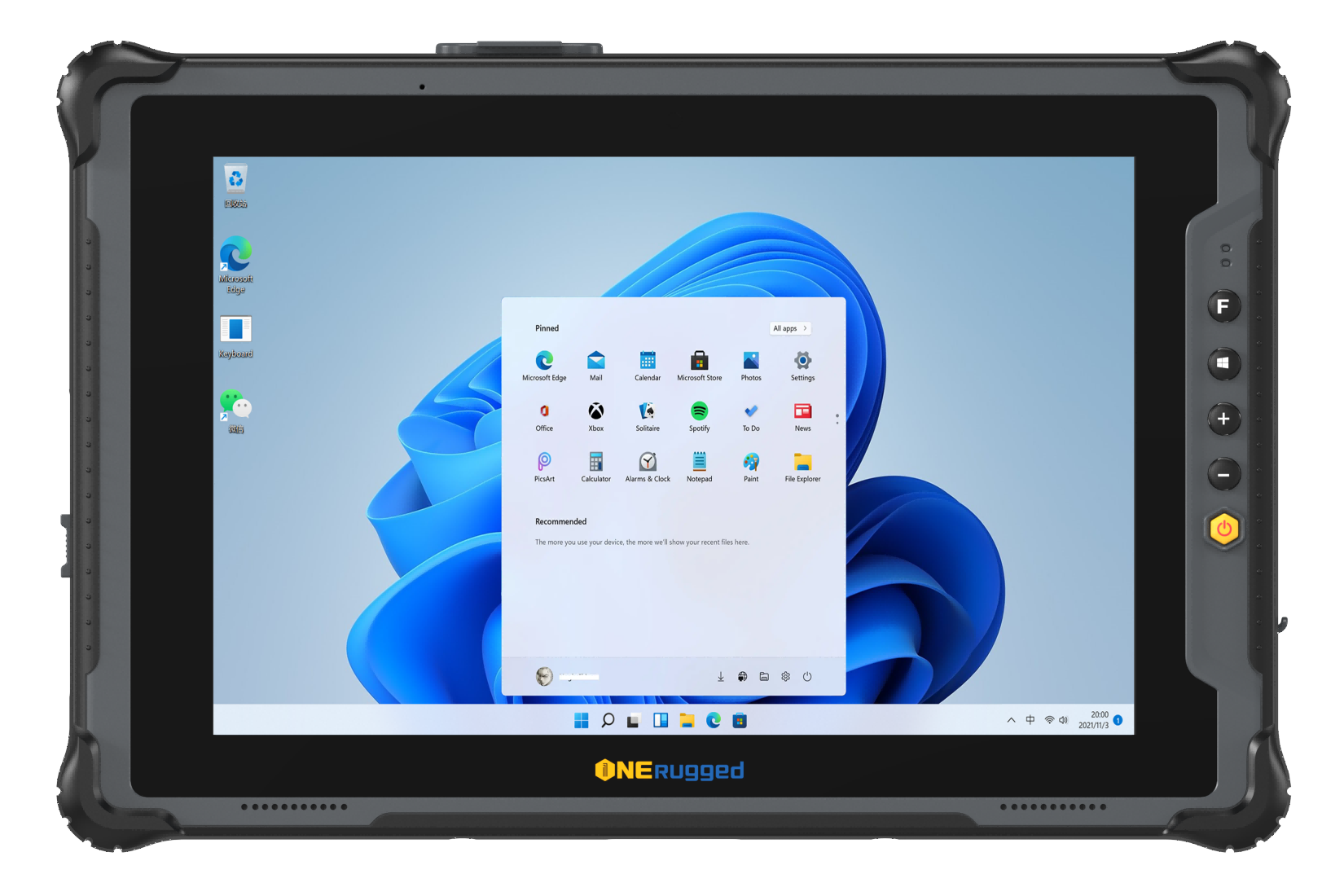
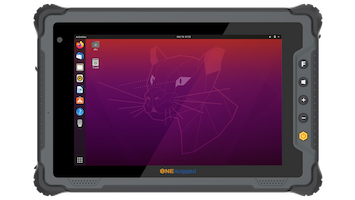
For example, rugged AI computers equipped with powerful CPU, GPU, and NPU resources can provide local computing capabilities for edge AI applications outside traditional data centers.
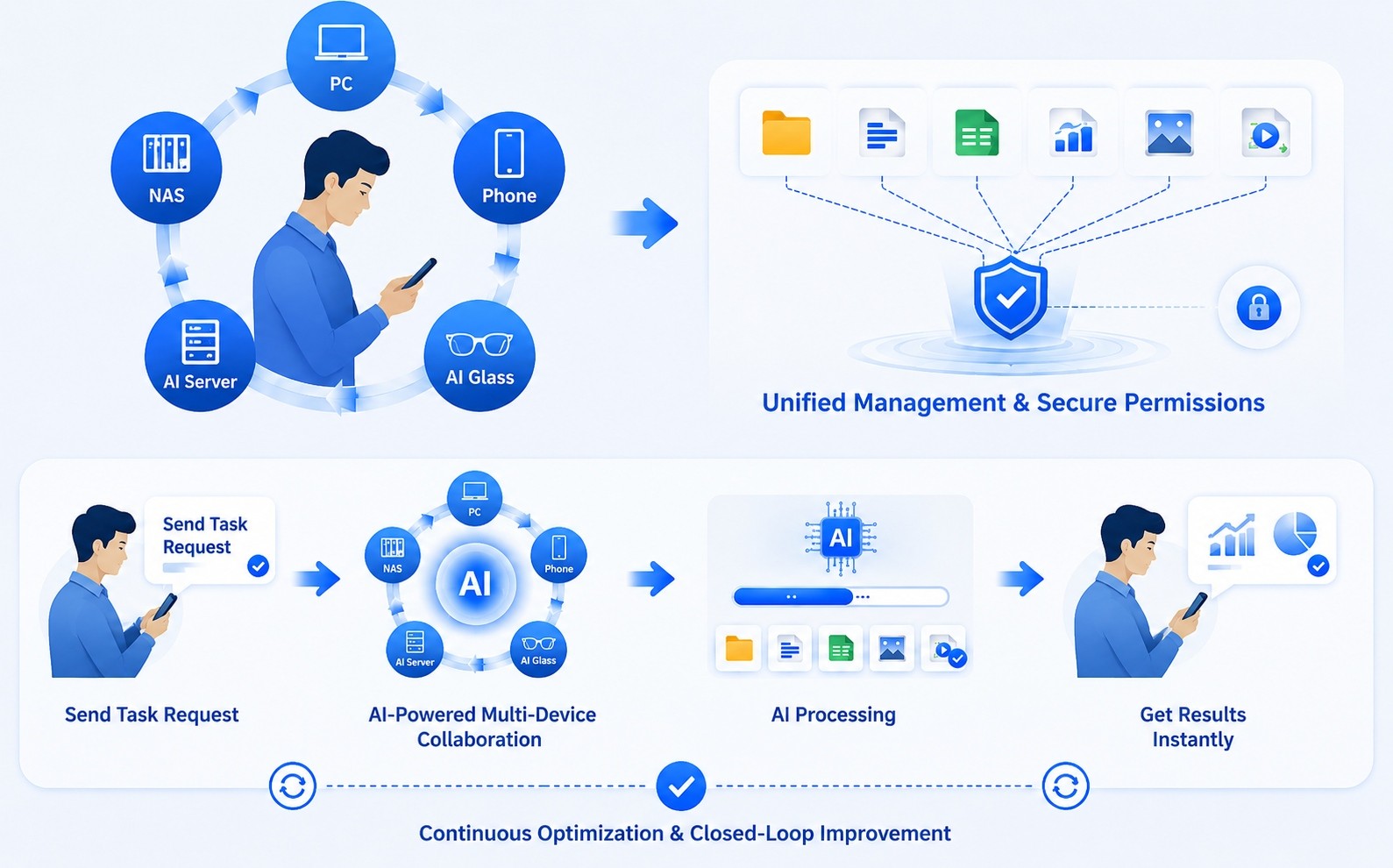
On-device AI addresses where intelligence can be processed, but it does not completely solve the problem of distributed information.
Modern computing environments often contain multiple devices with different operating systems, sensors, data sources, and processing capabilities.
Ailyn's multi-device collaboration architecture is designed to connect these separate endpoints into a coordinated AI environment.
Instead of requiring users to manually move information between devices, AI can potentially access resources across connected endpoints and coordinate different devices according to the requirements of a task.
Data generated by different connected devices can be accessed as part of a broader workflow instead of remaining isolated within individual endpoints.
This can help AI obtain more complete context when performing a task.
A task does not necessarily have to remain on a single device.
Information, task status, and results can move between connected devices while maintaining workflow continuity.
Relevant task information and results can be retained locally to support longer-term workflows.
This can provide additional context for future tasks and help create a more continuous AI experience.
Different AI models may be better suited to different types of tasks.
Ailyn can support the coordination of multiple models according to the requirements of a particular workflow rather than relying on a single model for every task.
Different endpoints may have different levels of computing capability.
By coordinating available resources across devices, workloads can be distributed according to the capabilities of each endpoint.
Connected IoT devices can also become part of AI-driven workflows.
Sensors, industrial equipment, terminals, and other connected devices can provide real-world data that AI can use to understand and respond to operational conditions.
In industrial scenarios, this approach can connect rugged computers, industrial PCs, vehicle-mounted computers, sensors, machines, and other edge devices into a more coordinated intelligent computing environment.
Local computing is not always enough.
Some AI workloads require larger models, greater processing power, or cloud-based computing resources. For this reason, Ailyn does not position on-device AI and cloud AI as competing technologies.
Instead, it follows a local-first, cloud-enhanced architecture.
The basic principle is simple:
Use local computing when local resources are sufficient, and leverage cloud resources when additional capabilities are required.
Tasks that can be efficiently handled by the local device can remain close to the data source.
This can improve response time while reducing unnecessary data transmission.
For more complex tasks, Ailyn can coordinate local and cloud resources according to the requirements of the workload.
This allows the system to balance performance, privacy, network conditions, and computing resources.
When a task requires larger models or greater computational capacity, cloud-based AI resources can be used to supplement local hardware.
This hybrid approach allows AI systems to remain flexible instead of relying exclusively on either local or cloud computing.
The evolution of AI is not only about developing larger or more capable models.
The next step is connecting AI intelligence with the real environments in which people work.
In July 2026, Emdoor presented Ailyn at the World Artificial Intelligence Conference (WAIC), demonstrating its AI strategy across personal, home, enterprise, and industrial scenarios.
The underlying concept is to move AI beyond isolated applications and integrate it into complete workflows.
This means connecting several layers:
AI Models → Local Data → Devices → Computing Resources → Real-World Actions
Through on-device processing, multi-device collaboration, and device-cloud coordination, Ailyn explores how these layers can work together as part of a unified intelligent system.
The concept becomes particularly important in industrial and field environments.
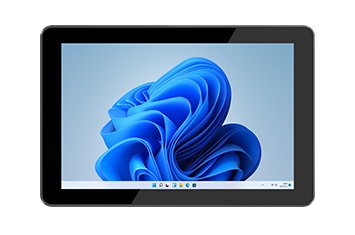
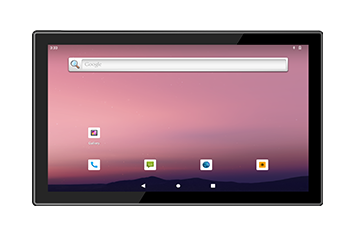
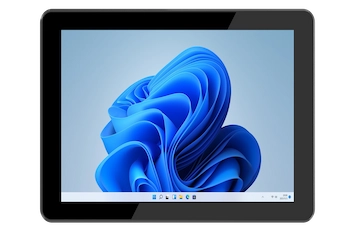
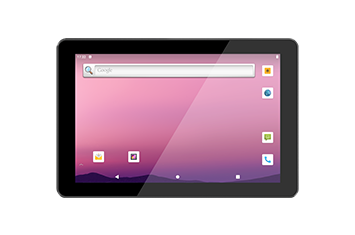
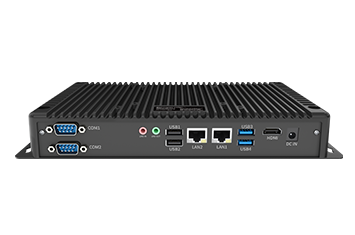
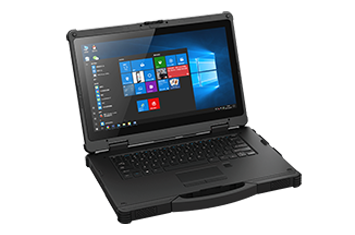
Industrial operations often generate large amounts of data through rugged tablets, industrial panel PCs, vehicle PCs, sensors, machines, and other connected equipment.
Sending every piece of information to the cloud may not always be practical because of network availability, latency, privacy requirements, or operational constraints.
Edge AI provides an alternative by bringing computing and intelligence closer to the point where data is created.
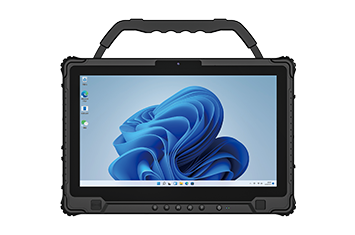
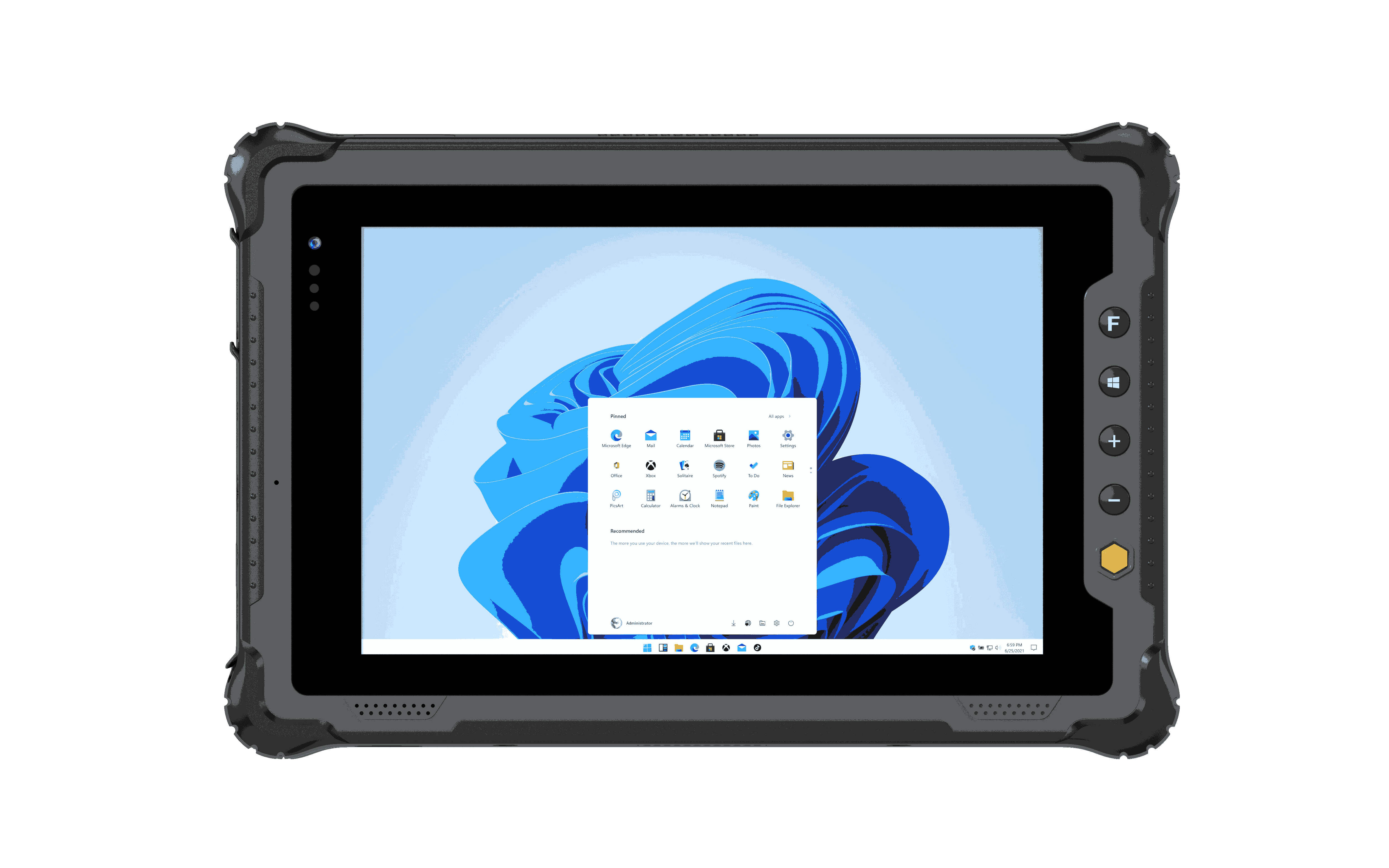
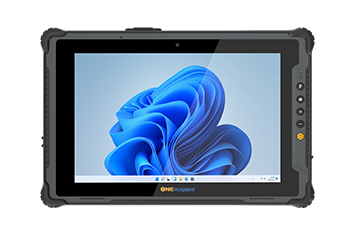
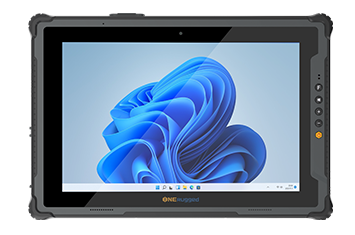
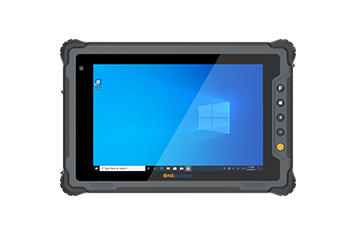
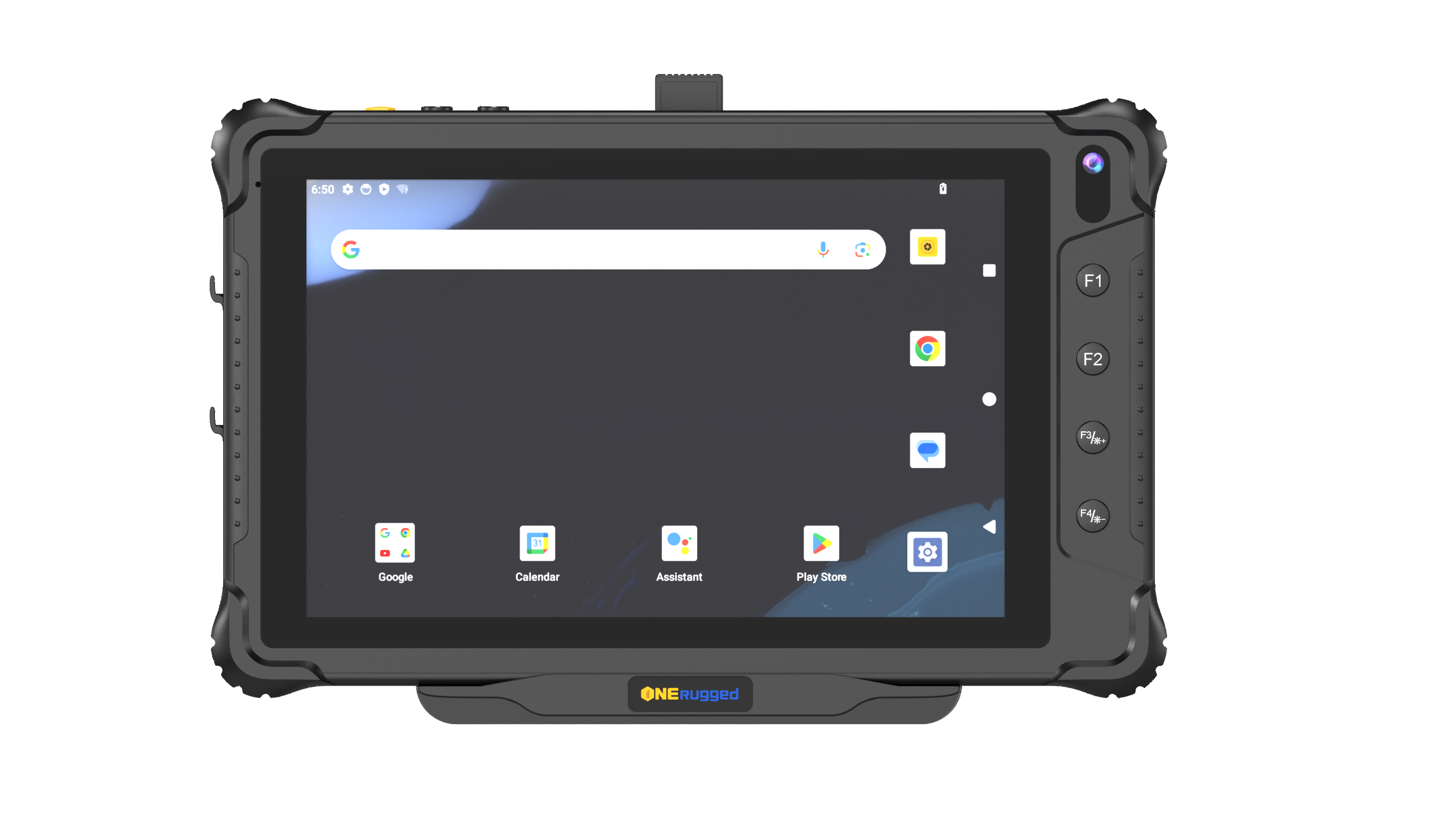
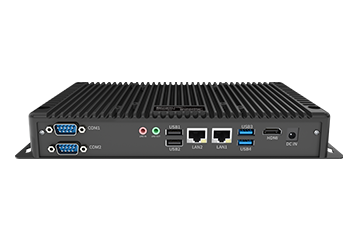
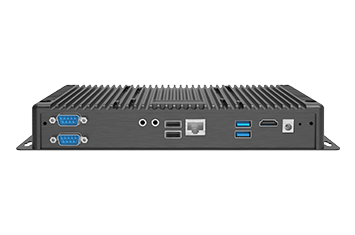
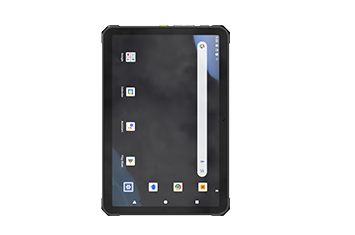
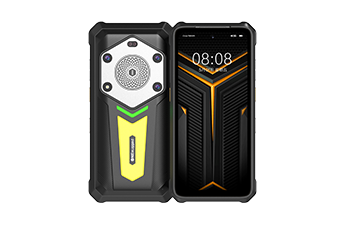
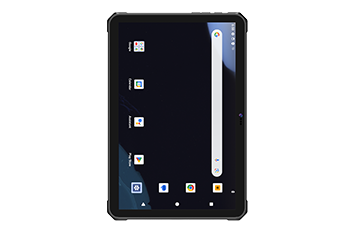
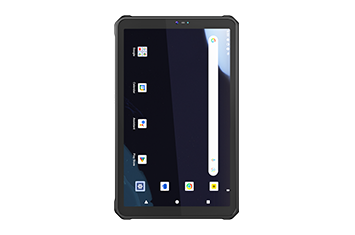
Emdoor's rugged AI computing portfolio is designed to support this trend.
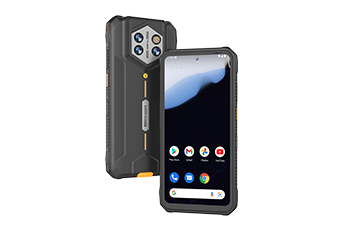
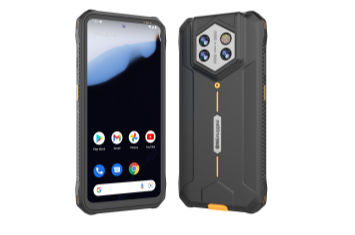
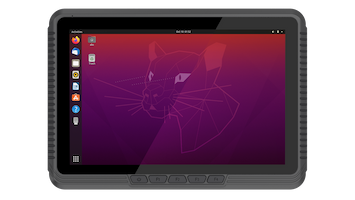
For example, AI-capable rugged computers can provide local processing resources for demanding workloads in field service, industrial automation, logistics, transportation, and other professional environments.
By combining capable hardware with intelligent software and multi-device connectivity, distributed computing environments can become more responsive and adaptable.
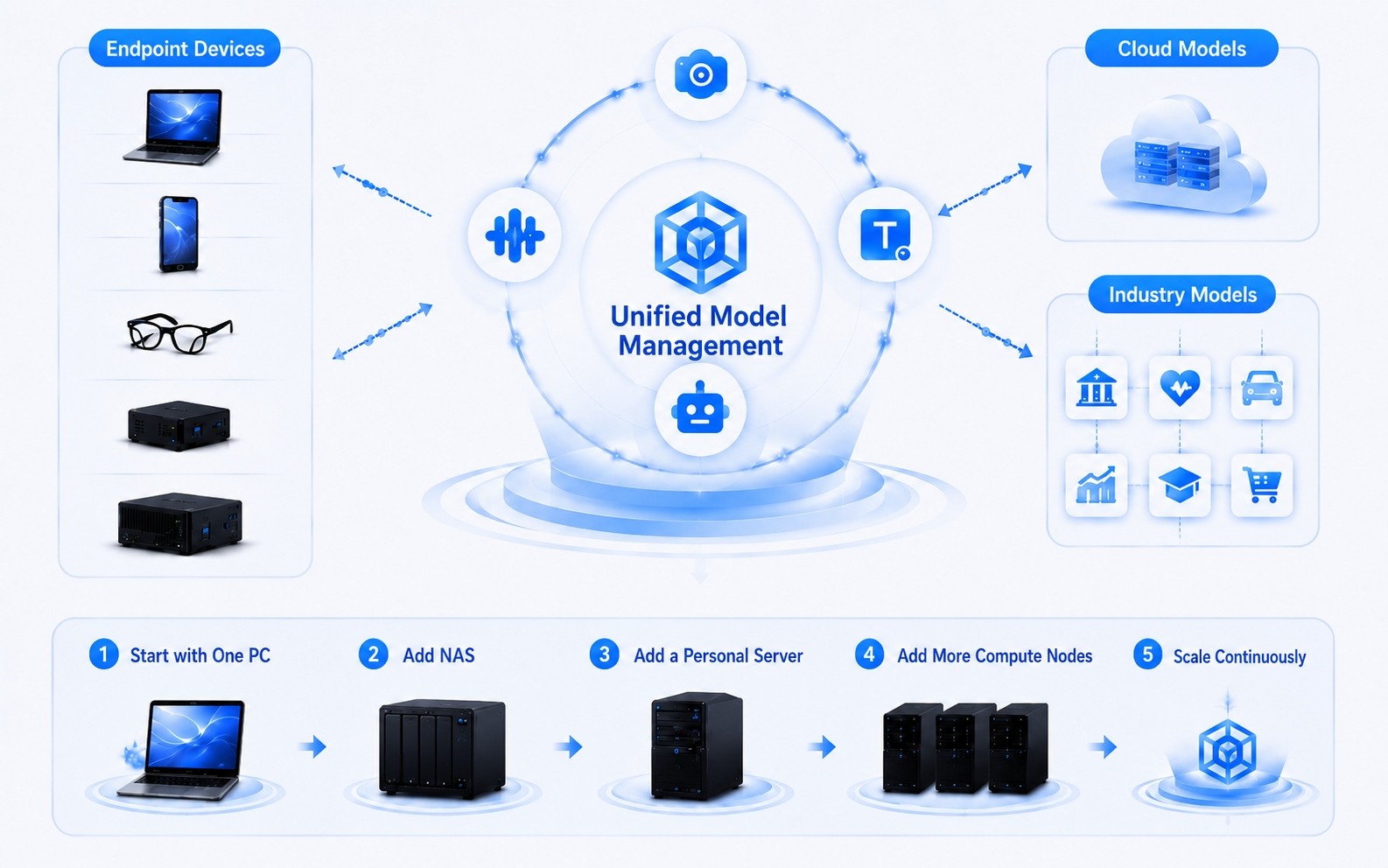
The future of AI is unlikely to be defined by a single device or a single model.
Instead, intelligent systems will increasingly involve multiple devices, multiple data sources, and multiple computing environments.
A smartphone, computer, wearable device, industrial terminal, sensor, or rugged computer may each provide a different part of the information or computing capability required by an AI task.
The value of multi-device AI collaboration lies in bringing these resources together.
Ailyn's approach focuses on three key capabilities:
On-device intelligence — processing appropriate workloads close to where data is generated.
Multi-device collaboration — connecting distributed devices, data, and computing resources.
Device-cloud orchestration — combining local and cloud resources according to workload requirements.
Together, these capabilities can help transform AI from an isolated software application into a more connected intelligent computing environment.
AI is becoming more capable, but intelligence alone is not enough.
For AI to become genuinely useful in professional and industrial environments, it needs access to the right information, the appropriate computing resources, and the devices capable of carrying out real-world actions.
Ailyn represents Emdoor's exploration of this direction.
By combining on-device AI, multi-device collaboration, local and cloud computing, IoT connectivity, and edge AI, Ailyn is designed to connect AI models with the devices and resources around them.
As AI continues to move from the cloud into PCs, rugged tablets, industrial computers, IoT devices, and other edge endpoints, this connected approach may become increasingly important for building responsive, privacy-conscious, and efficient intelligent workflows.
Explore Emdoor's rugged computing and AI PC solutions to learn how edge computing hardware can support AI applications in industrial and professional environments.
Discover Onerugged’s rugged computing solutions, enterprise deployment services, industrial application cases, and customized mobility strategies for warehouse, manufacturing, logistics, and field operations.