
When artificial intelligence first entered the industrial sector, its applications were relatively basic. Early deployments focused on lightweight, low-risk tasks: drafting emails, summarizing general reports, or executing simple query-response workflows. Because these initial use cases involved non-sensitive data, enterprise IT leaders rarely scrutinized the underlying data pipelines.
However, as AI integrates deeper into enterprise mobility and industrial operations, the relationship between the workforce and machine intelligence has fundamentally shifted. Today, organizations are attempting to feed highly sensitive, mission-critical data into AI models—including proprietary CAD schematics, confidential supply chain telematics, internal meeting transcripts, and core customer databases.
This evolution forces industrial solution architects to confront two massive operational hurdles: data sovereignty and computational cost.
If proprietary warehouse data is processed entirely in the public cloud, is it truly secure? Furthermore, as AI utilization shifts from occasional queries to high-frequency, continuous background processing, can enterprises sustain the unpredictable overhead of continuous cloud compute?
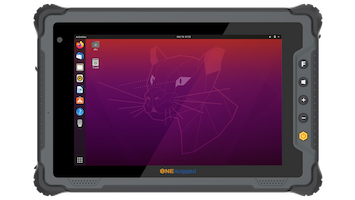
To address the privacy vulnerabilities and scaling costs of cloud-dependent AI, Emdoor Group has developed a systemic architectural solution: Ailyn. By deploying Ailyn's framework across enterprise hardware—such as Onerugged's industrial computing portfolio—organizations can leverage hybrid industrial edge AI computing. This approach secures sensitive data on local endpoints while utilizing edge-cloud synergy to optimize the total cost of ownership (TCO).
To understand the necessity of edge-centric AI, one must examine the operational bottlenecks of pure cloud architecture.
The Privacy Barrier:
In modern manufacturing and logistics, AI requires profound access to contextual data to function effectively. If an AI agent is tasked with optimizing a production line, it needs access to machine logs, worker output rates, and proprietary engineering designs. If this data defaults to cloud processing, it creates a massive attack surface. For many industrial sectors, security compliance dictates that critical operational data must never leave the facility's firewall.
The Cost and Latency Burden:
While massive cloud-based Large Language Models (LLMs) offer unprecedented reasoning capabilities, they are highly inefficient for repetitive industrial tasks. Continuously pinging a cloud server for routine data categorization incurs substantial token costs. Additionally, in rugged environments like mining sites or deep-freeze warehouses, cloud API latency and unstable network connections render cloud-dependent AI practically useless.
Emdoor’s Ailyn architecture eliminates the binary choice between local security and cloud capability. It introduces a dual-track operational model designed specifically for industrial deployment.
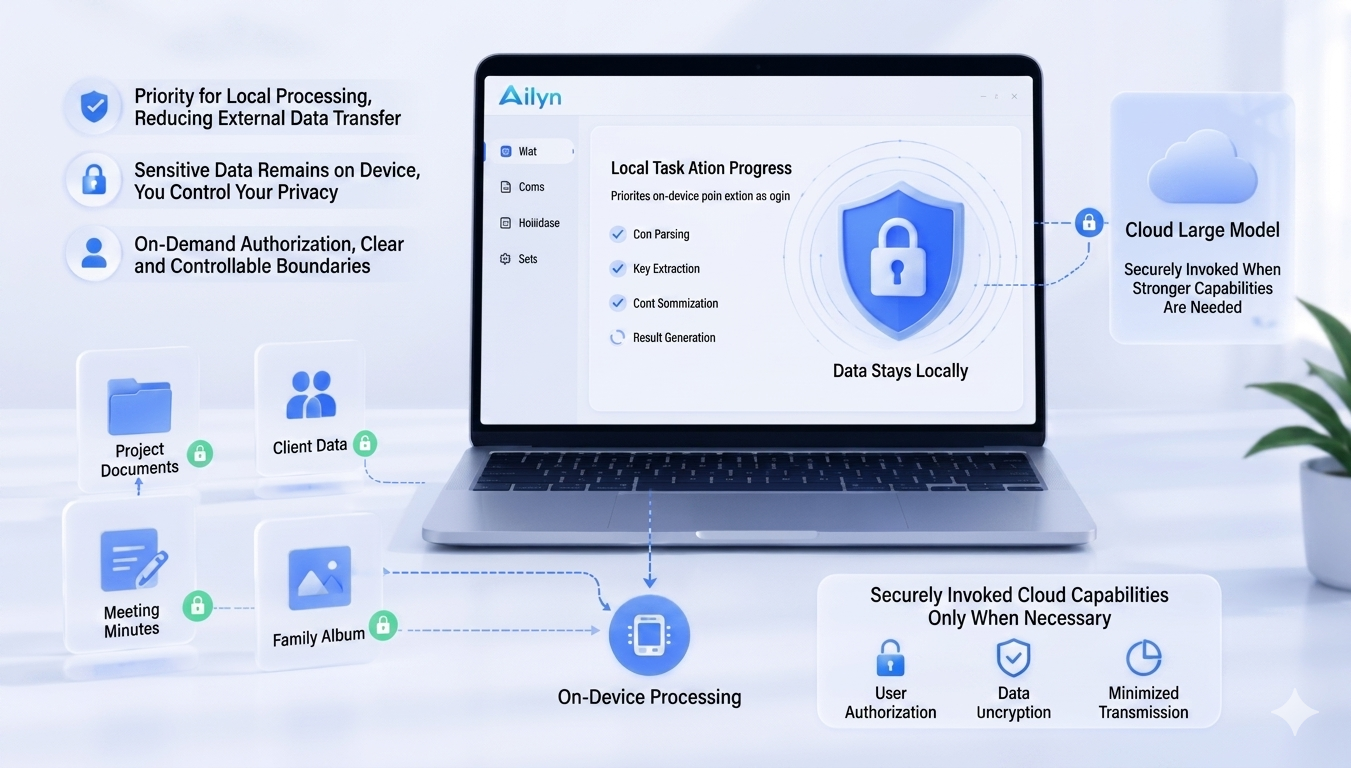
Ailyn operates on a principle of computational restraint: if a task can be executed locally, it must remain on the device.
Rather than indiscriminately uploading all prompts to the cloud, the Ailyn engine evaluates the computational requirement of each task. For example, if a field engineer needs to summarize a confidential maintenance log, Ailyn processes this entirely via high-performance edge computing (HPEC) on their rugged device. Data extraction, basic formatting, and keyword categorization happen entirely offline.
The system only invokes cloud infrastructure when advanced logic sequencing or vast knowledge-base retrieval is explicitly required—and only after receiving explicit user authorization and applying advanced data encryption. This edge-first prioritization ensures that AI respects the boundaries of corporate data.
For true industrial integration, AI must be sustainable. Ailyn breaks down monolithic workloads into optimized operational stages to maximize hardware efficiency.
Consider an inspector auditing a massive logistics hub. The first time they generate a complex site report, the system may briefly leverage cloud capabilities to establish the optimal analytical framework. However, for all subsequent, highly repetitive audits, Ailyn caches the execution pathway. The local edge processor on the rugged tablets takes over the heavy lifting of raw data filtering and basic formatting. Cloud processing is reserved solely for high-level tasks, such as generating predictive maintenance forecasts.
By matching the workload to the most appropriate compute environment, organizations drastically reduce unnecessary cloud expenditures while eliminating processing latency on the factory floor.
To maximize efficiency, the Ailyn architecture dynamically routes processes based on security and compute requirements.
| Operational Metric | Local Edge Compute (Ailyn) | Cloud Compute (Fallback) |
| Primary Use Case | Repetitive tasks, offline environments, sensitive data parsing | Complex reasoning, cross-database synthesis, predictive modeling |
| Data Security | Maximum (100% Local Retention) | Regulated (Encrypted API transmission) |
| Response Latency | Near-Zero (No network dependency) | Variable (Dependent on network strength) |
| Cost Structure | Fixed (Hardware investment) | Variable (Token usage / Subscription) |
| Best Hardware Fit | Vehicle-mounted computers, rugged handhelds | Centralized IT mainframes |
When Ailyn’s software intelligence is paired with purpose-built rugged hardware, it unlocks transformative capabilities across the industrial sector:
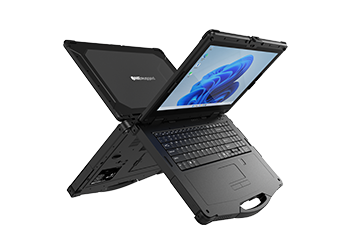
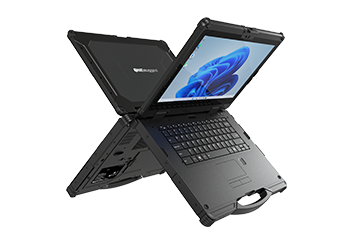
Secure Facility Audits: Inspectors can use heavy-duty rugged laptops to capture and analyze structural defect data using local computer vision models, ensuring zero proprietary imagery is leaked to public servers.
Offline Equipment Diagnostics: Field service technicians working in remote cellular dead-zones can utilize localized AI on their rugged tablets to instantly diagnose machine fault codes and retrieve repair protocols without internet access.
WMS Data Processing: Forklift operators utilizing vehicle-mounted terminals can rely on edge AI to instantly filter and categorize warehouse management systems (WMS) inventory data, eliminating UI lag and accelerating cross-docking operations.
The Ailyn architecture proves that AI execution should not be a one-size-fits-all cloud transaction. Simple tasks require lightweight processing, sensitive tasks require fortified local environments, and complex tasks require secure cloud collaboration.
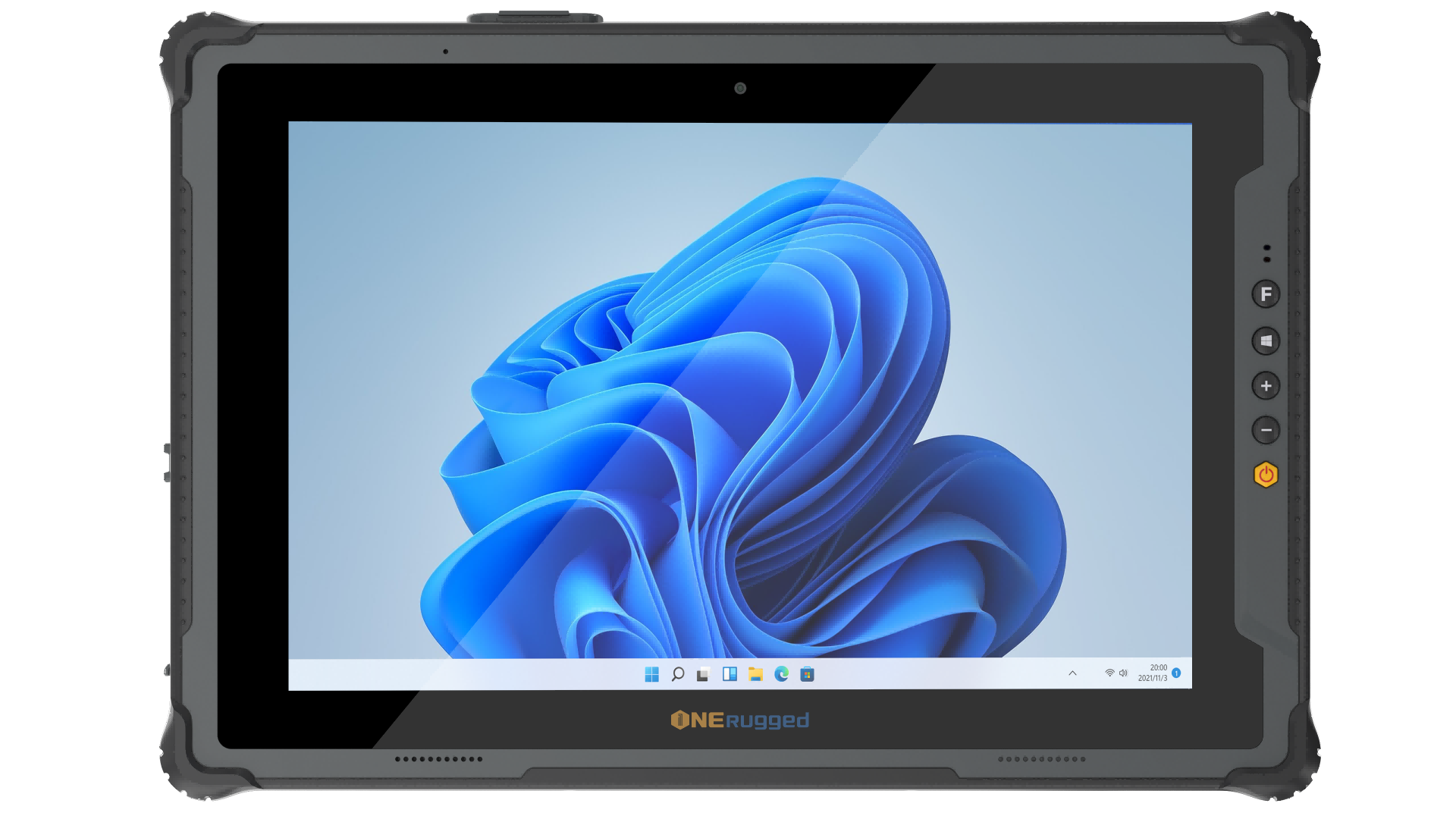
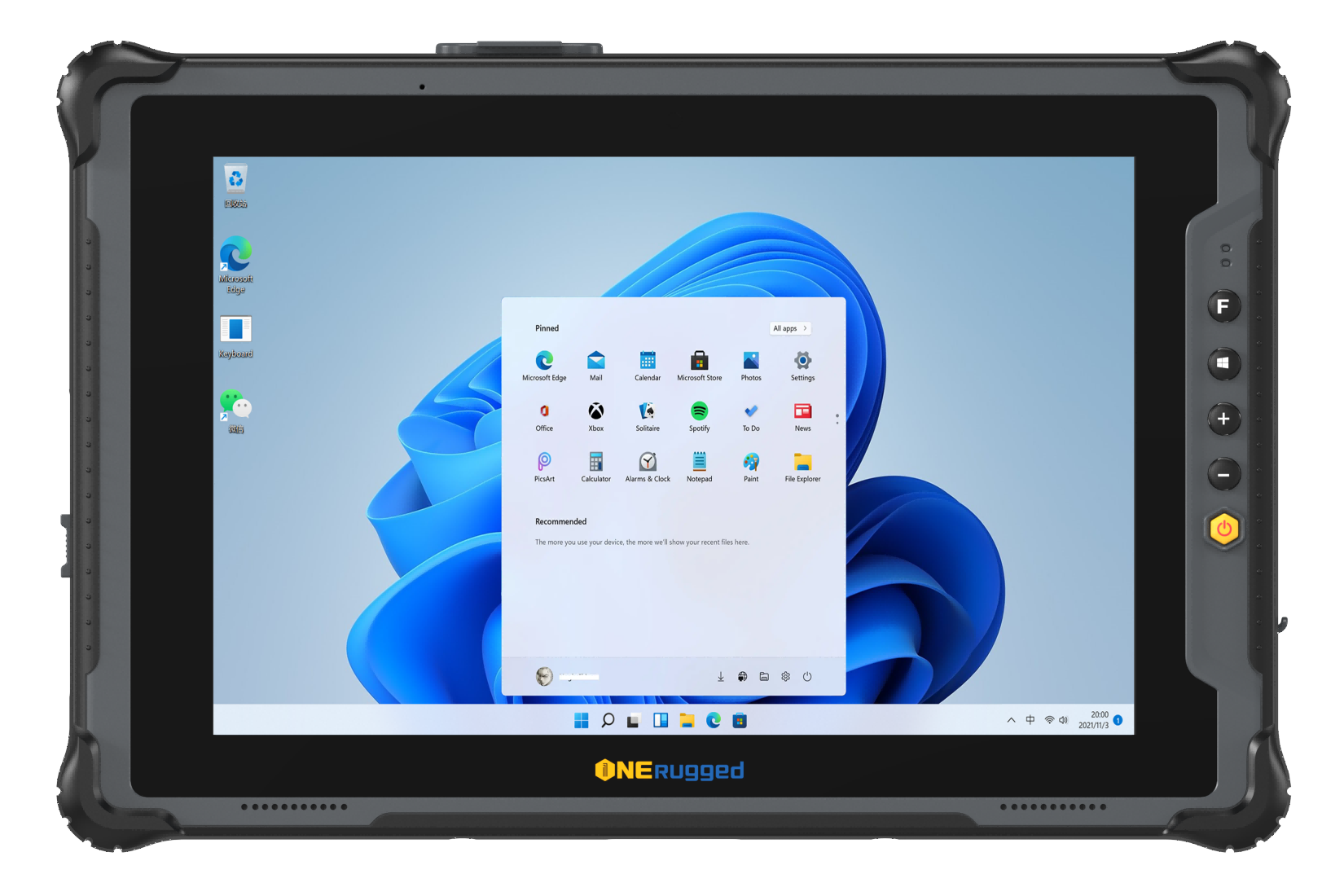
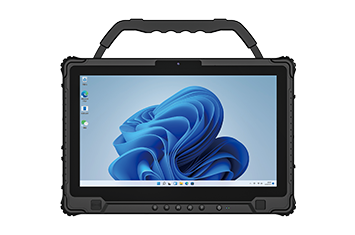
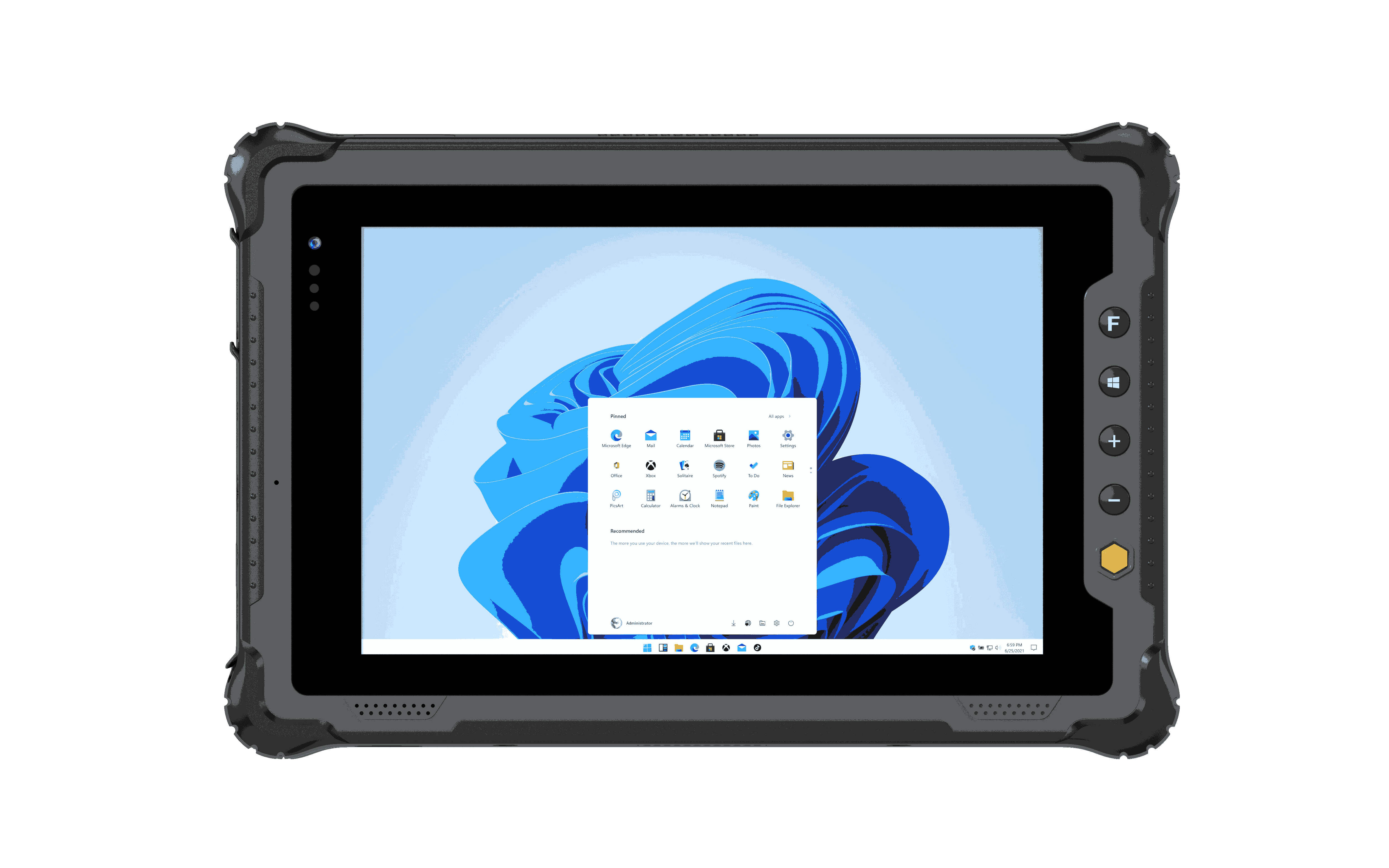
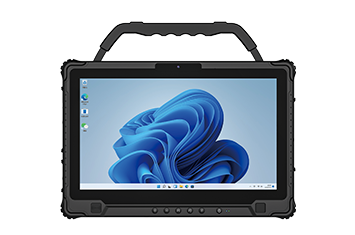
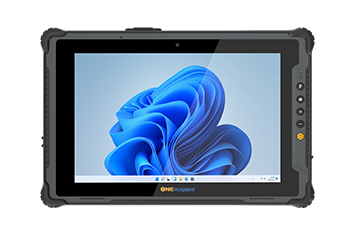
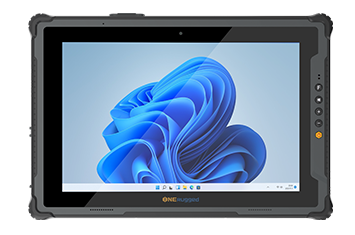
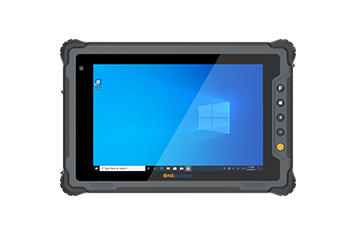
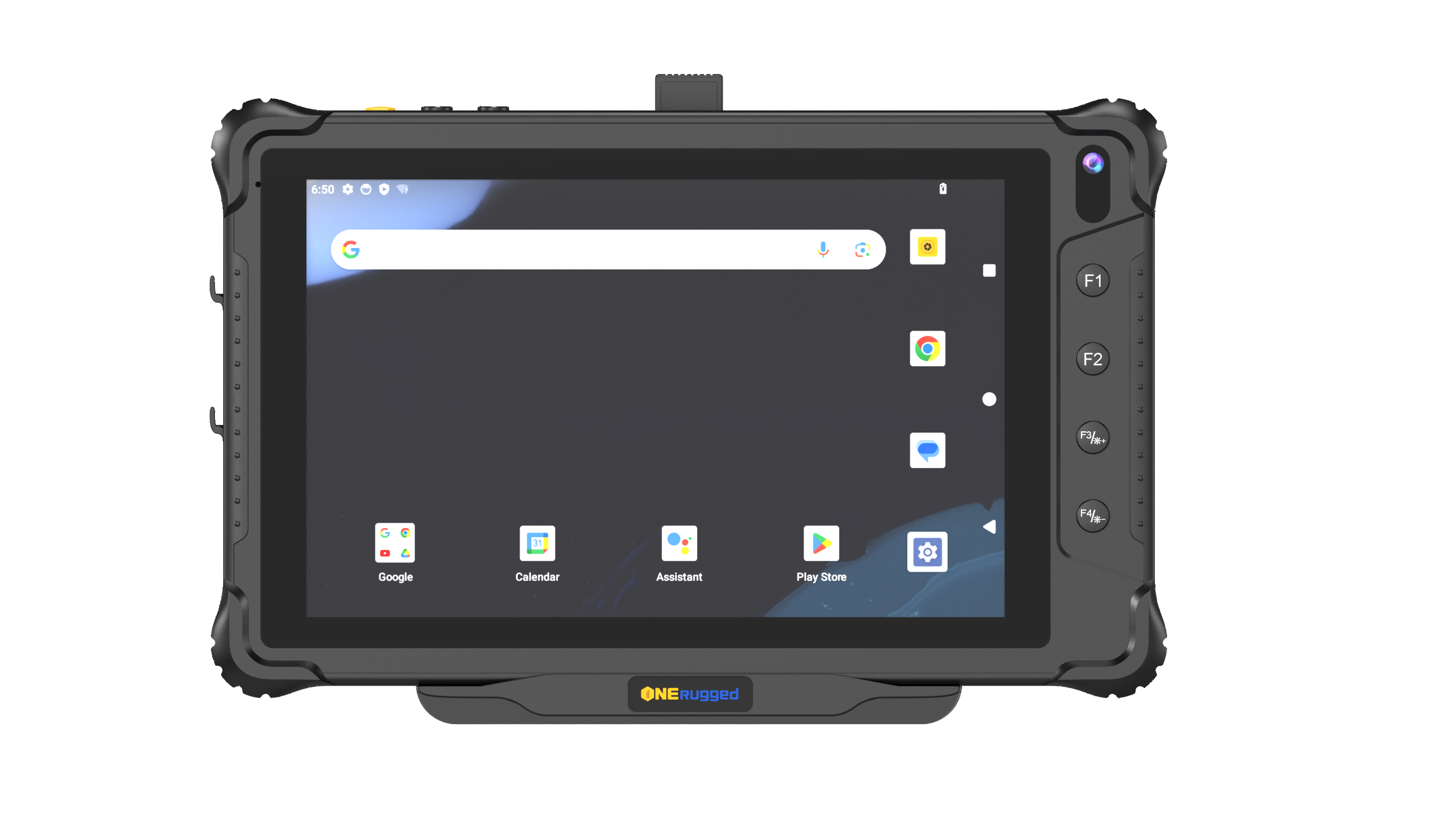
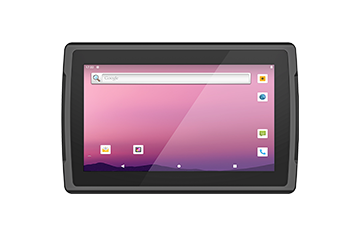
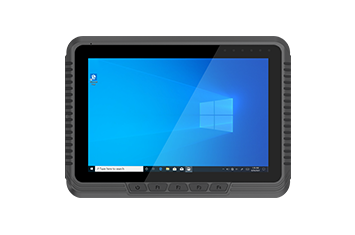
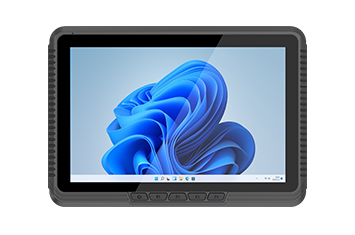
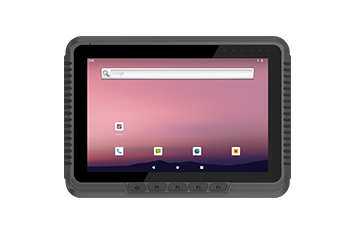
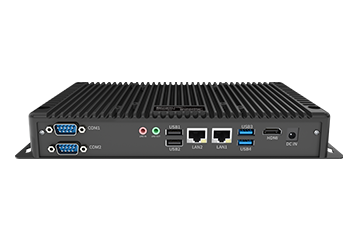
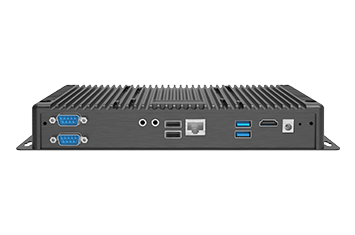
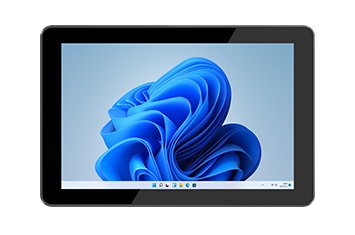
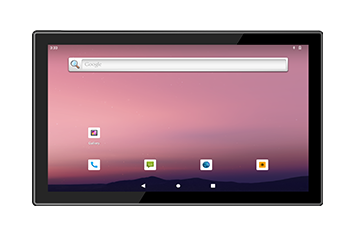
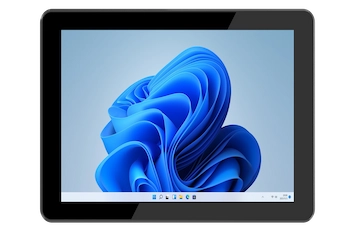
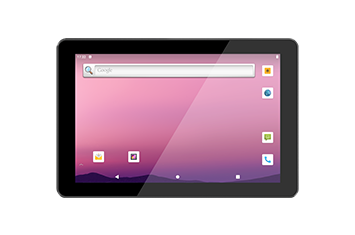
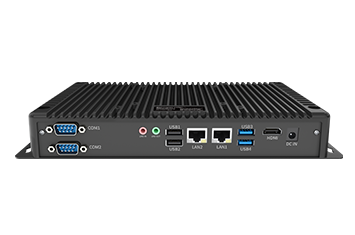
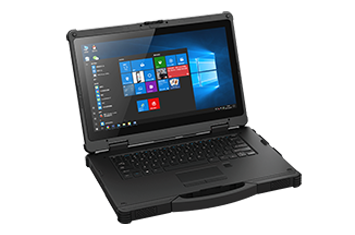
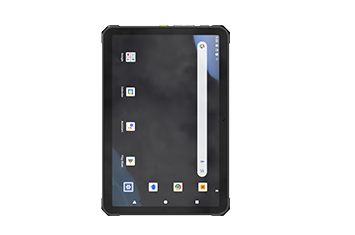
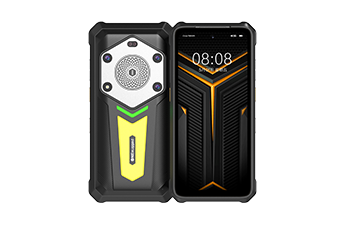
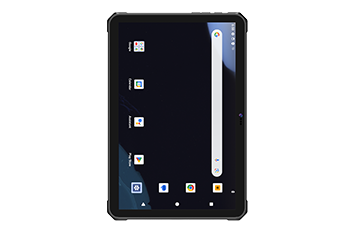
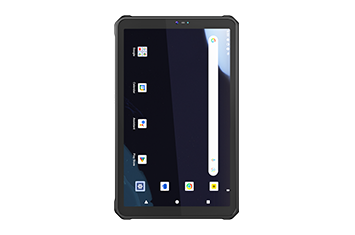
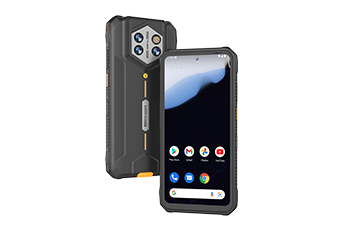
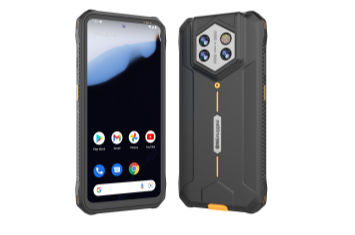
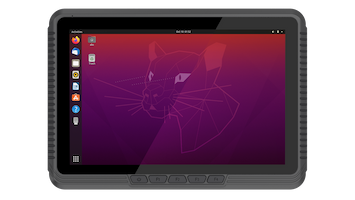
To bring this philosophy to the physical world, Onerugged delivers a comprehensive ecosystem of industrial-grade hardware. By integrating robust neural processing units (NPUs) into its rugged tablets, laptops, and vehicle terminals, Onerugged ensures that your frontline workforce has the localized compute power necessary to execute Ailyn’s edge-first architecture.
Deploying Onerugged hardware ensures your enterprise data remains adjacent to the user, computation occurs exactly where it is needed, and your organization achieves the ultimate balance of AI capability, security, and cost-efficiency.
By intercepting and processing high-frequency, repetitive tasks locally on the hardware, edge AI drastically reduces the volume of data sent to commercial cloud LLMs. This minimizes recurring API token costs and reduces server bandwidth expenses, shifting the TCO from a variable monthly software expense to a fixed hardware investment.
Yes. Rugged devices equipped with sufficient local compute and NPU acceleration can run compressed, quantized AI models natively. This allows field technicians to perform offline equipment diagnostics, natural language search of localized schematics, and automated report generation in environments with zero cellular or Wi-Fi connectivity.
Consumer tablets lack the active thermal management and ruggedized chassis required to sustain high-load AI processing over long shifts. Sustained edge compute generates significant heat; industrial rugged tablets utilize specialized fanless heat dissipation and durable internal frameworks to prevent thermal throttling, ensuring the AI model runs consistently in harsh warehouse or outdoor environments.
Discover Onerugged’s rugged computing solutions, enterprise deployment services, industrial application cases, and customized mobility strategies for warehouse, manufacturing, logistics, and field operations.