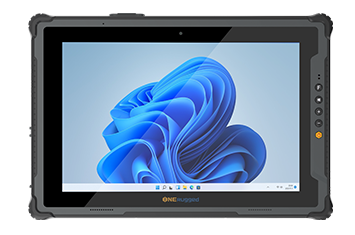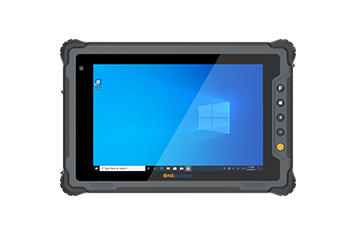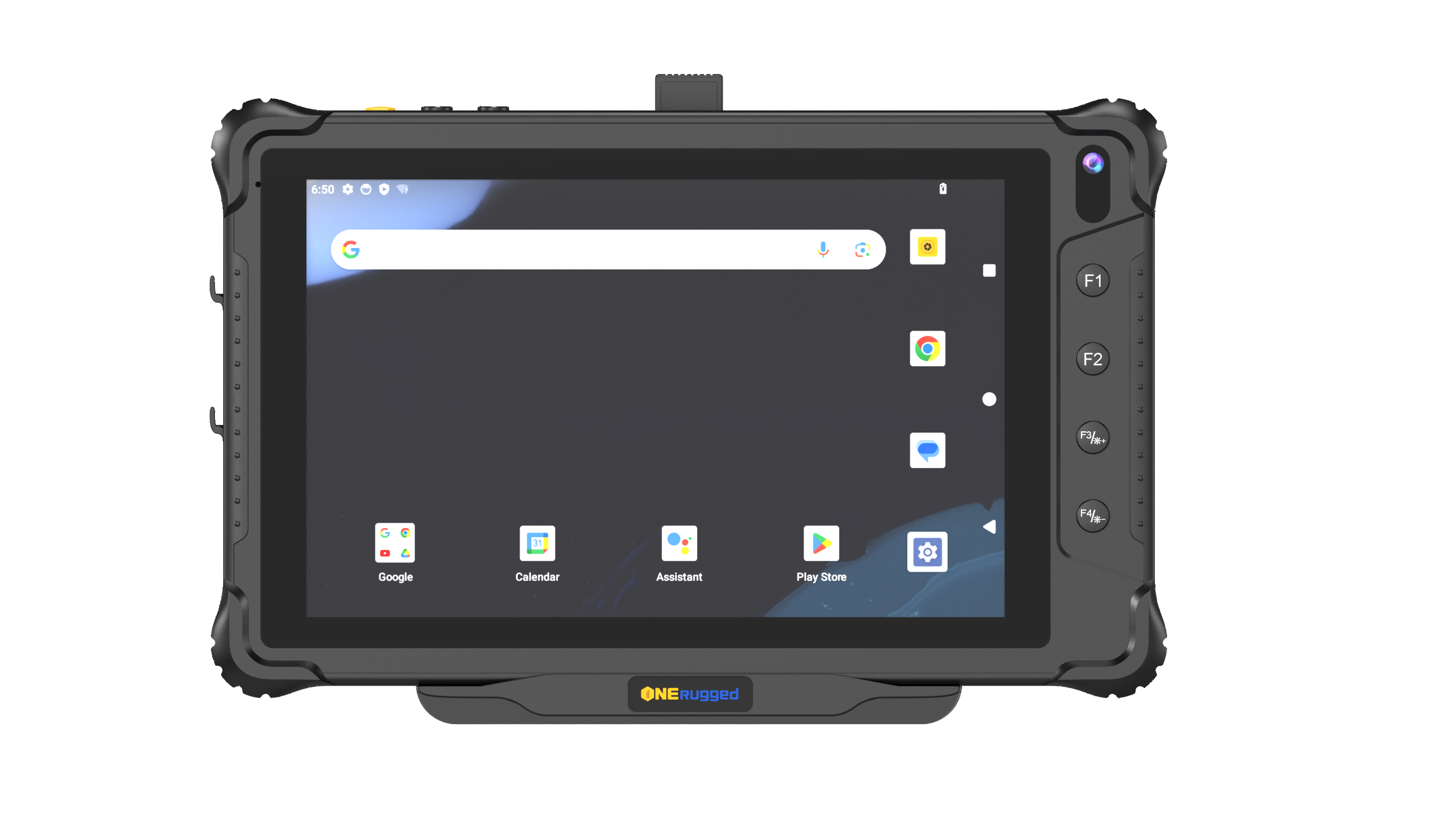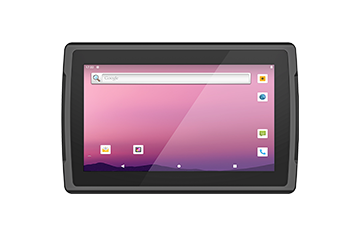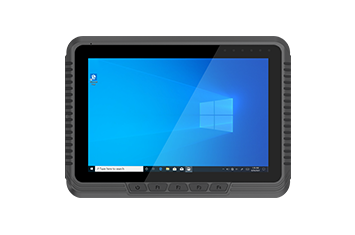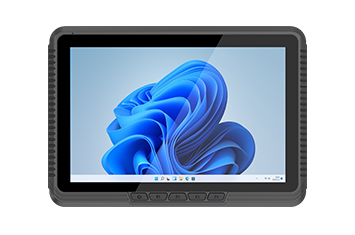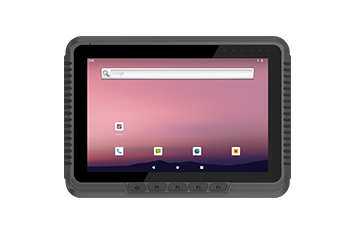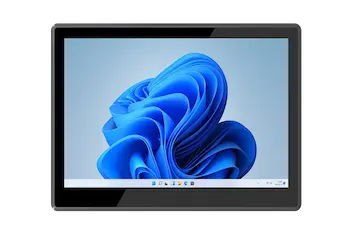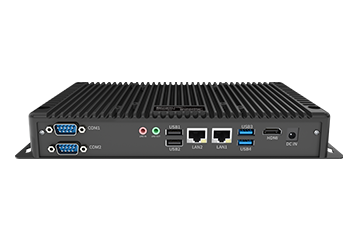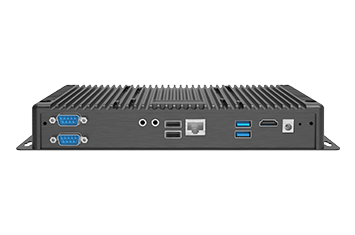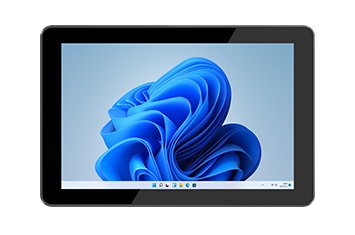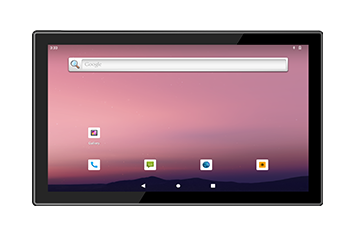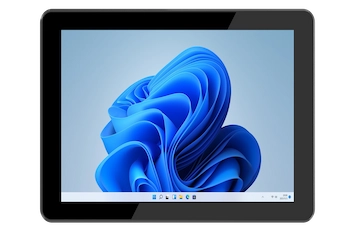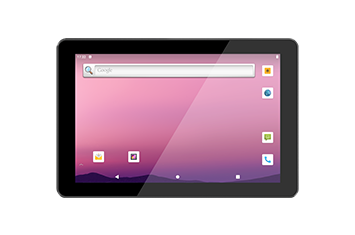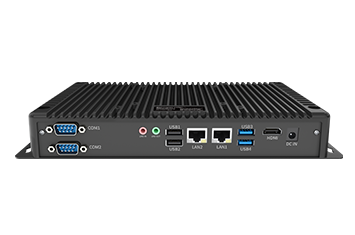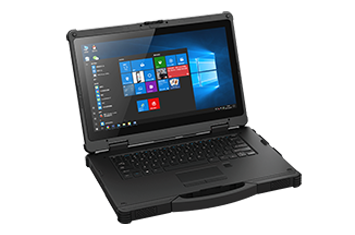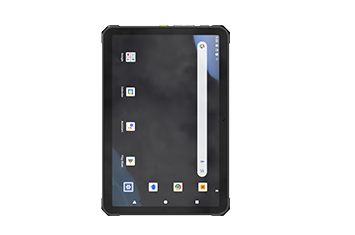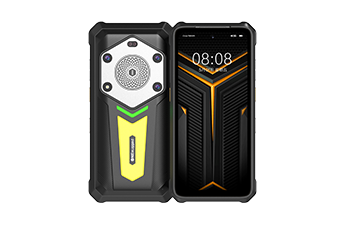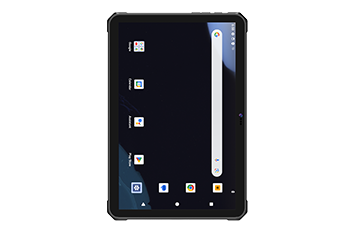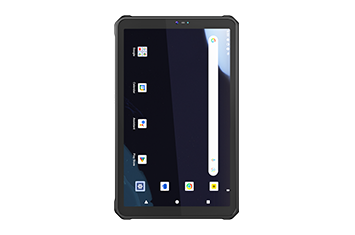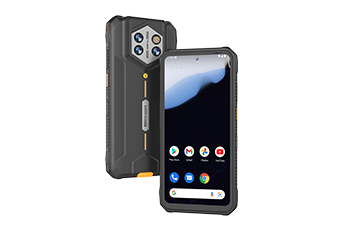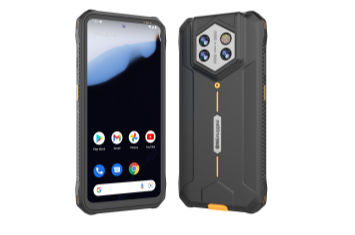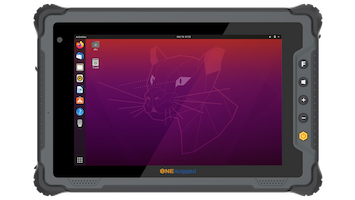

Deploying computing solutions into severe operational environments—such as warehouse automation, outdoor field inspection, or vehicle-mounted operations—requires hardware engineered for high resilience. Commercial off-the-shelf mobile devices often fail under thermal extremes, physical impacts, and prolonged vibration. Furthermore, standardized off-the-shelf industrial hardware may lack specialized enterprise interfaces, proprietary expansion modules, or targeted OS-level configurations needed for complex operational workflows.
For enterprise IT directors and solution architects, tailored custom rugged tablets provide an optimal path toward maximizing hardware efficiency and long-term deployment ROI. Through complete full-stack ODM (Original Design Manufacturer) customization—covering industrial design, structural engineering, hardware component selection, and OS-level provisioning—enterprises can build custom terminals tailored directly to their operational requirements.
Full-stack hardware customization goes beyond superficial branding modifications like logo silk-screening or custom asset tags. A complete ODM customization model restructures the hardware and software architecture of a device from the ground up to match specific industrial environments.
By engaging in end-to-end full customization, enterprise deployments benefit from tailored hardware adaptations, such as:
Structural & Physical Adaptation: Enclosures optimized for specific ingress protection ratings (IP65, IP67, IP68) or vibration resistance standards (MIL-STD-810G / MIL-STD-810H).
Targeted Hardware Integration: Tailored board-level integration of specific interfaces (e.g., RS232/RS485 serial ports, dual CAN-bus interfaces, specialized RJ45 network connectors, or dedicated RTK positioning modules).
Dedicated Data Capture Options: Native integration of high-performance 1D/2D barcode scanners, ultra-high frequency (UHF) RFID readers, or thermal imaging camera modules.
Operating System Tailoring: Factory-level kernel tuning, custom boot logos, locked-down kiosk modes, and native Over-The-Air (OTA) deployment profiles across Android, Windows, or Linux platforms.
To deliver tailored hardware at scale without costly engineering delays or quality bottlenecks, leading manufacturers employ structured product lifecycle models. ONERugged utilizes a four-dimension framework designed to ensure full transparency and quality control throughout the engineering process.
High-reliability hardware requires strict alignment across cross-functional engineering teams. By applying an Integrated Product Development (IPD) framework linked directly with a Product Lifecycle Management (PLM) system, every project milestone is managed transparently:
Requirement Categorization: Customer requests are evaluated and categorized into structured development tracks (Class A roadmap planning, Class B feature additions, or Class C deep modifications) right at initial project launch.
Gate Reviews: Strict Technical Reviews (TR1 through TR6) and Decision Checkpoints (CDCP, PDCP, ADCP, LDCP) govern transition between project phases, preventing design defects from reaching the assembly line.
Building a purpose-built industrial terminal follows five distinct development stages to guarantee operational reliability:
Project Initiation: Deep analysis of deployment environments and application needs to generate exact Requirement Specifications.
Engineering Validation Testing (EVT): Functional breakdown and initial engineering prototypes to validate board layout, thermal performance, and mechanical fit.
Design Validation Testing (DVT): Small-batch trial production dedicated to comprehensive environmental, drop, ingress, and global regulatory certification testing.
Pilot Production Validation (PVT): A controlled production batch (typically 500 units) to verify assembly line stability, fixture calibration, and yield rates.
Mass Production (MP): Full-scale manufacturing with standardized packaging, baseline testing, and global fulfillment.
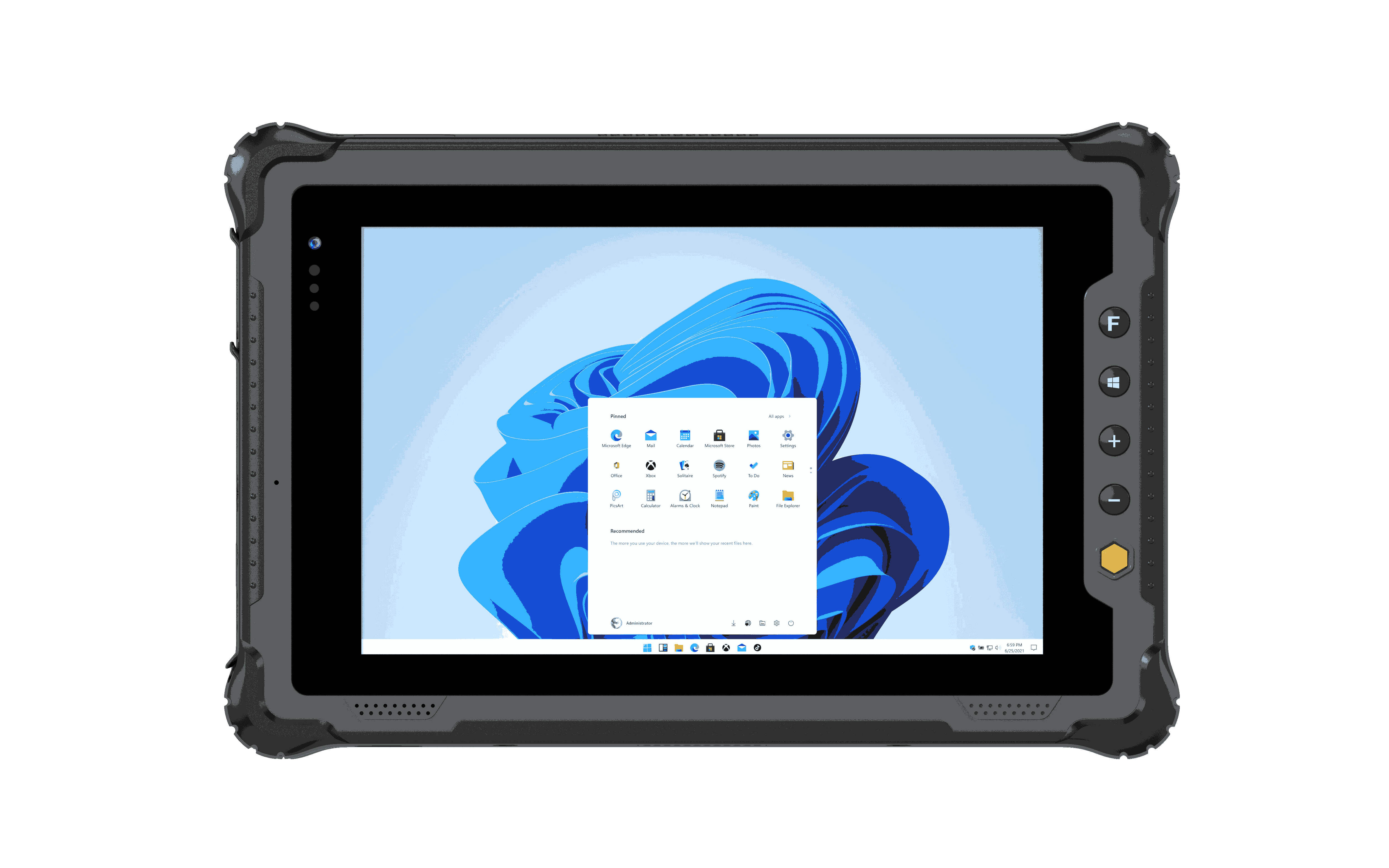
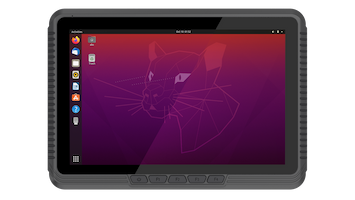
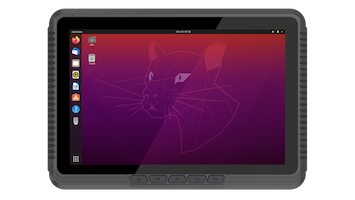
Understanding engineering lead times is critical for planning enterprise deployments. Below is a detailed timeline break-down based on standard ODM engineering milestones, using a dedicated vehicle-mounted tablet M10A-VDS as an example:
| Development Stage | Typical Duration | Core Deliverables & Key Activities |
| ID & MD Design | 3–4 Weeks | Industrial Design (ID) style definition, Mechanical Design (MD) modeling, and initial physical mock-ups. |
| EVT Prototype | 8–12 Weeks | Board spin, functional mock-up validation, and working EVT prototype sample creation. |
| DVT Prototype | 5–8 Weeks | Small-batch trial production, structural durability testing, and global regulatory certification testing. |
| PVT Stage | 4–8 Weeks | Initial 500-unit pilot manufacturing run, assembly line optimization, and large-scale rollout preparation. |
| Mass Production (MP / Repeat Order) | 8–12 Weeks | Full standardized production delivery and streamlined supply chain fulfillment for repeat volume orders. |
Note: Actual project lead times may vary based on functional complexity, specialized interface requirements, and certification scopes.
Selecting the right manufacturing partner for custom industrial computing involves evaluating technical infrastructure, supply chain relationships, and production capacity.
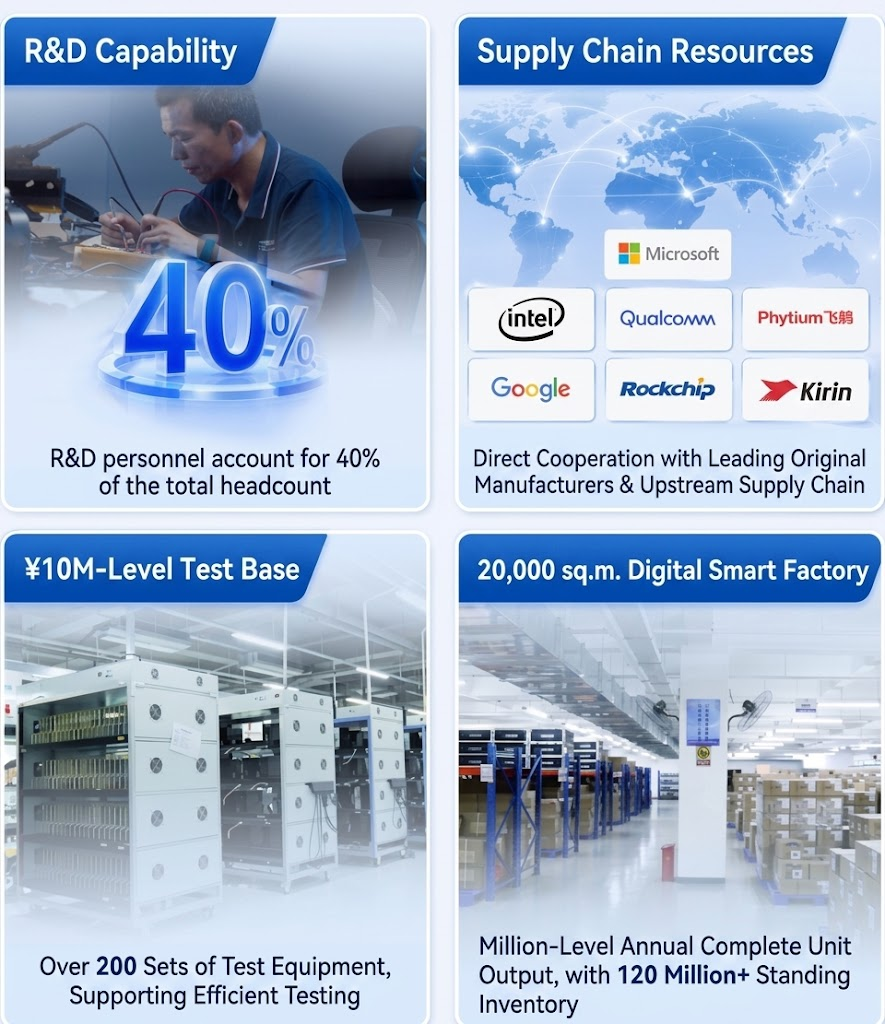
A high ratio of dedicated R&D personnel (with R&D engineering staff representing 40% of total workforce) allows for rapid response to non-standard hardware requests. Direct partnerships with top-tier silicon and OS vendors—including Intel, Qualcomm, Microsoft, Google, and Rockchip—ensure enterprise access to long-lifecycle chipsets and direct technical support.
Unlike rigid high-volume commercial production lines, specialized modification workshops cater to tailored production requirements. Dedicated production environments operating within smart manufacturing facilities (such as ONERugged's 20,000 m² smart factory) can achieve daily customized outputs of 400+ specialized units, bridging the gap between low-volume prototype flexibility and high-volume manufacturing capability.
Custom hardware deployed in harsh industrial environments must be backed by testing facilities. Comprehensive test bases featuring over 200 dedicated experimental test sets ensure custom hardware passes key international standards:
Environmental Ingress: IP65, IP67, and IP68 water and dust ingress protection.
Rugged Durability: MIL-STD-810G / MIL-STD-810H military-grade drop, shock, and vibration resistance.
Hazardous Environments: ATEX explosion-proof compliance for oil & gas or chemical processing applications.
Global Regulatory Certifications: CE, FCC, CCC, PSE, RoHS, CTA, SRRC, MSDS, UN38.3, and IEC 62133 battery safety compliance.
Customized industrial tablets and computing terminals deliver operational gains across targeted enterprise scenarios:
Customizing tablets with integrated long-range 2D barcode scanners, dedicated vehicle docks, and wide-range DC power inputs (9V–36V) enables uninterrupted mounting on forklifts and material handling equipment.
For field technicians in utility inspection or oil and gas, custom hardware configurations include high-brightness sunlight-readable screens (1000+ nits), hot-swappable dual battery setups, and integrated RTK high-precision GPS modules.
Factory floors require tailored computing interfaces for Human-Machine Interface (HMI) applications. Customizing terminals with dual RJ45 Gigabit Ethernet ports, isolated RS485 interfaces, and VESA or RAM mounting brackets ensures seamless integration into industrial automation racks.
A: Standard off-the-shelf tablets often include extra features you don't need or lack specific hardware ports required for your operations. An ODM custom solution tailors the outer casing, board interfaces, internal modules, and OS kernel directly to your specific application, eliminating unnecessary costs while ensuring complete hardware compatibility.
A: The Integrated Product Development (IPD) framework structures the project into clear, gated stages (EVT, DVT, PVT, MP) backed by PLM software. This ensures cross-functional reviews between R&D, testing, and production teams at every milestone, resolving engineering issues early and preventing unexpected delays during mass manufacturing.
A: Yes. Custom structural and circuit designs can be engineered to comply with specialized intrinsic safety standards, including ATEX certification for hazardous locations, as well as IP65/IP67/IP68 dust/water ingress and MIL-STD-810G rugged durability specs.
A: Full-stack OS customization is available across Windows, Android, and Linux platforms. Tailoring services include custom BIOS configurations, system branding, application whitelisting, kiosk lock-down modes, and specialized driver integration for custom hardware modules.
A: A full ODM project from preliminary ID/MD design through EVT, DVT, and PVT validation typically spans between 20 to 32 weeks, depending on hardware complexity, custom tooling requirements, and certification scopes. Volume re-orders post-launch follow a standard 8 to 12-week delivery cycle.
Deploying hardware built specifically for your enterprise operational environment minimizes downtime, simplifies IT management, and lowers total cost of ownership. ONERugged provides end-to-end full customization services—backed by a 20,000 m² smart factory, over 200 experimental test sets, and an experienced R&D engineering team.
Whether you need a specialized vehicle-mounted terminal, an ATEX-certified industrial tablet, or a custom Android/Windows handheld terminal, ONERugged delivers purpose-built hardware tailored to your exact specifications.
Contact our engineering solution architects today to review your custom hardware requirements or request a technical consultation.
Discover Onerugged’s rugged computing solutions, enterprise deployment services, industrial application cases, and customized mobility strategies for warehouse, manufacturing, logistics, and field operations.